6 Safety Tips for Driving to See Family During the Holidays
Key Takeaways
- To avoid any distraction while driving, keep your phone on Do Not Disturb, secure kids and pets, and avoid multitasking to stay focused.
- Before hitting the road, make sure to monitor weather conditions of your entire route and delay travel if severe weather is expected.
- Get your vehicle serviced before leaving for the trip.
- Leave early from your homes to reduce stress, avoid aggressive driving, and adapt better to changing traffic or road conditions.
- Drive defensively on the roads, which means staying alert, anticipating other drivers’ actions, maintaining safe distances, and avoiding confrontations.
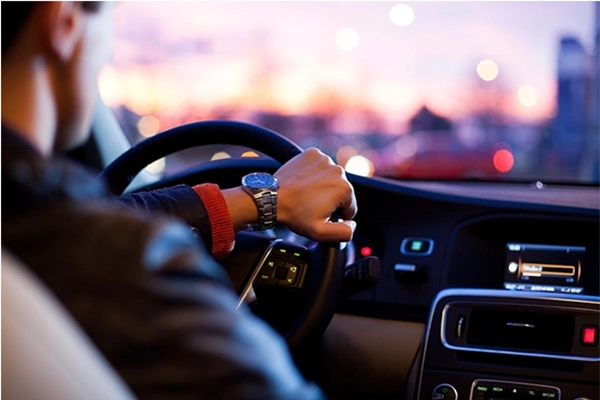
Excited for your next road trip? Why not? But do you know that over 112 million people hit the road in such holiday seasons (source: AAA), and accident rates also grew by up to 34% during this time? (source: Alex Law) Holidays come with a motive of bringing joy and warmth. But it can be ruined by your ignored risks.
We do not mean to scare you, but keeping you aware and informed is our duty. No, don’t even think of canceling your plans. All you have to do is take a few precautions, and your journey will be all safe. So here are a few questions to ask before buckling up your seatbelt.
- Is your car really ready for the road trip?
- Can you handle a snowstorm on the way?
- How are you going to stay alert while driving for a long time?
These questions will help you understand what you are missing out on. And not only these, but this article also has 6 essential safety tips for ensuring your safety and making your trip memorable for you on a good note.
Why Holiday Driving Can Be So Dangerous
Holidays bring a boost in traveling, which causes the risk of accidents to increase simultaneously. And it is proven too by the National Highway Traffic Safety Administration data, which shows how holidays bring an increase in road accidents due to speeding, impaired driving, and distracted behavior.
What I feel is that the major reasons for these accidents are people’s last-minute planning, crowded roads, and tight schedules. These things together lead to poor decision-making, which means starting risks long before driving. So, the accidents do not just depend on how one drives; how others behave also plays a major role in them. And by others, I mean winter conditions and traffic mishaps.
Now, by any chance, if you got yourself into an unfortunate incident during the travel, consult dedicated Criminal lawyers in Sydney or go to local legal professionals in your area for further guidance on how to proceed legally and protect your rights. Also, here are some helpful Tips for Handling Road Accidents to know what to do immediately after the situation.
Travel Risk Management during the Holidays
Planning is the first line of defense. So, start with a basic travel risk assessment, like knowing well about your route and looking for alternative ways in case of congestion, while scheduling breaks in between. Also, look for the hospitals, rest areas, and gas stations on the way.
If you are traveling in a group, use vehicle tracking apps to be aware of each other’s location, choose a GPS navigation app that gives real-time traffic updates, and don’t forget to share a trusted contact. Below are some more important tips to remember on your trip and while driving, too.
Stay Sharp and Avoid Distractions
One of the biggest reasons for increased accidents during the holidays is distracted driving. No matter what, whether you are replying to a text, munching on snacks, talking to passengers, or doing anything that takes your attention off the road is a risk. A few steps you can take to stay focused are
- Keep your phone on DND while driving.
- Set your FPS before starting the car
- Don’t do multitasking like taking a call or other delegated tasks
- If there are pets or kids in the car, keep them held protectively to avoid distractions.
Being sharp both mentally and physically is important for avoiding any type of risk. And for this, you have to take measures like taking breaks every couple of hours and avoiding driving while feeling fatigued or if the weather isn’t looking good.
Leave Early and Drive Steady
Another simple and effective tip is to leave early. Sounding weird? But no, it’s not. The extra time you will get by leaving early will help you avoid the panic of being late and prevent aggressive driving. With this, you will respond to the road hazards and sudden traffic changes better.
Moreover, don’t cross the road limits even if the vehicles around you zoom past them. Just keep in mind that it’s better to reach 30 minutes late than never.
Fun Fact
Christmas Eve is one of the busiest days for road travel, especially in urban areas, with traffic peaking between 2 PM and 6 PM. And leaving early really does pay off!
Weather Forecasting Before Going Out
Bad weather is a very common issue during the holiday seasons, especially in colder climates. It increases the chances of accidents due to its effects, like Rain, fog, snow, and icy roads.
To prevent such issues, check the full forecast of your whole route, including the destination. And if there are any chances for poor weather, follow these tips:
- If the weather is damn serious, delay your trip.
- Check if the windshield wipers, defrosters, and lights are working well or not.
- Make an emergency kit to keep in your car with essentials like blankets, water, flashlights, first aid, snacks, and tire chains.
Make sure to check road advisories for closures and hazardous zones because preparing for the weather beforehand can save hours of upcoming trouble and, at times, your life too.
Service Your Vehicle Before the Trip
Preventive maintenance is the key to a healthy trip. Though, it is a must to do a proper checkup of the vehicle. This thing will help you avoid having any breakdowns on the way. Here are some things to inspect before your trip
- Brakes and brake fluid
- Battery and alternator
- Tires (tread, pressure, and rotation)
- Oil and coolant capacity
- Windshield Wipers and fluid
Usually it’s common, but still, to remind you, don’t forget to fill the fuel tanks. A well-maintained car will not only run smoother but will also give you a safe journey.
Never Drink and Drive—Always Designate a Driver
I know holiday parties are for fun, but drinking and driving can never go well together. Believe it or not, but this is one of the fatal reasons for crashes during the holiday season.
The NHTSA reports have also reported that one person dies every 39 minutes in a drunk-driving crash in the U.S., and this rate increases significantly during the holidays. Still, if you have to have a drink, even if it is one or two drinks, hire a designated driver, call a rideshare, or stay overnight.
That “I feel fine” attitude can land you in danger because alcohol affects reaction time, judgment, and focus even after just a few shots. So it’s better not to take that risk with your or somebody else’s life. And make a plan before the party begins.
Drive Defensively, Not Just Carefully
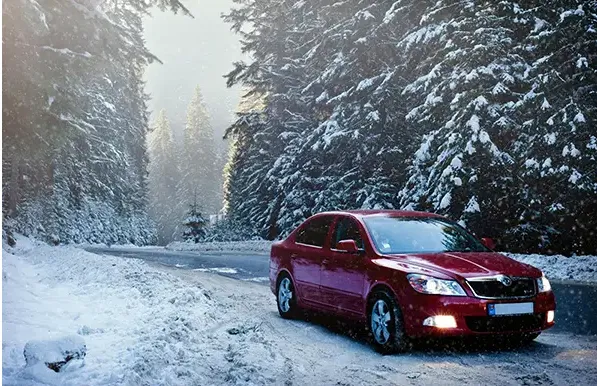
Being a careful driver is good, but being a defensive driver is even better. I will explain to you how. See, what defensive driving means is staying alert, anticipating potential threats, and always expecting the unexpected. And these things are what is most needed during road trips. For more on this mindset, check out Staying Aware Can Prevent Dangerous Situations While Driving. Some other tips for defensive driving include
- Keep a safe distance from the car ahead.
- Be extra careful at intersections.
- Keep checking mirrors to be aware of the surroundings.
- If somebody is driving recklessly, let them go ahead.
Now, we have talked about all the important safety tips in the article, with which you can travel safely to any of the destinations. So let’s wind it up with a golden thought: It’s not just your actions that keep you safe, but how you respond to other drivers matters equally. Happy journey!
FAQs
Ans: Early Morning is the right time to leave for trips because they are typically less congested and safer.
Ans: Yes. It becomes ever more important if the plan is for a long trip and in colder regions. The kit should have blankets, a flashlight, batteries, non-perishable snacks, water, jumper cables, and a phone charger.
Ans: It’s good to give at least a week before your travel date because the repairs may take time.
Ans: Try to stay far behind them and call for local authorities to report the vehicle. Also, do not try to stop or engage with them.
Ans: Of course, even a glance at your phone can double your risk of a crash. So it’s better to avoid it completely while driving.
Reference