What Every Citizen Should Know About Habeas Corpus
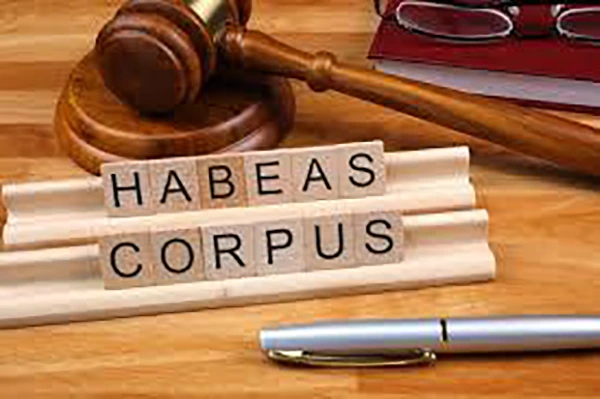
Imagine waking up to find your loved one detained without explanation. No phone call, no court date, just silence. Such moments demand more than outrage; they demand action rooted in a centuries-old legal protection: habeas corpus.
These legal rights force authorities to justify imprisonment before a judge, protecting individuals from arbitrary detention. Governments may shift, laws may change, but this rule remains a powerful shield for personal liberty. In an age where freedom hangs in the balance, every citizen holds a stake in defending this crucial safeguard. So, you should learn more about habeas corpus.
This article sheds light on how habeas corpus empowers the people, holds power to account, and ensures no one disappears without a voice.
The Right That Demands Answers
The law does not grant governments unchecked power to detain. When an authority locks someone away, the law must ask, “Why?” That’s the moment to take this right step. It allows a person, or someone on their behalf, to demand a court hearing. There, a judge reviews the reasons for the detention. If the authority fails to give a lawful reason, the judge orders immediate release.
This process works as a direct line between people and justice: no long delays, no hidden procedures. The judge must act fast because the law pushes for urgency, not silence. When enforced, this legal tool blocks secret arrests, abuse of power, and unjust imprisonment. It serves not just the accused but the entire public. When one person receives justice through it, society gets a reminder that no one stands above the law.
Power Under Scrutiny
Every official, no matter their rank, must answer when this right enters the courtroom. Police officers, government agents, and military commanders all must show legal grounds for holding someone. If they fail, the court holds them accountable. This demand for explanation leaves no space for unchecked control.
Even during moments of civil unrest, threats to national security, or major political shifts, these rights stand firm. Attempts to silence or delay it meet fierce legal resistance. It places the burden on the authority, not the individual. That reversal of power matters. It ensures that arrest does not equal guilt, and silence does not excuse wrongful detention.
In democratic societies, these rights shape the relationship between government and citizens. It makes clear that law enforcement must answer to the courts, and the courts must protect the people. Any breakdown in that system risks eroding public trust and weakening individual freedom.
A Tool for All People
This right does not favor status, wealth, or influence. Anyone, regardless of background, has access to it. Courts recognize its value as a universal safeguard, lawyers use it to fight wrongful arrests, and families turn to it when loved ones vanish into police custody. Civil rights groups treat it as a frontline defense.
Ordinary people remain its greatest guardians. When they speak up, question authority, and demand fairness, they keep this protection alive. Silence weakens it, but action keeps it sharp. The more citizens know and assert their rights, the harder it becomes for governments to act in secrecy.
It serves not only those wrongfully imprisoned but also those at risk. When people recognize this right as their own, they help build a culture of accountability. In that culture, public servants think twice before bending the law.
Education Shields Liberty
Many do not know this right exists until it’s too late. Silence around it serves those who abuse power. Schools, communities, and media play a role in spreading awareness. Every person who learns about this right gains a tool to defend freedom, not just their own, but that of others.
Teachers have the power to introduce this topic early, news outlets carry the responsibility of reporting when it is denied, families protect each other better when they know what steps to take, and public knowledge keeps this right alive. Without awareness, even the most substantial law risks falling into disuse.
When more citizens understand how to use this right, governments face stronger pressure to respect boundaries. Education turns passive observers into active defenders of liberty. In summary, when power forgets its limits, this right forces it to remember. It turns silence into speech, darkness into light, and fear into action.