The Web3 Builder: Aztec Amaya’s Journey from QuickSwap to Lunar Digital Assets
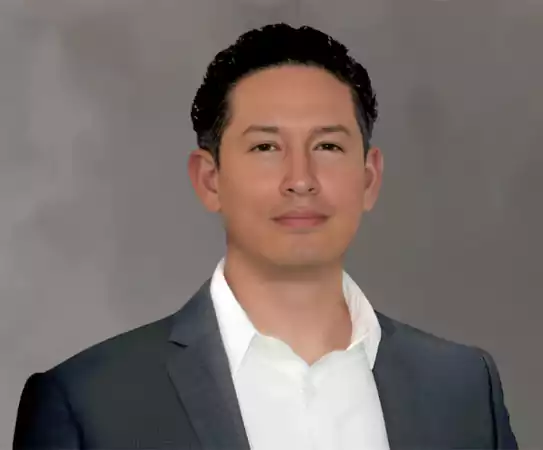
From a small-scale experiment, the Web3 industry has quickly become a global movement changing finance, technology, and digital ownership. Innovators who mix technical expertise with audacious ideas are defining the industry as decentralized platforms challenge traditional systems. Among those famous names is Aztec Amaya, a name now synonymous with inventiveness inside the Web3 world.
Having founded LitVM, Chief Strategy Officer at Lunar Digital Assets, and co-host of the renowned QuickSwap podcast The Aggregated, Aztec wears many hats and shines in every one. From helping Polygon come into being to bringing cutting-edge infrastructure to Litecoin, he has spearheaded the most important advancements in blockchain. He offers ideas regarding his achievements, the lessons learnt, and the future path of Web3 in this exclusive interview.
A Brief Introduction to Aztec Amaya
The name is Aztec Amaya; he identifies as a Web3 OG. He splits his time among three important positions at the moment: co-host of the famous Web3 podcast QuickSwap’s ‘The Aggregated,’ Chief Strategy Officer at Lunar Digital Assets, and creator of LitVM.
Every one of these roles is unique, enabling him to always learn and interact with several groups. Fostering a dynamic ecosystem for LTC holders looking for more use, LitVM is Litecoin’s first EVM Layer 2 chain. Conversely, Lunar Digital Assets (LDA) serves as a thorough blockchain development studio highlighting the most promising Web3 projects and helping them to reach their full potential.
He also sees himself as a crypto Key Opinion Leader (KOL), an interesting way for him to give back and analyze this intriguing area as the co-host of QuickSwap’s ‘The Aggregated’. He loves to tune in every Friday to connect with amazing communities and many of the industry leaders from several initiatives and ecosystems inside the Web3 scene.
What decisions or inventions did Amaya make that helped to transform Polygon and Quickswap into their current forms?
Looking back on the early days with QuickSwap and Polygon, it was definitely a brilliant time. LDA’s team concentrated on setting themselves apart from distractions and sharpening in on what was critical for the long-term vision.
Polygon’s early commitment to Ethereum compatibility was a crucial choice that greatly improved scalability while keeping very low fees. The rebranding from Matic to Polygon, though, the idea of which came from me, signaled the real turning point. This was more than merely a name change; it marked a move toward a much more ambitious vision meant to create Web3’s entrepreneurial growth and leading scalability stack.
With QuickSwap, a comparable story played out, highlighting execution and a thorough knowledge of the needs of the Polygon community. The launch coincided with the start of the first DeFi summer, and the strategic decision to debut on Polygon early was essential to take advantage of its low costs and quick transactions. QuickSwap used the AMM (Automated Market Maker) model and created strong liquidity incentives to draw in people and capital.
What lessons, according to Amaya, should businesspeople and builders venturing into the Web3 sphere keep in mind?
Particularly after seeing many projects come and go, this is a question that frequently comes to mind. For someone entering Web3, three important lessons should be kept in mind. First of all, confront a real problem; resist just following trends. Real issues call for solutions constantly; trends can change quickly. Second, the community comes first; should there be a lack of authenticity, they will rapidly see the facade. It goes beyond marketing; it entails frank conversation, engaged involvement, and sincere empowerment of first users.
Finally, from the beginning, security and sustainable design should be stressed. The tokenomics of the project must be meticulously designed for the future; smart contract audits are crucial. If it endangers the underlying components, don’t rush to launch. When least anticipated, these problems will invariably resurface.
Suggested Read:The Driving Force Behind Nelo Life: Founder Eric Allen