Instagram Soars Past 3 Billion Monthly Users, Solidifying Social Media Dominance
Instagram has done it again. Originally a basic photo-sharing tool in 2010, what began as such has developed into a digital powerhouse with 3 billion monthly active users. About 40% of the globe double-taps, scrolls, and swipes every month.
The obvious question is: how did it get here? Instagram’s talent for reinvention holds the key. Every time doubters forecast its demise, whether against Snapchat, TikTok, or YouTube, it has found a means of adjustment. Length of Instagram videos such as stories first came, followed by Reels, then a greater emphasis on messaging and personalization. Instagram has grown to be a one-stop entertainment, communication, and cultural center; it is not only pretty pictures of lattes or sunsets.
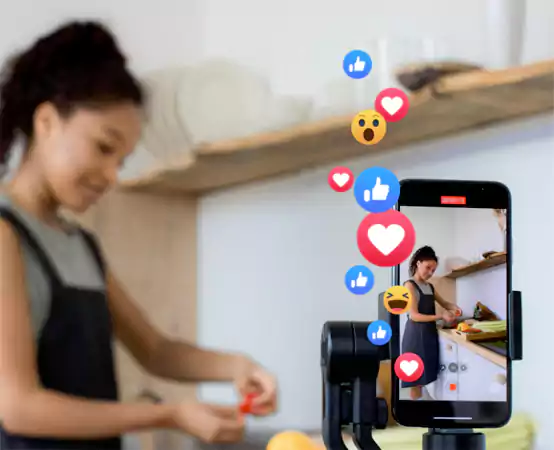
Short-form video is a major driving force behind this recent burst of expansion; it no longer reels. Reels, Meta’s reply to TikTok, have become difficult to disregard. It is a stage for creators with billions of eyes; for regular users, it is a rabbit hole of unending scrolling. Although the formula may not be unique, Instagram’s enormous reach helps several people who could never download TikTok make reels a habit.
Reaching 3 billion users is not only about attracting people; it’s about retaining their happiness. The platform is presently trying out instruments allowing users to limit which subjects appear in their feeds. This change appears to be Instagram acknowledging that control should be shared, rather than dictated, for users who often feel overwhelmed by the algorithm. With faster access to DMs and Reels, the navigation bar is also being changed. This is a change that mirrors how people actually use the app right now rather than a minor one.
Messaging friends and binging films are nowadays as vital as posting pictures ever was. Size brings responsibility: along with Instagram’s expansion will come increased focus on young people’s mental health, material quality, and data use. For the moment, however, the milestone is evident: Instagram is growing, changing how billions connect with the globe in 2025, and it is not fading.