Danel Zharmenova: Bridging Virtual Reality and Tangible Design in Interiors
Founder of Studio Danel, Danel Zharmenova, claims her early years’ interest in design and technology. Born in Kazakhstan, schooled in Switzerland and then in the United States, she brings a distinctive combination of creative education and business acumen. The modernist approach of her studio is noted for its precision-driven quality and its deft use of interactive techniques.
While studying interior design at Houston Community College (HCC), she came across a VR facility equipped with technology yet devoid of design-translation help. Deciding to bridge that gap, she trained herself to convert spatial ideas into virtual reality settings. That initial play developed into student seminars and, at last, the first VR-enabled interior-design portfolio display by the college. Her virtual reality boutique hotel project was She saw how visitors responded viscerally to the immersive setting displayed at the Glassell School of Art, which is under the direction of the Museum of Fine Arts, Houston.
Tools of the trade and evolution

Zharmenova uses programmes including Revit, SketchUp AR, Enscape, and Twinmotion in her work today. Through tablet, SketchUp AR lets customers see a design in-situ; Enscape gives real-time lighting, material and reflection vision; Twinmotion builds whole narrative visualisations including movement and ambience. These technologies represent a major improvement over 2018, when Zharmenova’s first VR work stood alone in an area devoid of defined procedures.
Award-winning innovation
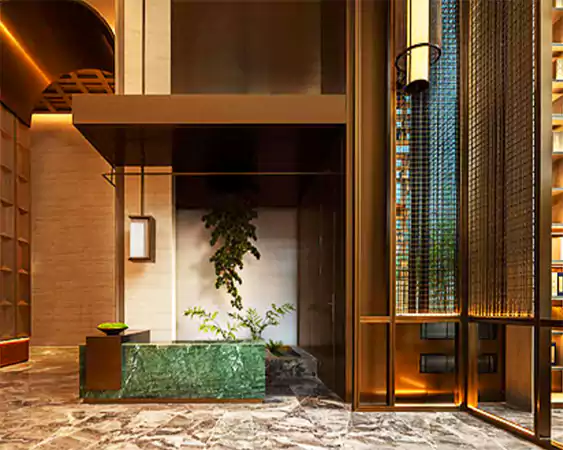
Her project OMG Burger, which received a Silver Award in the NY Architectural Design Awards for Interior Design- Restaurants & Cafés, demonstrates how creativity and technology combine. During the building-preparation stage, she employed real-time rendering and virtual reality so that customers could see the area before actual build-out. The judges noted the project’s combination of contemporary clarity and joyful pop-culture vitality. Zharmenova says the achievement validated that technology, driven by intention, enhances emotion and turns design into an experience.
Residential vs commercial design tech roles
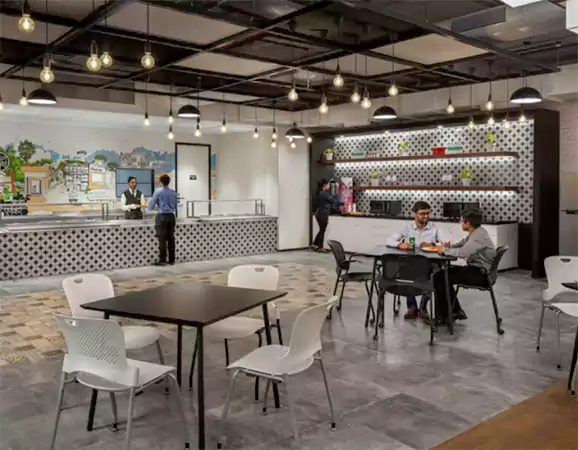
Danel Zharmenova says immersive technology’s purpose varies greatly depending on context. In residential projects the goal is personal: technology promotes comfort, daily living, and emotional resonance, assisting clients in seeing how they will live in the area. By contrast, commercial or hospitality projects call for narrative, brand identification, and coordination of many components. VR and cinematic equipment enable contractors, architects, and clients to match expectations and address problems prior to ground-breaking work in those situations.
Future of Artificial Intelligence in Design

Zharmenova views artificial intelligence (AI) as a ‘collaborator’ rather than a substitute for human imagination. Design is first and foremost about feeling, she notes, proportion, atmosphere, and meaning. Although artificial intelligence can help designers to test and imagine intuitively and speed the path from idea to image, it does not itself have a viewpoint. Over the following five years she hopes artificial intelligence will become as normal to the designer’s toolbox as drawing books or Photoshop formerly were.
Leading Studio Danel with dual perspective
Zharmenova claims her leadership style at Studio Danel results from the interaction of her Swiss business training and U.S. design experience. Discipline was brought from the background in Switzerland. and organization; the American side promoted innovation and independence. Through this double perspective, she can view every endeavor as both creative vision, strategic action and VR in business.
Charting the next frontier
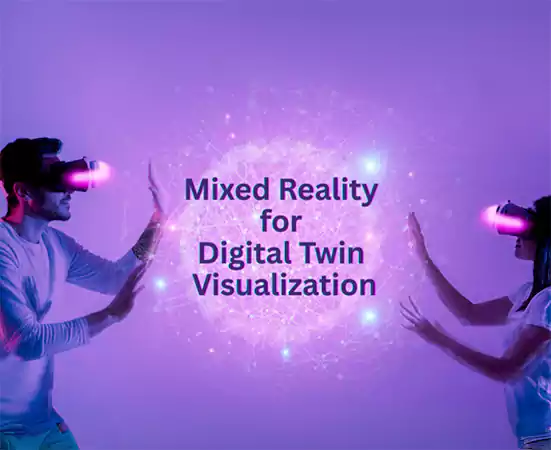
Looking forward, Zharmenova sees mixed reality and digital twin technologies as her studio’s next boundaries. She pictures actual locations and their digital counterparts For Studio Danel, co-existing means real-time response to presence, mood change, and fusing craft with coding. It is not merely using more technology is about utilizing it with more depth, emotion, memory, and significance. The ultimate goal is to design environments where people are moved, and where technology naturally fits within the impression of ‘being there.’