Dr Kirby Rosplock: New Ways to Teach Families About Wealth
Founder and CEO of Tamarind Learning (and Tamarind Partners), Dr Kirby Rosplock, is leading a new approach to how affluent families prepare for intergenerational wealth transfer.
Having grown up in an entrepreneurial family and with decades of advising experience in family offices, she noticed a major vacuum: many heirs are not ready to wisely manage their legacy.
Born from a profoundly personal and professional insight, Tamarind Learning is, Rosplock says. Growing up among family-business discussions around the dinner table, she went on to partner with ultra-wealthy families and family offices.
She observed over time that “while many families have great financial advisors, the growing generation usually lacks confidence and practical expertise.”
Her solution is a modular, on-demand educational system. Tamarind Learning’s ten-course signature ABS program is personalized using an AI-driven instrument named StewardAI.
First, evaluating the learner’s strengths and weaknesses, this tool then customizes the curriculum via real-world situations, reflective activities, and quizzes.
What Makes Tamarind Learning Different?
The learning style of Tamarind Learning distinguishes it from others. Rosplock calls it ‘multimodal’ since it combines technology, applied reflection, and self-paced homework.
A dashboard for trustees, advisors, and organizations to follow development is also available on the site. She says that this openness enables families to believe that recipients are really growing abilities, not merely acquiring theoretical information.
Her analysis is supported by macro trends. According to Rosplock, between US$83 and $84 trillion is expected to shift hands over the next 20–25 years, mostly in the Americas.
Significantly, the first chunk of this transfer will often be horizontal, between spouses, because women statistically outlive men by six to seven years. Without structured education, wealth handovers risk becoming fragile
Why Education Matters More Than Advice?
Kirby Rosplock contends that conventional counsel and governance systems only go so far. Heirs need a mental model of how trusts, fiduciary responsibility, and financial planning operate in order to make decisions about them.
Research from family-office analysis companies indicates that although governance is frequently formalised, educational support is still informal or underfunded, even though it is essential for long-term family resiliency. By combining emotional, social, and technical learning, Tamarind Learning’s curriculum links those dots.
Addressing Common Blind Spots

One often occurring issue many next-generation inheritors miss fundamental financial and governance ideas; trust language, risk exposure, consultant roles, and board dynamics. Rosplock sees this.
Learners become fluent in these topics via the Accredited Beneficiary Stewardship (ABS) program, and advisors may help them through directed reflections or cohort-based learning. The first diagnosis guides every person along a tailored path, aimed specifically at the confidence-lacking areas.
Technology’s Role in Family Office Innovation

According to Rosplock, family offices are behind for a change in their approach to education. She sees unified education systems incorporated into the financial structure of the family rather than sporadic seminars.
Further adaptive artificial intelligence, enterprise-level analytics, and a more profound connection with other wealth-tech instruments are on the platform’s roadmaps. Education ought to be as essential to a family office as legacy planning or investment reporting, she believes.
Measuring True Effects
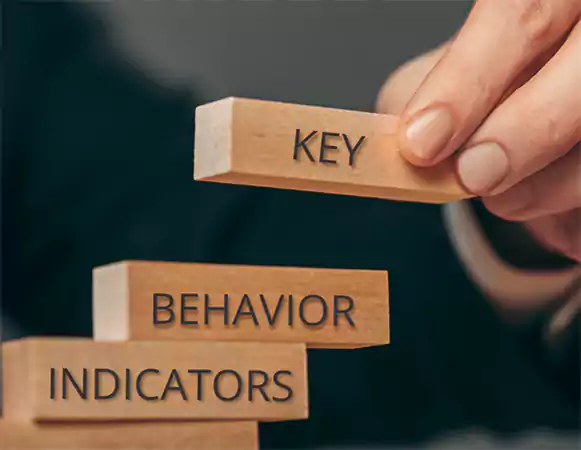
Advisors can examine behavioral indicators, such as the quality of inquiries made by beneficiaries in meetings, as well as quiz performance and finished reflections. While institutions monitor participation as a driving force of retention and alignment, families use readiness rubrics to assess individual preparation for jobs.
Read Also: The Conscious Path to Lasting Joy: Tetiana Dunaievska on Managing Happiness
The Future Path

She sees the most permanent wealth-owning households of the future as ‘learning organizations.’ These families will unify governance, succession, and education, therefore matching purpose and structure.Rosplock thinks her platform offers not only a service but also a mission to prepare inheritors to manage wealth purposefully, matching financial capital with social, human, and intellectual capital, as most multigenerational wealth is still to be transferred.