Redefining IT Operations and AI Chatbots: Strategic Insights from Guruprasad Marathe
Guruprasad Marathe, Principal Solution Architect and Lead Software Engineer, is already changing the way companies of the era think about the digital workplace and IT operations. He has the experience of more than 14 years in the field, and the combination of his strategic vision and excellent technical knowledge helps him to lead projects, where he applies automation, artificial intelligence (AI), and proactive IT systems to reduce costs and improve the quality of service. His work goes from automation solutions to AI-powered chatbots that have a direct impact on employee engagement and business productivity.
Humble Beginnings and Career Growth
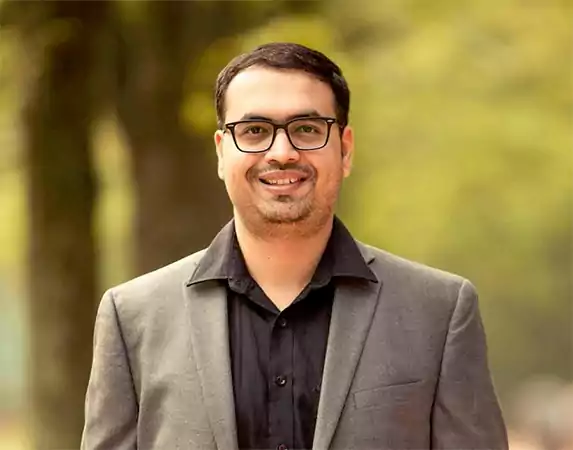
Guruprasad Marathe, who was born in Sirsi, Karnataka, lived a life of limited resources during his formative years, but these were the opportunities that he managed to grab through scholarships. It was these early experiences that made him a tough and curious person; later, such qualities became his profession. Starting from very basic positions in the software engineering and support areas, he eventually became a solution architect and a leader, distinguishing himself with his dual contribution to mainstream and groundbreaking technology. His projects range from the deployment of conversational AI and cloud solutions to enterprise-wide automation, which is targeted at solving real business problems.
Chatbots as Agents of Workplace Transformation
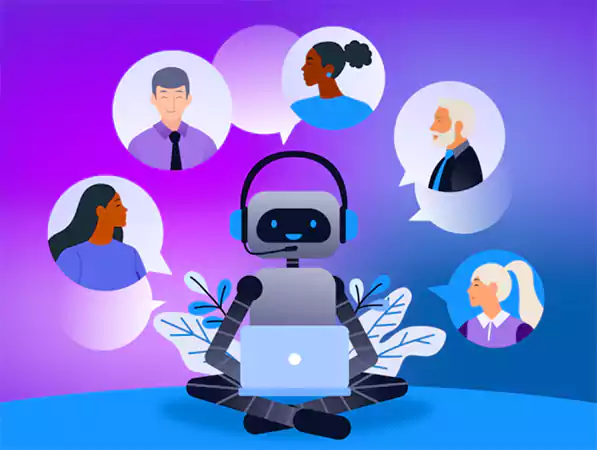
Marathe says that AI-powered chatbots have not just been a little scripted interaction but have become very important tools that help in the simplification of IT and HR tasks. Organizations can now automate repetitive tasks, improve user participation, and up to a great extent, improve the service quality of both internal staff and external customers by having a conversational artificial intelligence feature as part of the business process.
In the case of internal operations, the use of chatbots has become a certain aspect of managing software licenses as they remind the employees to self-confirm usage and start automating unspecified actions to remove the licenses that are not used. This automation has not only made the processes efficient but also ensured that the company’s software assets are always at the best utilization, thus reducing unnecessary costs.
These developments allow new and departing employees to get a quick and smooth process, respond to employee questions, and share customized and up-to-date information regarding the company policy. This is a customer-oriented approach that is in line with a more general trend across the industry of artificial intelligence systems becoming the 24/7 assistants providing easy chat and better accessibility over all employee touchpoints.
Proactive Device Health and Workforce Productivity
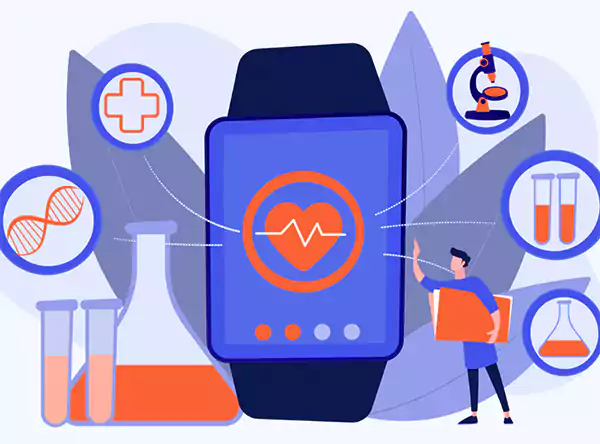
The My Device Health project, which is a very innovative example of proactive operations under Marathe’s guidance, is one of the creative cases. This project is based on the assessment of device performance through predictive monitoring and includes automatic fixes, such as cache cleaning or service restarts, for the issues to be resolved before they even reach the users, by evaluating criteria like network responsiveness and system speed.
This strategy of foreseeing not only helps to increase the productivity of positions where system uptime is crucial, such as customer support agents, but also reduces the number of on-site technical support needed. These productivity gains immediately turn into savings for the company while also making sure that there is more continuity in the work.
Forward-Looking Perspective on Digital Experience

Digital technologies are coming to the full service of mankind, and no more operator’ monitoring, organizing, and problem-solving systems are going to be needed. Marathe’s visionary dream is the architecture of the future that carries on the listening for events, handles the stakeholders’ communication and even takes corrective actions all by itself. He thinks that achieving the balance between automation and smart responsiveness will be necessary for the next stage of business transformation.
Read Next: Orbisk CEO Anastasia Dellis on AI Automation’s Role in Halving Kitchen Food Waste