Why DIY Skills Are Essential For New Real Estate Investor
Investing in real estate is a sound investment strategy. Housing will always be in demand, and while the price of housing may fall, it often recovers at a faster rate than it falls.
Despite the above statements, none of the comments made in the preceding paragraphs were necessarily “bad advice”. Real Estate is a tangible asset, and even if something were to go wrong with your investment and you didn’t recover what you invested. You might still have an opportunity to earn money from your investment, which would help to offset any losses.
Every homeowner or tenant needs to have their own tool kit around the house. When you decide to invest in property you do not want to forget how to utilize your tools.
If you have only created something as easy as painted walls or shelves in your home in the past, then your DIY experience will place you in a good position with future investments into property.
KEY TAKEAWAYS
- Handling basic repairs yourself can save thousands on high hourly contractor rates.
- Strategic DIY projects inside and out directly increase a property’s market resale value.
- DIY knowledge allows you to accurately estimate repair costs and prevent contractor overcharging.
It Can Save You a Lot of Money
Hiring professionals to renovate your investment property can be a good idea. It can save time, for one, and makes sure you have the freedom to focus on other things.
Before buying an investment property, take time to consider how much money it will require to get it ready to be sold or rented again.
Indeed, say you have got creaking or leaky pipes in the upstairs bathroom? Your first thought will be to call a plumber to get the issue investigated. And you can do that – but you don’t have to hire them to get the full job done.
The average charge for most plumbers is around $200 per hour and the total number of hours of plumbing required for the entire house could add up to between 10 and 20 hours, depending on how many questions or issues you have. This means that plumbing repairs will be one of the biggest expenses during the first few years of your real estate career.
There’s Work to Do, Inside and Out
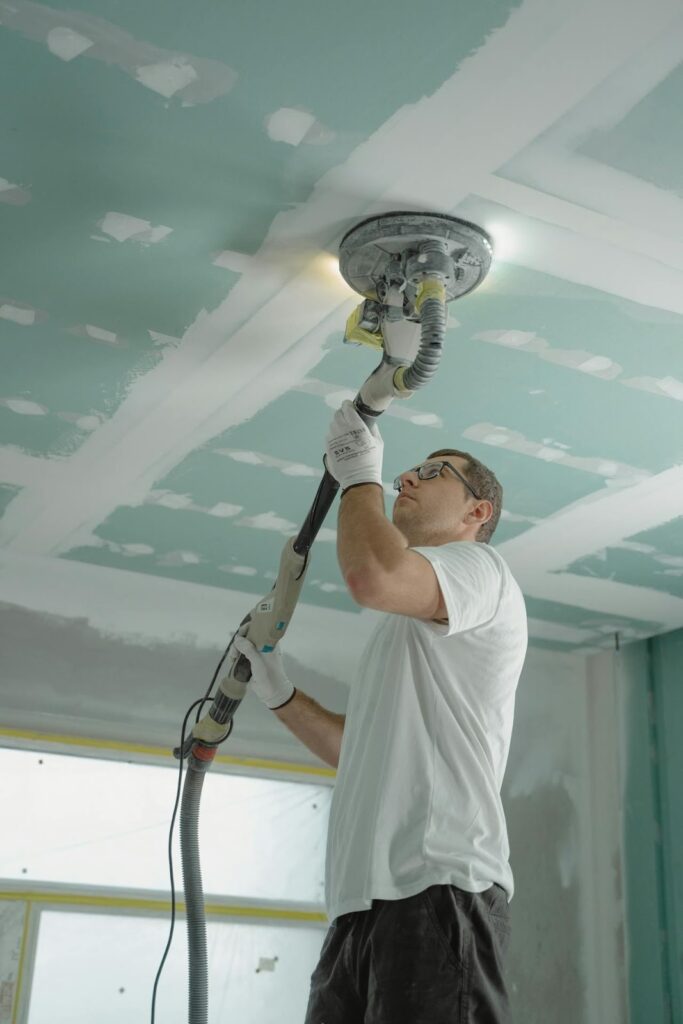
When purchasing an investment property, it is important to understand that, unlike the typical home buyer who buys a home, closes the deal, and puts the property back on the market with a new price tag, as an investor you must add value to the property before bringing it back to the market, whether to sell or to lease.
And most properties do need work done, both inside and out. The exterior could do with a curb appeal upgrade, and the interior demands a redesign to suit the needs of the buyers you are targeting.
So, why is this all a concern when it comes to DIY?
The better you are at DIY, and the more confident you feel with the DIY skills, the more work you can get done yourself.
It is possible to lose a large part of your return on an investment if you are required to call in multiple contractors. If you have jobs needing attention inside and outside the property, you can expect to incur more significant expenses for repairs over the long term.
But with a knowledge of DIY, you can tackle jobs across the board.
If you’re comfortable taking control of an adjustable wrench, you could re-do the sink u-bend yourself. If you are able to use an electric pole saw yourself, you’re unlikely to need a tree surgeon to trim back the deadwood and overgrown canopy.
All in all, with a proficiency of DIY skills, you really can be a cost-savvy jack of all trades.
DIY Can Prevent Hasty Market Moves
Investing in your first property might light a fire under you. You have got a taste for the real estate market now, and you want to build your portfolio as fast as possible.
This can be a pretty disastrous turn of events, however. You can make some questionable investment decisions when you’re feeling excited about the prospect!
But if you might be working on your property yourself, your focus is elsewhere. That slows you down and keeps you in the green.
You’ll Learn a Lot
All of this DIY work adds up. While it might feel like you are doing nothing but spending time fixing things, unscrewing bolts, reworking the wiring, and trying to avoid a flood in the bathroom, you are actually learning on the job.
You’re picking up the kind of skills that every homeowner wishes they had, and later on, you’re going to make a pretty good profit off of them too.
This is invaluable experience to have as someone in the property market. And not only because it’ll simplify your renovation next time.
Knowing how everything works in real estate will help you make better choices about hiring contractors and understanding what their prices mean. This can make the difference between making a good investment or making a bad one.
Real Estate Investor? Flex Your DIY Muscles More Often
Starting your career in real estate means you should learn to do things yourself. It will not only save you a lot of money but will eliminate the need to depend on anyone else.
In fact, most of the job that you are going to do is going to be things you can do yourself. Only about 10% of the total work will be jobs that only professionals can do.
So by doing these jobs yourself, you will yield a higher return on your investment.
Then when you sell the property or find the perfect tenant for it, you will have gained enough knowledge to make your next real estate venture ten times easier.
Ans: Yes, small cosmetic fixes like painting and landscaping offer some of the highest returns on investment.
Ans: A basic kit should include a power drill, adjustable wrenches, a level, and a multi-tool.
Ans: Novice investors can save 30% to 50% on renovation costs by doing non-structural work themselves.