Akbar Lakhani Leads Major Infrastructure Overhaul with Advanced Cybersecurity
The Director of Information Technology for a worldwide alternative investment company explained through an in-depth interview how he develops his organization’s technological framework through three main elements, which include innovation planning, cybersecurity proficiency, and future-focused executive management.
Akbar Lakhani developed his professional path through academic studies and over 15 years of work experience, which enabled him to develop skills in team management, cybercrime prevention methods, and future IT industry developments.
Uniting Strategy With Technology Leadership
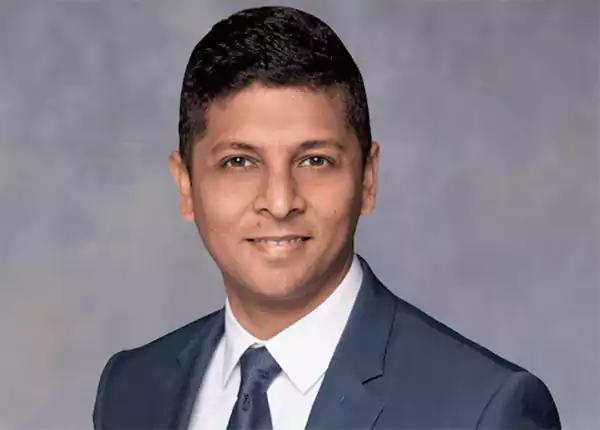
The dual academic foundation of Akbar Lakhani, which includes a Master of Business Administration and a Master of Science in Information Technology, serves him as more than just a résumé highlight. Lakhani applies his business strategy knowledge together with his deep technical expertise to handle engineering teams, which he uses to accomplish technology objectives that support organizational goals.
Lakhani believes that IT leaders must acquire two essential skills, which include enterprise-level budgeting and risk assessment techniques, and cross-departmental teamwork abilities. The executive leadership discussions become more productive through this mindset, which he uses to present technical options that improve system security while creating advantages for the business
Rebuilding With Purpose: The Infrastructure Initiative

Lakhani described his primary infrastructure project as a human and culture-based effort that used technological resources. The project began when the organization established its core IT team, which included top engineers who built collaborative partnerships between research, security, and infrastructure departments. The team established a new work process that allowed team members to share accountability for completing their tasks.
The transformation process used three technical components, which helped achieve its objectives of performance enhancement, system durability, and cost-effective service delivery. The team developed a new IT infrastructure for the company by implementing current technological solutions and modern architectural designs, which enhanced their ability to respond to operational needs.
The company achieved cost savings in service delivery through resource allocation assessment, vendor contract negotiations, and software licensing optimization. The project needed a complete cybersecurity plan that protected all company operations. Lakhani developed a new security system through system redesign, which included risk management solutions that protect operations against changing threat scenarios.
Artificial Intelligence’s Expanding Role in Security
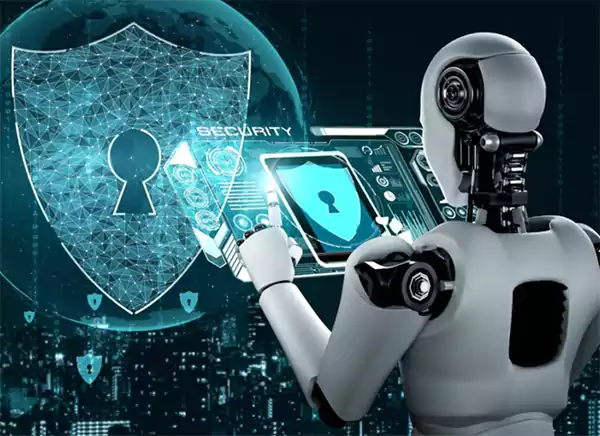
Lakhani has written and spoken about the growing impact of artificial intelligence and machine learning (ML) in cybersecurity, an area where he sees both promise and challenge. In his view, AI brings remarkable abilities to find patterns and detect unusual behavior that exceed the capabilities of manual systems. The technologies enable organizations to identify phishing attempts and malware attacks, together with all other types of harmful activities, as they happen.
Lakhani warns that AI technology develops at such a rapid pace that security teams need to create new strategies to handle these changes. The threat actors now use artificial intelligence, so security defenders need to develop their data-based defense systems, which will help them maintain an advantage over their opponents. He made it clear that technology needs to be accompanied by thorough cybersecurity education for all staff members because human mistakes remain the primary reason for security breaches.
Looking Ahead: IT’s Opportunities and Obstacles
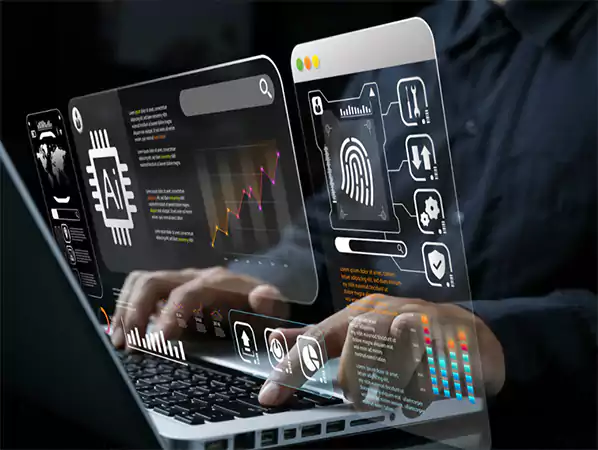
Lakhani approached his response to information technology future predictions by using both optimistic and realistic perspectives. He expects that artificial intelligence and machine learning technologies will continue to transform business operations throughout multiple sectors, including financial services, healthcare, and educational institutions. Organizations need to establish stronger security measures because the new technology developments increase their cybersecurity threats, while they must maintain their focus on protecting customer information.
Lakhani sees collaborative approaches across teams and industries as essential for meeting future challenges. The IT ecosystem achieves protection from cybersecurity threats while driving innovation forward through its proactive strategies and ethical technology implementation, which maintains public confidence in the digital world.