How to Choose the Right BLDC Motor for Multirotor Drones in Industrial Inspection
Compromises are not tolerated in industrial inspection work. The motor is not just a part that spins a propeller when a multirotor is operating close to high-voltage lines or holding position against gusts while scanning vital infrastructure.
It is the foundation that determines whether the mission is completed safely or if the operator is constantly battling the aircraft, draining batteries, and gathering useless data.
Through this blog post, we are going to look at some crucial aspects of BLD motors that determine whether a platform can hold position consistently for eighteen minutes or drift and land early.
Let’s begin!
Key Takeaways
- Understanding everything about the inspection operating window
- Looking at the matching motors for scenarios
- Decoding the reality of system integration
- Uncovering when quality actually shows up
The Industrial Inspection Operating Window
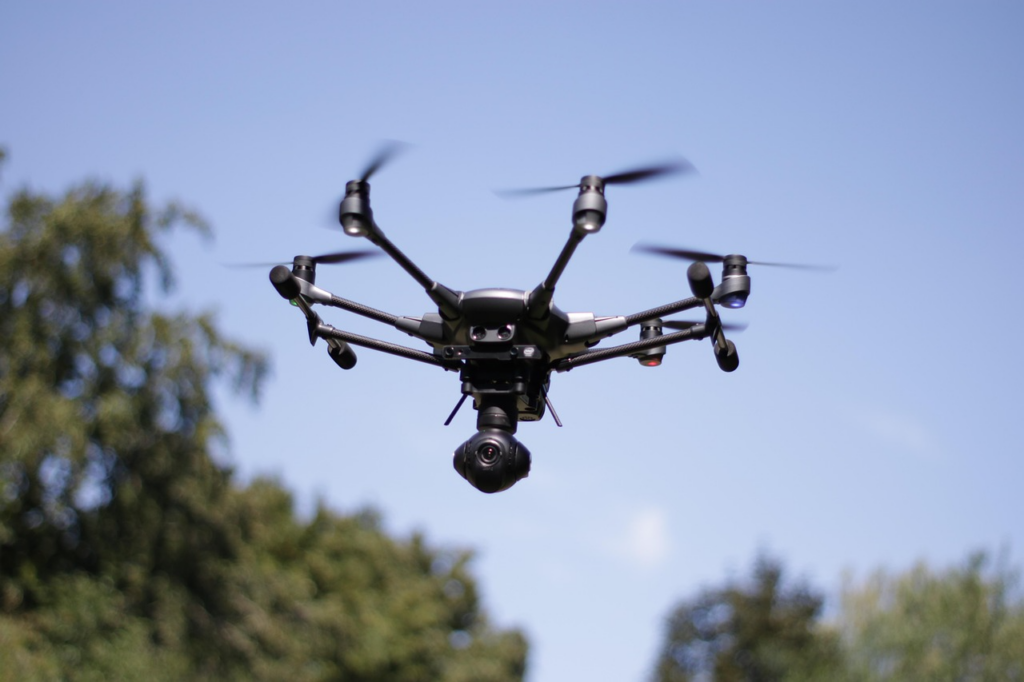
Other multirotor applications are fundamentally different from inspection flying. You’re not racing through gates or making fast, aggressive movements. You’re holding steady positions, sometimes for minutes at a time, while sensors collect data. Moving slowly along structures. Maintaining precise standoff distances. Operating in environments where a sudden drift toward equipment could mean catastrophic consequences.
This creates specific motor requirements that don’t show up in racing or photography platforms. You need enough throttle response to handle wind gusts and position corrections without feeling sluggish. But you also need efficiency at the 40-60% throttle range where inspection platforms spend most of their time.
Too much BLDC motor, and you’re burning energy fighting your own overpowered setup. Too little, and you’re riding near max throttle constantly, with no reserves for wind or emergency maneuvering.
Interesting Facts
A ratio of 1.5:1 to 2:1 is recommended. This provides enough power for stable flight and redundancy, while ensuring maximum energy efficiency compared to high-performance/racing TWRs (5:1+).
The Sweet Spot: 320KV
A 320KV BLDC motor on a 6-8 kilogram inspection platform with 20-inch props sits in a sweet spot. It provides adequate thrust authority—typically 4-5 kilograms per motor—while operating in an efficiency range that supports 15-20 minute missions with standard battery configurations. The motor isn’t screaming. It’s working steadily, which translates to cooler temperatures, less vibration, and more consistent performance across the flight envelope.
Push that same platform with 600KV brushless motors, and the efficiency curve collapses. Smaller props are required to prevent overloading, which reduces effectiveness. The motors are hotter. spikes in battery draw. What should be an 18-minute inspection becomes 11 minutes, and suddenly you need battery swaps mid-mission or can’t complete survey patterns in single flights.
Why Disc-Type Design Matters
Traditional bell-type motors concentrate their windings and magnets within a cylindrical geometry. Disc-type motor designs, by contrast, distribute the magnetic field across a flatter, wider surface area.
For inspection platforms, this matters. A disc motor with a 52mm stator diameter and relatively thin profile—8 to 10mm—delivers high torque in a lightweight, aerodynamically clean package. The wider stator provides more magnetic interaction area, which translates to better torque characteristics at the lower RPM ranges where large props operate most efficiently.
The thermal characteristics also improve. Disc motors typically have better surface area for cooling relative to their mass, which means they handle sustained loads without cooking themselves. In inspection work where you might be hovering at 60% throttle for eight minutes straight, thermal management isn’t an academic concern. It’s the difference between completing the mission or watching efficiency degrade as the motors heat up and draw progressively more current to maintain the same thrust.
Matching Motors to Real Inspection Scenarios
Now, after understanding the complete framework of the disc motor and its best utility function, we are going to explore the matching motor option that can be used according to various scale factors.
Pipeline Inspection (6-8kg)
Pipeline inspection platforms typically operate in the 6-8 kilogram range fully equipped. You’ve got thermal cameras, possibly gas sensors, enough battery for extended missions, and redundant systems for safety compliance. A 300-320KV BLDC motor with 20-inch props handles this efficiently.
The platform has enough throttle authority to punch through wind when moving between inspection points but settles into stable, efficient hover when you need to hold position while sensors work.
Tower Inspection (7-10kg)
Tower and vertical infrastructure inspection often requires slightly more aggressive flight characteristics. You’re climbing, descending, moving around obstacles. Platforms in the 7-10 kilogram range with higher-resolution cameras and positioning systems benefit from motors in the 330-400KV range.
You get more dynamic response without sacrificing the efficiency needed for 15-18 minute missions. The motor has enough headroom to handle gusts at altitude while still operating well below thermal limits during normal flight.

The System Integration Reality
Motors don’t operate in isolation. In inspection platforms, ESC selection matters as much as motor choice.
In real inspection flights:
- Peak ratings don’t matter as much as continuous current.
- In budget components in particular, ESC thermal limits are frequently overly optimistic.
- Inadequate headroom causes premature failure or thermal limiting.
A 320KV brushless motor under inspection loads typically draws 35–40 amps continuously, with short peaks up to 55–60 amps during aggressive maneuvering. An ESC labeled “60A” but only capable of sustaining 45A continuous will eventually thermal-limit under these conditions.
Why 6S Makes Sense
Battery configuration affects everything. Most inspection platforms in this weight class run 4S or 6S configurations. With 300-400KV motors, 6S provides excellent efficiency and throttle authority with common propeller sizes.
The higher voltage reduces current draw for equivalent power, which means less resistive loss in wiring and ESCs, cooler operation, and better battery utilization. Some teams run 4S to reduce weight or cost, but efficiency typically suffers enough that flight time gains from lighter batteries get offset by worse motor efficiency.
When Quality Actually Shows Up
Industrial inspection platforms aren’t hobbyist builds. They’re commercial tools that need to perform reliably across dozens or hundreds of missions. Motor quality determines whether that happens or whether you’re constantly troubleshooting performance degradation.
Three Critical Quality Indicators
The top three critical quality indicators include:
Bearing Quality
Inspection platforms spend long periods hovering, which places continuous radial load on motor bearings. Low-quality bearings often begin to develop play after 30–50 flights, leading to noticeable vibration, inconsistent motor performance, and unexpected increases in battery consumption.
High-quality bearings—properly sealed against dust and moisture—maintain tight tolerances over hundreds of flight hours, preserving smooth operation and consistent efficiency throughout the platform’s service life.
Magnet Retention
A motor may be well balanced when new, but if it relies on inferior magnet adhesives, vibration and thermal cycling will gradually weaken the bond. As retention degrades, imbalance develops over time.
Winding Quality
Industrial inspection platforms often operate in harsh environments—temperature extremes, high humidity, and airborne dust are common. Motors built with high-quality insulation and proper winding impregnation maintain efficiency and resist short circuits or internal degradation over time.
Lower-quality motors may bench-test well initially and perform reliably for the first few dozen flights, only to begin drawing higher current and running hot without obvious cause. This is typically a sign of winding degradation, and once it appears, efficiency and reliability decline rapidly.
Making the Right Choice
For platforms in the 6-8 kilogram range doing pipeline, tank, or infrastructure inspection, BLDC motors for multirotor drones in the 300-320KV range deliver the efficiency and stability needed for professional operations. You get 15-20 minute missions with standard battery configurations, enough throttle authority for wind and positioning, and sustainable thermal performance.
With increasingly rigorous inspection requirements—tower work, intricate structures, and heavier payloads—330–400KV motors offer the extra performance headroom these platforms need while still operating efficiently within the 8–10 kg range.
Instead of focusing only on peak thrust numbers, pay attention to actual continuous current ratings. A motor rated for 35-40A continuous operation is fundamentally different from one that can only sustain 25A, even if peak specs look similar. Continuous ratings tell you what the motor can actually deliver during real missions.
The truth? Motor selection is maybe 15% of your platform budget but determines 60% of your operational success. You can work around adequate cameras or acceptable flight controllers. You cannot work around motors that aren’t fundamentally matched to your weight, efficiency, and reliability requirements.
Get them right, and the platform does what you need. Get them wrong, and you’ll spend months fighting performance issues that all trace back to a motor choice that was never going to work for inspection missions.