Beyond RUFADAA: Dmytro Lyushenko on the Necessity of Harmonized Digital Heritage Standards
The legal researcher Dmytro Lyushenko advocates for a new approach to handling digital assets, which requires a complete transformation of existing legal frameworks that govern digital ownership. Lyushenko defines digital heritage through his research, which establishes this concept as a collection of digital assets and data that maintain legal value beyond a person’s death.
The definition of digital heritage includes all personal digital materials that people create through their online activities, including email records, social media accounts, and digital agreements. For Lyushenko, digital heritage serves as an academic concept that enables lawyers to examine traditional legal systems through a new perspective.
He believes that existing legal systems operate under physical property rules, but they need to evolve faster because digital assets exist outside physical dimensions. The United States uses laws such as the Revised Uniform Fiduciary Access to Digital Assets Act RUFADAA to grant digital asset access rights to fiduciaries. However, platform-specific policies create practical barriers that prevent heirs from using their digital asset rights.
Why Existing Regulation Falls Short

According to Lyushenko, the national framework of RUFADAA operates only as a partial solution that forms one section within a much wider problem. Traditional estate law systems encounter their first failure because people who die without digital assets tend to own property stored on platforms that operate outside the estate’s jurisdiction. Heirs possess legal rights to digital assets, but they face challenges in obtaining those digital assets because they lack technical knowledge and access to the necessary procedures.
Functional Classification of Digital Assets

The analytical framework developed by Dmytro Lyushenko depends on a system that classifies digital assets into two categories, which include proprietary digital assets and non-proprietary digital assets.
The category of proprietary assets contains all assets that hold economic value, while non-proprietary assets include personal information and social interaction data. The distinction matters to him because legal frameworks that apply to physical property rights do not properly fit digital objects, which possess inherent privacy protection but do not have clear economic value.
Towards the Creation of Unified Legal Frameworks

Lyushenko’s research does not require different regions to adopt identical legal systems. He supports the development of basic shared standards that different jurisdictions can use to create their own legal systems while maintaining their independent rights.
The standards will establish shared language resources that will define how to identify assets and which procedures to follow when determining an heir’s entitlement to digital property rights. The absence of this fundamental agreement will result in multiple legal systems, which will generate conflicting results that disadvantage heirs and fiduciaries.
Technology’s Role and Its Limitations

Lyushenko acknowledges that blockchain and smart contracts hold significant importance in the digital asset industry, yet he believes that technology can help create solutions, but needs clear legal systems for complete effectiveness.
The value of blockchain technology, which enables asset recording and smart contract development through its asset transfer capabilities, becomes effective when used within established legal frameworks that specify binding rights and obligations. Technological solutions can only produce results that function within particular platforms or specialized applications because there exists no legal framework to back them.
Engagement With U.S. Regulators
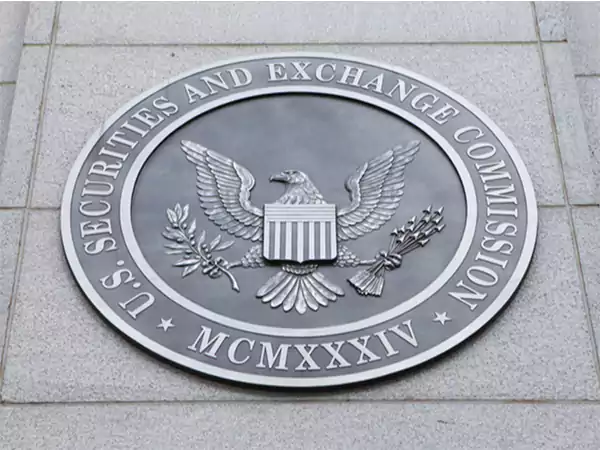
Lyushenko submitted written comments to the U.S. Securities and Exchange Commission (SEC) in November 2025 through the Crypto Task Force consultation process, which served as an important link between his academic research and his work with regulatory bodies.
His submission demonstrated the necessity for foundational regulations that would govern digital heritage as part of the complete framework that controls digital assets, especially concerning custody and fiduciary responsibilities. The standardization of inheritance scenarios as elements of digital asset regulation would enable Lyushenko to enhance the strength and openness of existing custodial and fiduciary systems, according to his argument.