Nrupesh Patel’s Blueprint for KPI Architecture and Enterprise Growth
Nrupesh Patel is a recognized data and business intelligence analyst who has deep experience in enterprise KPI architecture and decision intelligence systems. In this interview, he will be sharing his insights on why many large organizations often struggle to translate analytical visibility into operational and financial success.
Patel’s views come against a backdrop where complex enterprises, especially those in the healthcare distribution and logistics, integrate multiple ERP reporting and analytics platforms. But they still fail to achieve coherent performance outcomes. His perspective shows that structural misalignment between departments through technology absence leads to performance decline.
Patel dedicated his research to the identification and solution development of KPI misalignment problems across SAP, Oracle, and logistics system platforms. His method transforms KPIs into system components that drive decision-making processes, while business operations require this fundamental shift to achieve proper alignment.
Architectural Lens Construction for KPI Assessment

Nrupesh Patel explains that his focus on KPI architecture emerged from his observation of performance measures that lacked economic connections in large enterprises. He discovered that the teams in charge of different metrics created their own measures but did not establish common standards for their measurement.
Financial teams evaluate capital efficiency through their reporting cycles, while operational teams assess immediate service demands using distinct time and economic frameworks. He emphasizes that the structural disruption generates unpredictable results that dashboards cannot fix. Enterprises can achieve better operational consistency through Patel’s framework by treating KPIs as decision-making elements that exist within system operation boundaries.
The result creates both improved dashboard functionality and a dependable operational base that supports decisions that affect planning, execution, and financial management.
Untangling Cross-Platform Data Distortions

Patel demonstrated that asynchronous data pipelines cause platforms to experience structural data distortions. Enterprises utilize SAP for real-time inventory tracking, while Oracle updates financial disclosures during specific times, and logistics systems monitor service efficiency through their own processes. Financial translations need synchronized event anchoring because operational activities create actual financial results. The process creates retrospective reporting, which distorts actual decisions made in the field.
He proposes redesigning data lineage flows for measuring operational and financial KPIs through shared execution events. The alignment provides decision-makers from all functions with an economic perspective that they can rely on for better decision-making.
KPI Lineage Mapping: Beyond Surface Metrics
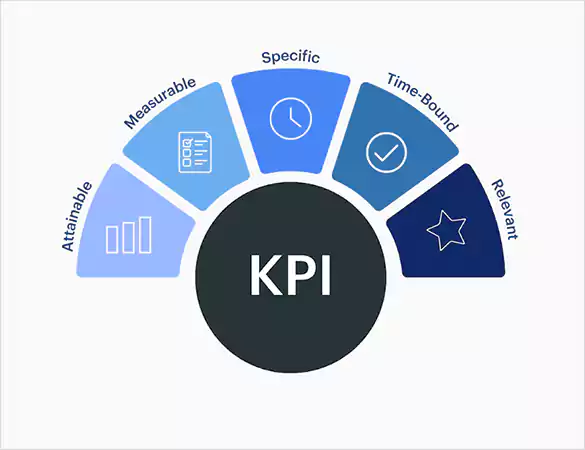
Patel’s work centers on “KPI lineage mapping,” which uses systematic procedures to track performance indicators from dashboard visuals back to the transactional core that generated them. The process of transforming raw events into operational and financial metrics reveals hidden assumptions and governance weaknesses, which include aggregated views that obscure volatility and reconciliation delays that distort economic insight.
He believes that structural blind spots need a new Key Performance Indicator (KPI) generation process that preserves economic coherence from source to reporting instead of relying on visualization adjustments.
Governance and the Future of AI Analytics

Patel recommends organizations developing AI analytics capabilities to use regulatory frameworks that depend on open model assessment and trackable output links to system activities and human review processes. This framework ensures that artificial intelligence systems work together with business operations instead of creating disruptions in economic systems. He proposes that enterprises should conduct periodic lineage audits and economic impact assessments to establish governance standards that protect organizations from structural misalignment in data-intensive environments.
Patel states that the first step for enterprises dealing with KPI conflict is to trace dashboard metrics back to the initial production events and their transformation processes. Patel insists that organizations must unify their financial and operational departments with their analytics team through cultural integration.
Sustainable enterprise growth, he argues, requires both synchronized systems and a common economic language between organizations. Organizations achieve scalable performance transformation when they establish their KPI systems as a strategic function instead of using them for reporting purposes.