Meet the CEO Using Artificial Intelligence to Dismantle Stereotypes in Media
The advertising industry is undergoing transformation through ongoing discussions about representation and inclusion, which develop new standards for advertising practices. Technology is being utilized to study brand communication methods with various target markets, according to current research developments in representation and inclusion within advertising.
X_Stereotype exists as a marketing solution that addresses stereotype problems through its platform, which Larry Adams established based on his marketing expertise. The organization uses artificial intelligence together with behavioral data analysis to assist companies in detecting and eliminating racial bias from their marketing materials while enhancing their advertising effectiveness.
Adams dedicated over two decades to digital media and marketing work before advancing to senior positions at major corporations such as AT&T, WarnerMedia, Mindshare, InterActiveCorp, and DIRECTV. He worked on digital strategy and marketing automation for the Bloomberg 2020 presidential campaign, which handled over 65000 concurrent digital marketing operations.
His dual expertise in corporate and political fields of communication led him to develop the idea that successful modern advertising needs both data and cultural knowledge. Let’s find what he has to say about using AI to get rid of stereotypes in media.
Building Technology That Evaluates Representation
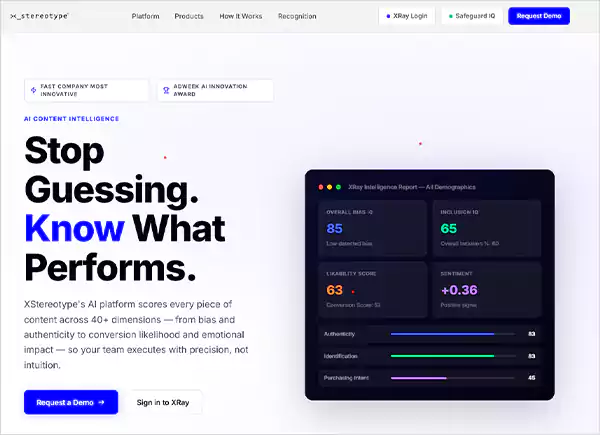
X_Stereotype functions as an artificial intelligence platform that evaluates creative work through its examination of diversity and inclusion aspects. The system conducts an evaluation of advertising scripts together with their visual elements and messaging content before publication.
The platform’s analytical engine operates through data signals that accumulate from focus groups and demographic research. The system uses natural language processing together with sentiment analysis techniques to convert actual human reactions into quantifiable metrics, which show how different communities will respond to specific advertisements or messages.
Larry Adams explains that the system creates comprehensive scorecards that evaluate how different racial groups display genuine behavior and emotional reactions and their likelihood to buy products. Marketers use these measurements to evaluate whether their advertising campaign establishes a positive connection with all audiences or whether it builds negative stereotypes.
Inclusion Metrics and Large-Scale Data Insights for Marketers

The platform’s main functionality contains two exclusive assessment systems called Inclusion IQ and Bias IQ. The indicators use research and consumer feedback data, which includes more than 2 million data points, to help marketers evaluate how well their content represents various cultures and authenticity.
The system provides more than 40 extra measurement systems that describe content viewing behavior according to specific viewer demographics. The process allows businesses to detect issues during the creative phase, which helps them to resolve situations before public backlash starts.
The platform research, developed with assistance from neuroscientists and psychologists, created measurable emotional and sentiment characteristics that AI systems can learn from.
Real-World Applications in Modern Advertising Campaigns

Multiple well-known companies conducted platform experiments for their campaign development because they wanted to achieve greater campaign accessibility. FanDuel, Chipotle, Procter & Gamble, Johnson & Johnson, and Bob Evans all used the system to assess their marketing concepts before they began production.
The technology identified possible advertisement representation problems that would have damaged a campaign’s ability to communicate its diversity message. Brands can use early identification of problems to adjust their scripts, casting, and messaging so their campaigns will connect with larger audiences. Adams shows that companies achieve financial success when they produce stories that reflect different social groups.
The platform data shows that advertisements that present a real, authentic representation while excluding stereotypes will create a higher emotional impact and drive more consumer buying intent. It is now commonly expected that, for acting in communications, businesses would go to great lengths to confirm viable inclusions. Organizations can no longer justify outdated media using tools such as X_Stereotype to optimize marketing impact; they must also learn inclusion.
Read Next: The Science of Infrared: An Interview With Hologenix CSCO Courtney O’Keefe