Maintenance Best Practices for City Managers
The pulse of a modern city beats through its infrastructure. From the roads residents drive on to the parks where children play, the quality of these foundational elements directly shapes daily life. Yet, as urban areas expand and budgets tighten, the challenge of maintaining and upgrading these critical assets often seems insurmountable.
The reality is stark: according to the American Society of Civil Engineers (ASCE), a failure to address America’s infrastructure needs could cost the U.S. $10 trillion in lost GDP and 3 million jobs by 2039.
This staggering projection underscores that effective city management isn’t just about fixing what’s broken; it’s a proactive step that impacts economic vitality, public safety, and overall quality of life. This guide outlines essential maintenance best practices, empowering city managers to adopt strategies that secure their urban areas’ future.
KEY TAKEAWAYS
- Implementing regular inspections and scheduled maintenance prevents costly problems before they arise.
- Involving residents fosters ownership and helps identify issues early, building support for city efforts.
- Efficient allocation of staff, equipment, and budget, informed by prioritization, is essential for optimal maintenance.
- Utilizing smart city technologies and citizen reporting apps enhances efficiency and response times.
- Ongoing staff training and a culture of continuous improvement boost team morale, efficiency, and problem-solving.
- Prudent budget oversight, seeking grants, and exploring partnerships ensure sustained funding for maintenance.
- Working with local businesses creates shared responsibility and additional resources for community projects.
- Adopting eco-friendly materials and methods in maintenance reduces environmental impact and boosts community pride.
Preventive Maintenance
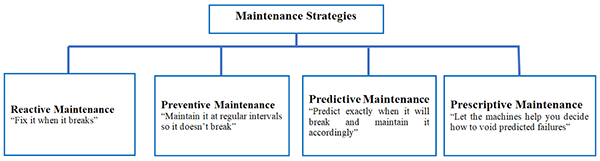
One of the most important tactics for municipal administrators is preventive maintenance. This includes regular inspections and planning tasks to prevent problems before they arise. For example, HVAC systems in buildings, checking streetlights, and road conditions regularly can help these assets last longer.
Cities are better able to manage their resources when their preventative maintenance program is kept up to date. Early problem detection enables to allocate budgets wisely, ensuring that funds are directed toward prevention rather than costly repairs. Using an online system to keep track of completed work and maintenance schedules can boost communication and accountability among maintenance teams.
Community Engagement
Community involvement in the maintenance can enhance city management. People feel more in control of their surroundings when they are involved. Initiatives like neighborhood clean-up days can build community ties and foster care for local areas.
Good communication through social media or community newsletters informed residents about maintenance projects and gathers their feedback. Support for civic initiatives is increased and problems are identified early thanks to this discussion.
Dust Control
Using magnesium chloride dust control efficiently manages dust on unpaved surfaces. It binds dust particles, minimizing airborne dust and road erosion. This keeps roads in good shape without frequent re-gravelling.
Magnesium chloride acts well in dry areas and urban settings. Thankfully, its use can lower maintenance expenses by reducing the need for road repairs. Locals encourage a cleaner environment, which leads to improved air quality and a more happening outdoor experience.
Resource Allocation
Cities must utilize their resources efficiently to maintain roads in good condition. This includes assessing current and future maintenance needs, as well as the resources available, such as staff, equipment, and budget.
City managers can use a prioritization matrix to check which areas need assistance first, based on condition, usage, and community feedback. By targeting busy localities and critical infrastructure, cities can address urgent needs while still planning for long-term upkeep.
FUN FACT
“Cities that invest proactively in preventive infrastructure maintenance can reduce long-term repair costs by four to five times compared to reactive, ‘fix-it-when-it-breaks'” approaches.”
Innovative Technology
Innovative technology can be utilized by city managers to enhance their maintenance practices. Note that smart city projects provide tools that simplify these tasks. For example, sensors that monitor road conditions in real time allow for immediate reactions to dangerous situations.
In fact, there are apps that enable citizens to report maintenance issues, like potholes or broken streetlights, and empower residents to help care for their community. Effectively adopting these technologies, can help cities operate more efficiently and direct resources where they are needed most.
Staff Training
Training is crucial for maintenance staff, because the ongoing training helps workers stay current with the latest techniques and tools. The workshops and training sessions should be regular to improve team morale and efficiency.
Investing in staff training allows city managers to develop their skills and retain motivated workers. Ultimately, this leads to faster problem-solving and better maintenance, helping to foster a culture of excellence.
Budget Management
Managing the budget is crucial for maintaining success. City managers must be aware of the costs of maintenance and potential funding sources. Regular budget reviews can help identify areas for adjustments, ensuring prudent spending.
City managers should also seek grants or partnerships to secure additional funding. This can support maintenance projects that might be postponed due to budget constraints.
Continuous Improvement
Maintenance procedures may be improved by promoting a culture of constant improvement. Teams should consistently review their strategies to learn about opportunities for optimization. Regular performance evaluations or feedback meetings where employees can express their opinions are examples of this.
Keeping communication open about what works and what doesn’t facilitates problem-solving within the team. Promoting innovative thinking among maintenance staff can reveal more powerful practices that benefit the entire city.
Collaboration with Local Businesses
Collaborating with local businesses might enhance city maintenance efforts. When businesses participate in community projects, they may provide cash and promote goodwill within the community. For example, a company might sponsor a park renovation or help with a neighborhood clean-up, providing resources and connecting with their employees. This collaboration fosters a sense of shared accountability for the maintenance of the city and can lead to new solutions that fit specific neighborhood needs.
Sustainability Practices
For modern city management, using sustainability in maintenance practices is crucial. While preserving municipal infrastructure, the environmental effect may be reduced by using eco-friendly products and practices. For example, using recycled materials for road repairs or water-saving landscaping in parks shows a commitment to sustainability. In addition to helping the environment, these practices can boost community pride, attracting ecologically aware residents.
Ans: It involves regular, scheduled inspections and tasks (e.g., checking streetlights, roads) to identify and fix minor issues before they become major, costly problems.
Ans: Involving residents through clean-up days or feedback apps fosters a sense of ownership, helps report issues quickly, and builds support for city projects.
Ans: It’s used for dust control on unpaved roads, binding dust particles to improve air quality, reduce road erosion, and lower maintenance costs.
Ans: Technologies like sensors for real-time monitoring and citizen reporting apps enable more efficient operations, faster responses, and better resource allocation.
Ans: Training keeps staff updated on techniques and tools, improves morale, boosts efficiency, and fosters a culture of excellence in problem-solving.