AG Zheng on Using Technology to Expand SMB Horizons
The small and medium-sized businesses (SMBs) are under the gun to go digital. That being the case, these businesses will have to employ technological means that are linked to the skilling up of their workforce through the proper management of resources and the communication aspect of it.
In the course of an interview lately, AG Zheng, the Executive Director of Lenovo’s Global SMB Segment, elaborated on how this change in the business landscape could enable the small and medium-sized enterprises to gain high technology as a tool for effective scaling of their workforce.
A Leader With Deep Roots in Lenovo’s SMB Strategy

AG Zheng, who has been with Lenovo since 2000, is now the one responsible for shaping the company’s tech solutions for small and medium firms worldwide. He manages the small and medium businesses ecosystem, smart solutions, and specially designed product lines in his capacity.
Zheng was first in charge of consumer notebook planning at Lenovo, and he was instrumental in the very fast growth of Lenovo’s market share in that sector. His point of view is equally representative of the long-term experience in the industry, the knowledge of the day-to-day operational challenges that SMBs face, and the role technology plays in that regard.
Understanding the SMB Segment: Tailored Solutions for Varied Needs
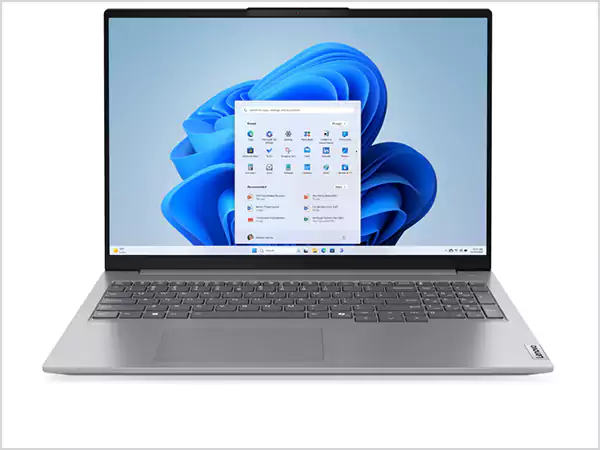
Lenovo’s devotion to small and medium-sized businesses (SMBs) is a fundamental part of the company’s strategy to increase productivity and enhance collaboration by means of innovative technologies. Zheng pointed out that the choice of the technology should not be based on the uniqueness factor but rather on how well it complements the particular needs of the employees.
Among the main products in Lenovo’s SMB department are the ThinkBook series, which are designed to facilitate the modern office’s different tasks and activities, ranging from financial management to the production of creative content. For example, the ThinkBook Plus Gen 4 has an e-ink display placed on the lid, which permits users to engage with the data in a non-screened manner, besides the mainstream ones.
Noted by Zheng is the collaboration between hybrid work mode and the hardware selected to support such modes, as transforming work-device usage patterns can easily lead to improvised device design or vice versa.
Technology Adoption: How SMBs Are Responding Today
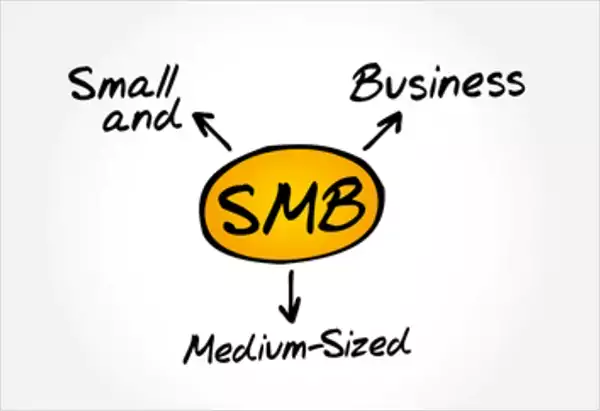
“Technology adoption has become a necessity for small businesses, which have to endure and compete,” Zheng said emphasizing that the research backing up this claim indicates that a gigantic proportion of SMBs use at least one digital platform for their daily operations. A survey conducted by the U.S. Chamber of Commerce found that 93 per cent of small business owners incorporate at least one tech tool or platform into their operations, reflecting how technology has become an integral part of modern business practices.
For instance, creating a network of different working surfaces will allow the company to have efficient communication among employees, which will ultimately result in increased productivity. The machines will do the menial tasks; thus, the workers will be more engaged in the planning and other strategic aspects of the company.
Future Trends and Strategic Guidance for SMBs

Zheng predicts that hybrid work will still be the most important factor, and there will be a constant demand for flexible and portable technology. Researches indicate that most employees at SMBs prefer flexible working, a significant portion of them even want hybrid working, thus making it very important to invest in adaptable tech solutions.
He did not just consider the present situation but advised the small and medium businesses to implement generative AI and AI-compatible hardware, which are expected to become indispensable tools in the near future for the optimization of business potential and provision of personalized user experiences
Read Next: The Visibility Illusion: Why Watching Your Data Isn’t Enough in 2026