Beyond the Algorithm: Brent Cole on Why Expert Oversight is the Secret Sauce of GRC
Brent Cole, who currently serves as the Chief Executive Officer of Mitratech’s Governance, Risk & Compliance (GRC) Division, has spent six years with the company, progressing through a range of leadership functions before stepping into his current role. Through his work in sales and operations and product strategy development, Cole acquired his understanding that effective GRC implementation requires both strong technological solutions and operational knowledge that practitioners gain from working in actual situations.
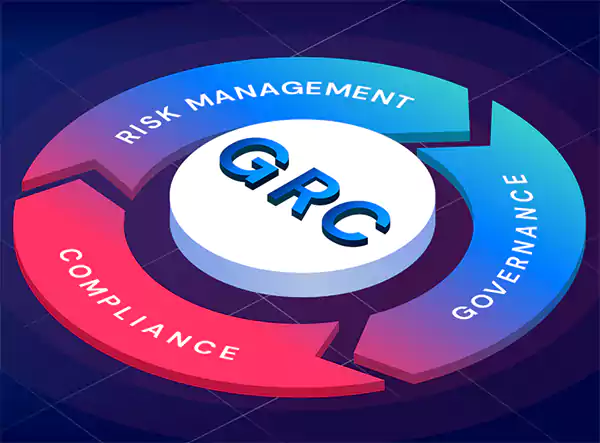
Cole emphasizes that Mitratech’s focus on combining seasoned human expertise with advanced GRC solutions reflects a broader industry shift in how organisations manage risk, regulation, and compliance. Through Cole’s guidance, Mitratech establishes GRC programs as unified frameworks that create distinct organizational requirements through governance while conducting risk assessments to identify threats and maintaining government compliance through ongoing commitment verification.
He describes that organizations must develop new systems that will enable them to establish connections between their obligations, controls, and policies and evidence through ongoing system updates.
The Changing Field of GRC

Current GRC challenges, according to Brent Cole, emerge from three main forces, which include continuous regulatory updates and rising complex interconnected risks that involve cyber and third-party and AI, and the increasing need to implement ethical AI management.
This situation requires organizations to develop systems that deliver real-time data streams while experts need to assess data and make operational decisions. He believes that technology improves operational efficiency, but it fails to provide the refined decision-making needed for authentic and legitimate compliance procedures.
Why Human Expertise Remains Central
Mitratech states that organizations encounter their most difficult GRC challenges when they must make complex decisions that do not have clear solutions. Organizations encounter regulatory compliance challenges due to multiple conflicting priorities, which require them to justify their decisions to various stakeholders, including auditors, board members, and outside regulatory authorities.
Cole states that experienced professionals need to practice judgment because they possess the skills to assess contextual factors, which will help them make better compliance decisions than automated systems, which have been designed to operate independently. Organizations use human expertise to produce governance outputs that meet both legal requirements and internal organizational standards.
Shortcomings of Tool-Centric Approaches
Cole believes that platforms that lack built-in expert support will experience operational failures across their primary functions. Organizations that implement GRC tools without matching their capabilities to existing organizational processes will create systems that users choose to bypass and compliance systems that users will not use to track actual compliance.
Systems generate documents that lack logical explanations for their content creation decisions. This issue becomes more apparent during audit processes and regulatory assessments. The restrictions show what Cole calls the ‘GRC technology paradox’ because organizations need human understanding to achieve better governance results through automated processes.
Enhancing Outcomes Through Embedded Advisory Expertise
Mitratech used its funding to develop its internal advisory capabilities by hiring Jan Tadeusz Stappers and Laura Jacobus. These professionals possess extensive regulatory design and compliance strategy expertise that spans multiple jurisdictions. The GRC platform of Mitratech includes strategic advisory as a core element, which demonstrates to organizations the proper method for building scalable programs that function effectively in actual business operations.
Measurable Credibility and Defensibility

When organizations implement expert guidance through enterprise tools, Cole demonstrates that evidence shows clients experience functional improvements in their programs. They receive complete regulatory obligation pathways that connect to their policies and controls, and their evidence and remediation processes.
The audit trails provide organizations with transparent documentation of their decision-making processes, which exceeds basic task completion requirements. Organizations can use this level of transparency to withstand scrutiny from auditors, regulators, and other governance stakeholders, which helps them to reduce risk while building trust.