Global HR Strategy: Dr. Murugappan on the Digital Era’s Toughest Challenges
Jump To Key Section
- Shift from traditional HR to digital-driven human capital strategy
- Technology, AI, analytics, platforms reshaping HR’s Role
- Preserving human empathy amid growing demands for efficiency and metrics
- Challenges Dr. Murugappan encountered while transforming tradition-bound organizations
- Philosophy on human capital measuring and ROI
- Dr. Murugappan’s vision for HR over the next decade
Human resources is changing dramatically, and leading this movement is Dr. Murugappan. Celebrated for his forward-thinking philosophy, he now leads people strategy with company expansion.
Shift from traditional HR to digital-driven human capital strategy
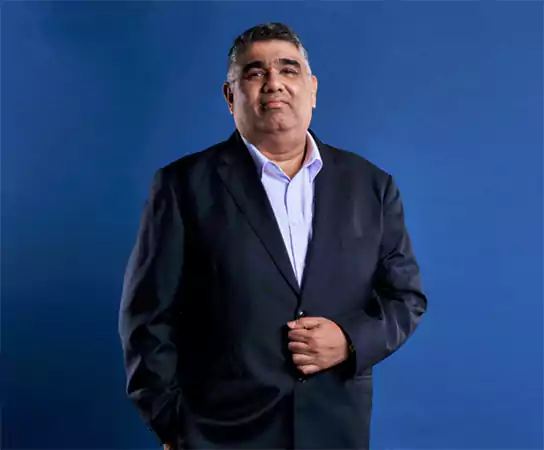
Over a career spanning three decades, Dr. Murugappan has consistently seen a persistent gap: rather than generating company value, HR operations are caught in administration. He claims he spent his early years overseeing payroll, compliance, and policies. Over time, though, he became certain that human resources needed to become a strategic, predictive, and people-centric field.
He claims that exposure to many industrial environments and digital upheaval were major triggers. Certifications in evidence-based management, organizational project management, and artificial intelligence transformation, he points out, helped him to see HR not as a back office but as an engine of organizational change. Less about technology and more about attitude, seeing people as capital rather than cost, his view of the transition is more about this.
Technology, AI, analytics, platforms reshaping HR’s Role
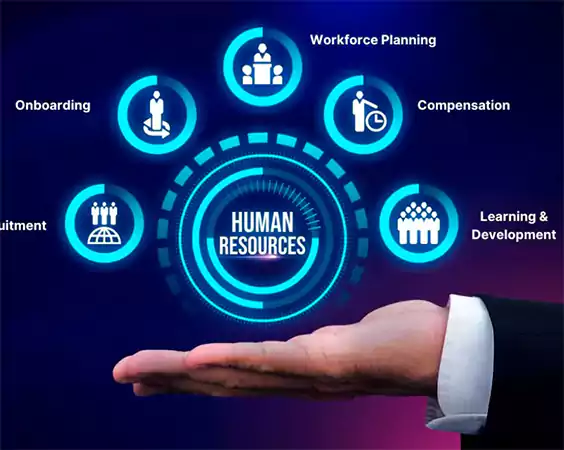
According to Dr. Murugappan, the time of human resources as reactive support has passed. Today’s surroundings call for anticipatory skills: spotting workforce trends, spotting attrition hazards, and creating interventions well before difficulties appear. He sees artificial intelligence and predictive analytics as tools to analyze vast volumes of workforce data, identify patterns, and assist with decision-making. When effectively combined, remote work tools and collaboration tools become the connective tissue for geographically separated teams. But he warns: technology shouldn’t be hastily added. Instead, it should be integrated into the processes, culture, and principles of the company so every HR decision is data-informed yet compassionate at heart.
Preserving human empathy amid growing demands for efficiency and metrics

Design is not compromise, Dr. Murugappan maintains; it is design. His strategy aims at repetitive HR activities hyperautomation, freeing up capacity for purposeful human engagement: coaching, listening, and building psychological safety. He stresses that signals are metrics and analytics rather than choices. Data should reveal areas needing attention; human leaders interpret and act with context and empathy. In his work, the art is in letting information enlighten while trusting human judgment to determine how to react.
Challenges Dr. Murugappan encountered while transforming tradition-bound organizations
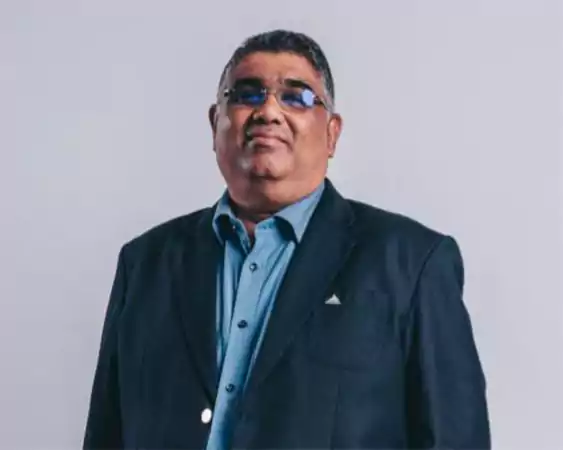
Especially for businesses rooted in hierarchy and historical procedures, resistance to change continues to be the biggest impediment. Leaders occasionally regard HR creativity as hazardous or useless. Dr. Murugappan counters that by beginning modestly: pilot projects with quantifiable results in retention, engagement, or production. Once results become known, they act as evidence points to expand more. Equally important is education: stakeholders have to grasp what digital HR can and cannot provide.
Philosophy on human capital measuring and ROI

Dr. Murugappan views human capital as more than a soft idea; it demands rigor, measurement, and connection to corporate outcomes. He supports human capital financial statements, in which the worth of talent, learning, and involvement is reflected in quantifiable balance-sheet items. Under his direction, human resources not only manages employee numbers and attrition rates but also value creation: how people provide competitive differentiation and how leadership pipelines function. Influence of investments in culture on hidden costs, effect on growth
Dr. Murugappan’s vision for HR over the next decade

Looking ahead, Dr. Murugappan anticipates that HR will evolve into a fully fledged strategic partner capable of predicting employee requirements, co-invent business strategy, and cultural agility. He anticipates the lines between corporate and human operations to blur: HR will integrate itself into governance, customer strategy, and product development. He also expects that future HR executives will be proficient in data, design thinking, morality, and human psychology. Companies that flourish in an age of hybrid labor, gig economy, and artificial intelligence augmentation will be those that view human capital as the main differentiating factor.