Generative AI 2.0: Tabraiz Feham on the Shift from Tools to Thinking Systems
The industry expert Tabraiz Feham demonstrated through his extensive discussion that generative artificial intelligence has developed from its research beginnings into an essential element of current computer technology. Feham, a well-known figure in artificial intelligence development, demonstrated how generative models create creative tools that drive innovation throughout entire organizations.
He described how generative artificial intelligence now extends beyond its previous boundaries, which focused exclusively on creating synthetic media and generating text. According to Feham, the technology has progressed from its initial pattern recognition capabilities to its current state, which enables users to produce authentic content through various channels, including conversational text, images, and structured data.
The recent progress in large language models (LLMs) has become crucial for the current transformation because today’s models show new abilities to understand different fields and communicate effectively through various situations.
Enterprise AI has reached the stage of actual operational implementation.
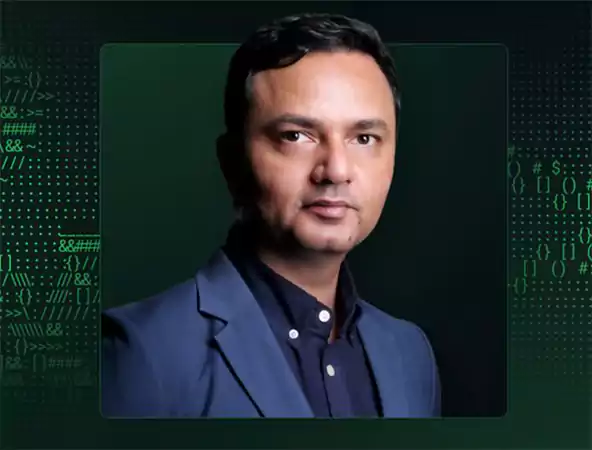
Tabraiz Feham explained that enterprise AI systems, which businesses use for their operations now undergoing major changes. Companies from different industries now implement artificial intelligence technology in their fundamental operations, which include customer support, supply chain operations, and internal data analysis.
According to Feham enterprises now use artificial intelligence for their operations instead of just testing its capabilities. The need for businesses to achieve tangible results through their data has led to increased spending on AI solutions, which use predictive capabilities together with automated processes.
The increasing need for AI governance frameworks, which will support ethical technology use, has become important to him. He sees the performance benefits of enterprises as they work to achieve their business goals, which makes them need AI governance to become a fundamental component of their business operations.
LLMs as Foundational Infrastructure
Feham explained that large language models function as essential infrastructure systems that organizations use to build their applications. The business executive described the models as flexible engines that businesses can use to develop internal document summarization systems and advanced decision-support systems.
The explanation from Feham demonstrated how businesses use LLMs through different security methods, which include cloud APIs and local system installations to achieve better data security during operations. He demonstrated that organizations with developed AI capabilities create customized AI models that use their specific data assets to enhance their performance on particular tasks.
The Rise of Agent-Based Systems
The discussion primarily examined the development of agent-based systems, which enable software to perform tasks automatically for users. Feham described these agents as the natural next step in augmenting human capability.
The agencies operate as proactive partners that execute complex tasks while handling different software systems and performing automatic self-improvement according to the programming that they received.
Feham recognized that businesses face operational hurdles, despite their growing excitement about autonomous agents. The challenges require businesses to establish secure operating limits while they build systems that display their operations and develop methods to evaluate system performance and user trust.
Looking Ahead: The Next Frontier in AI
Feham examined future possibilities after the conversation closed. He believed that future technological progress will depend on developing multimodal intelligence systems that can comprehend and create content that includes textual material and visual elements, and organize information.
Feham also pointed to the increasing demand for AI that can reason about complex scenarios, rather than merely processing input and producing output. According to him, systems need to develop beyond their current capabilities by integrating reasoning, learning, and action functions that operate like human thought processes.
Tabraiz Feham presented a forward-looking AI vision through his description of generative technologies, enterprise solutions, and autonomous agents, which he predicted will transform business operations and human-technology interaction.
He said that organizations need to establish management practices that will help them make use of AI technologies because changes happen quickly in the industry, while appropriate deployment procedures must exist to achieve complete AI technological capabilities.