Insights from Gourav Nagar: Mastering Cybersecurity Leadership in the Digital Age
Seasoned cybersecurity leader with more than ten years of practical experience, Gourav Nagar says the cyberattack landscape has changed significantly. To increase their entry points and avoid discovery, attackers use artificial intelligence, machine learning, cloud platforms, IoT devices, and distant-work infrastructures.
He observes that conventional perimeter-based security systems are insufficient now. Companies have moved to structures based on identity, access management, and ongoing monitoring, increasingly incorporating zero-trust architectures to get ahead of continuous attackers.
Foundations of a Robust Security-Operations Centre

Cybersecurity expert Gourav Nagar says that ongoing monitoring of endpoints, networks, and cloud environments underpins a current security-operations architecture. Gaining a 360-degree perspective of threat activity depends on log intake into a single analytics platform, such as a data lake or SIEM.
Red-team drills provide vital feedback, he claims, since “the best detections come from simulated attacks that test your defenses and hone your incident-response abilities.” He stresses the need for orderly response-playbooks, tabletop exercises, and tracking indicators, including mean time to detect (MTTD) and mean time to respond (MTTR) to assess results and avoid recurrence of incidents.
Building High-Performing Security Teams
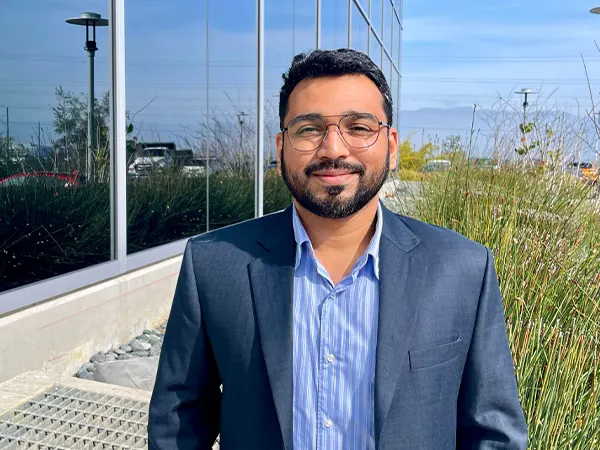
Gaurav Nagar considers mindset as important as technical ability when it comes to talent. He searches for people who enjoy experimenting and can see unusual threats, that is, curiosity, creativity, and critical thinking. Strong ethics and honesty are very important as security teams rest on trust. Equally vital are departmental collaboration and communication, as cybersecurity cannot work alone. He says that in a discipline where attackers constantly change strategies, adaptability and resilience are essential characteristics. “We need professionals who stay calm under stress and readily turn to fresh challenges.”
Leadership Meets Strategy: Aligning Security with Business Goals

Nagar stresses that a strategic perspective has to go hand in hand with technical leadership. This means empowering teams, encouraging creativity, and converting sophisticated cyber ideas into commercial language. He contends that a strong cybersecurity culture starts at the top and covers the whole company, and also talks about how cybersecurity is shaped by threat intelligence research, and how security experts must share accountability. Without this alignment, even the finest equipment can not adequately safeguard
With his Certified Information Systems Security Professionals (CISSP), CISM, GCFA, among others, Nagar describes how he remains current: ongoing learning via webinars, certifications, cyber-range drills and practical labs. He also emphasises the need to keep linked to industry trends and to engage in offensive tactics so that defence teams may think like opponents and react proactively.
Notable Incident and the Lessons Learned
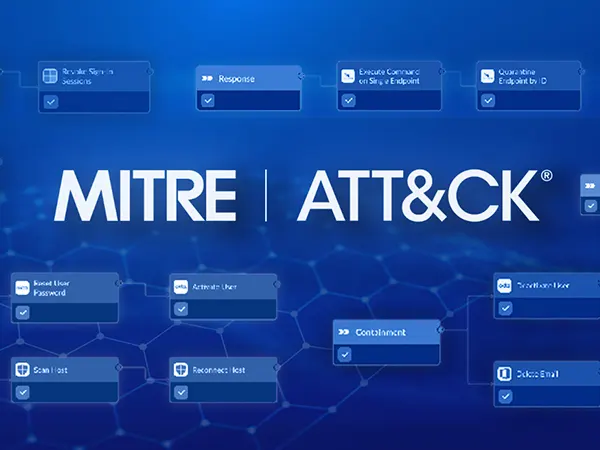
Although Nagar refused to go into precise case specifics, he said his crew regularly follows frameworks like the cyber-kill chain and MITRE ATT&CK in probes. In answering crises, he stressed the need to know infrastructure, tools, and enemy motivation. Reviewing events following an incident enables identification of shortcomings and motivates constant improvement, one of the last indicators of success, according to Nagar, is “no repeat incidents.”
The Horizon: Emerging Trends That Will Redefine Cybersecurity

Looking ahead, Nagar sees artificial intelligence and machine learning as significant drivers of both offensive and defensive cyber techniques. To stay competitive, companies need to invest in AI-powered technology and know-how. He highlights how the growing danger from 5G implementation, edge computing, and IoT development broadens the attack surface and calls for fresh security techniques. The development of quantum computing also looms as a future challenge to current cryptographic standards; hence, companies must start planning for quantum-resistant algorithms immediately.
Automation combined with smart threat detection will be, in his opinion, absolutely necessary to handle the speed and sophistication of tomorrow’s assaults. Proactive risk assessment, incorporation of security throughout business operations, and investment in resilience will best place groups. In essence, Gourav Nagar views cybersecurity as a dynamic field founded on culture, strategy, and constant adaptation rather than as a toolkit.