The Architect of Trust: How Naveen Rudraradhya Redefined Global Identity Governance
Naveen Kumar Yeliyyur Rudraradhya has become a top authority in enterprise cybersecurity through his extensive work on Identity and Access Management (IAM) systems. The combination of his two decades of IAM deployment experience and his ability to manage complex projects that connect security technology with business needs has established Rudraradhya as an expert in his field.
His dual grounding in technology and business, anchored by an MBA in IT Business Management, allows him to drive initiatives that balance compliance, operational efficiency, and user experience.
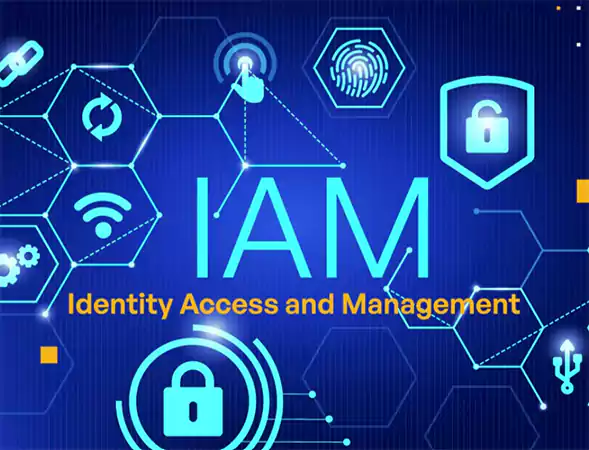
Organizations use IAM today as a strategic resource that helps them achieve operational efficiency and enhanced security. Rudraradhya has progressed through his career by assuming leadership positions that center on establishing IAM systems that function within complete enterprise security systems.
Harmonizing Global Standards with Local Needs

Global companies face their greatest obstacles when they attempt to implement standard identity management systems across all the different areas in which they operate. The initial phase of his method requires him to create a fundamental international standard, which he can modify according to specific regional needs. He brings regional leaders into the procedure at the start point because he wants to create a process that enables them to work together.
The process establishes a teamwork framework that enables local teams to determine how worldwide standards should be applied in their specific situations. The team organized open communication with separate feedback channels, which helped establish understanding and trust among stakeholders while verifying that security measures protected local community needs without affecting business governance.
Redesigning Access Workflows Through Automation

Rudraradhya achieved a major accomplishment by replacing manual operations in identity access management with automated systems for handling user account life cycles. He describes architecting a system where HR events directly trigger provisioning actions, from onboarding to role changes to offboarding, eliminating manual handoffs.
The approach became unique because it incorporated Segregation of Duties (SoD) validation, which SAP systems used to stop users from accessing conflicting permissions. The access provisioning process, which previously required several days, now completes within minutes while maintaining complete audit trails and decreasing compliance risks.
The design process established all elements to create an environment that people could trust completely. Managers could easily verify team entitlements in real time, auditors could view detailed logs of every action, and end users received seamless access from day one.
The Principles for Resilient System Integration
The system method shows its first study through its first system test at the link between Identity and Access Management and Human Resource systems and enterprise directory systems. Rudraradhya established his main operational rule, which defined his work methods through his statement to create simple solutions. He established HR as the exclusive source of correct information, which he used to control all systems that depended on this verified data.
He rejected the expensive custom connectors solution because he considered standard APIs and connectors to be more dependable and easier to manage over time. The teams achieved integration advancement through process documentation, which enabled them to track synchronization operations and system components without needing expert assistance.
Driving Adoption Through Collaborative Leadership

Effective leadership functions as the key element that determines whether a security project reaches success or stops progress toward organizational change. Naveen Kumar Yeliyyur Rudraradhya showed respect for others through his actions because he wanted to create listening spaces that would allow him to listen to his team members.
He explained to people about security control solutions because he wanted them to understand the security controls that needed to be implemented to protect their assets. The regional teams achieved empowerment because flexible implementation options established consistent outcomes, which dashboard systems made visible to them. The regional teams achieved empowerment because flexible implementation options established consistent outcomes, which dashboard systems made visible to them.