Nvidia Users Warned: New Windows Update Linked to Stuttering and Performance Hits
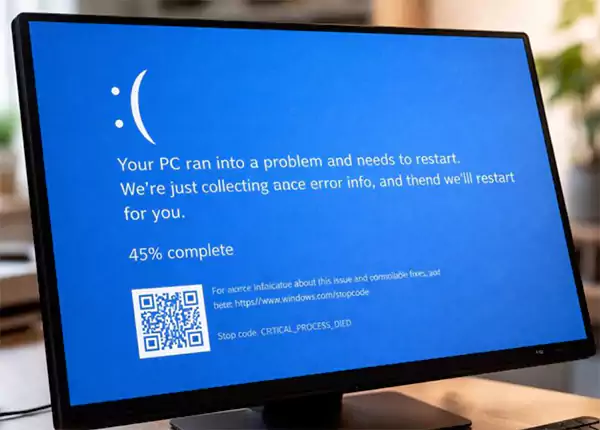
The cumulative update of Windows 11, which has recently been released, has caught the attention of the gaming community after it was reported that the performance on systems with NVIDIA GeForce graphics cards has been reduced. Despite the fact that the update was aimed at tightening security and improving the stability of the system, a lot of users claim that it has resulted in very noticeable slowdowns in gaming workloads.
The update, KB5074109, was made available along with Microsoft’s standard patch cycle and dealt with more than 100 security vulnerabilities across the whole operating system. Upscale user complaints were about the installation, just when users started experiencing lower frame rates, inconsistent frame pacing, and stuttering in several modern PC titles. These issues became hot topics on the enthusiast forums and social media channels in no time, where performance benchmarks are usually shared.
As per several user reports, the decline in performance was different with system setup. A few gamers reported a loss of frame rates of approximately 15 to 20 frames per second when compared with the pre-update performance. Even upmarket machines were not spared, as some benchmark tests showed that there were losses even greater than that on systems powered by NVIDIA’s latest GeForce RTX-series graphics cards.
NVIDIA Steps In as Users Look for Clarity
With the increasing number of reports, the focus came to the Windows update and NVIDIA’s graphics drivers interaction. The community speculation pointed towards a software issue as the reason and not hardware, especially on the systems with Windows 11 versions 24H2 and 25H2, where the update was rolled out automatically.
NVIDIA thus issued a GeForce hotfix display driver, version 581.94, which was specifically made to fix the performance regression. The company described the release as a precise remedy that aimed to bring back the anticipated gaming performance without having to wait for a complete Game Ready driver update. User’s initial review suggests that the hotfix has already fixed the performance problems in the games that were affected.
Read Next: OpenAI’s $10B Bet on Cerebras Challenges Nvidia’s Inference Crown