The Digital Revolution: Paula Gonzalez on Machine Learning’s Role in Energy Supply Chains
One of the most revolutionary eras in the worldwide energy sector is now. Fuel demand is erratic, grid dependability is under pressure, and geopolitical tensions keep interfering with international logistics.
Technology leaders are stepping up efforts to update the systems sustaining energy supply networks against this backdrop.
Paula Gonzalez is one of the voices advocating this change, an industry specialist whose work investigates how digital technology and machine learning are altering the basis of energy logistics.
Her most recent research shows an industry gradually switching from human planning toward smart automation.
The Urgency to Rebuild Outdated Supply Frameworks

Many energy corporations depended for years on coordination systems founded on static forecasting techniques, emails, and spreadsheets. These techniques showed themselves to be sufficient in predictable marketplaces.
But as supply shocks grew more severe, ranging from unexpected refinery failures to weather-triggered transit delays, businesses realized that slower, reactive planning was no longer viable.
Gonzalez stressed that supply chains cannot run any longer with blind spots. Each phase, extraction, processing, delivery, and transport, is interlinked across huge networks; any delay might spread across areas.
She observed that machine-learning systems are starting to close those blind spots via automated decision guidance and real-time monitoring. Early industry pilots have shown that machine-learning-driven logistics planning can improve procurement cycle efficiency by as much as 18%, a shift that is too significant for companies to ignore.
How Predictive Algorithms are Redefining Risk Management?
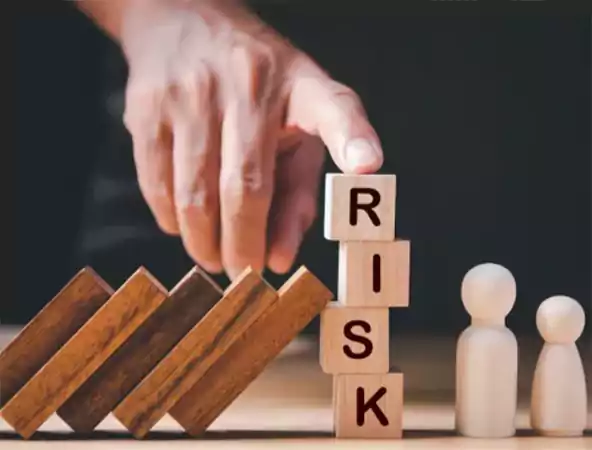
Among the first beneficiaries of sophisticated analytics has been risk management. Companies are now using predictive models that examine millions of operational data points every hour instead of depending on historical averages or manual alerts.
From tanker route congestion and pipeline temperature changes to refinery load patterns and weather disturbances, these systems assess many parameters.
Case studies Gonzalez cited suggest that predictive systems have enabled operators to detect possible supply interruptions up to 72 hours before traditional monitoring tools would have.
This enhancement gives teams vital response time, therefore allowing them to reroute deliveries, get support vendors, or change production volumes before problems get worse. Gonzalez observed in her most current ideas that ‘speed is not only a benefit; it’s becoming a need,’ since what used to demand hours of human investigation is now provided in minutes.
Is Automation the Key to Cutting Disruptions?
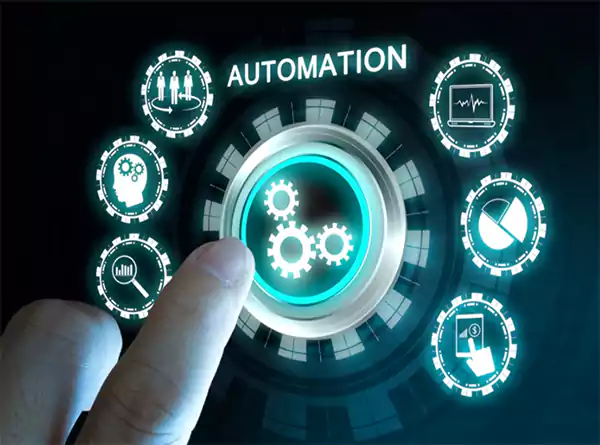
Energy companies are asking whether AI-assisted operations may be the main bulwark against future interruptions as automation picks up speed. According to Gonzalez, the solution tends to be yes.
When they find abnormalities, machine-learning systems are progressively able to automatically change logistical plans. Companies noted that operational interruptions decreased by almost 25% during several deployments following their move to automated, analytics-driven processes.
These technologies can automatically simulate substitute supply channels, forecast inventory shortages, and estimate the financial repercussions of delays, activities that usually need cross-departmental cooperation. Additionally lowers reliance on conjecture, especially during peak demand periods when mistakes might prove expensive. Gonzalez says the future of supply chain is becoming smarter with AI, helping teams prevent problems and make operations faster and more reliable.
Why Machine Learning Is Becoming an Industry Standard?
The mainstreaming of machine learning in the industry has been facilitated by both the request and the opportunity. Businesses, on the one hand, need to be more resistant to disruptions and on the other, they foresee a gradual though considerable saving in costs.
The consequence of daily planning activities being done through computers is that the operations team, now having more time, can work on the strategy, while they are being supported by real-time insights, thus making the company respond to customers’ needs proactively rather than reactively.
Gonzalez pointed out that this is a process that goes along with a big change in the company’s culture as much as with technology. The energy sector has to advance from making decisions based on gut feeling to basing them on verified data.