Zero-Touch IT: Guruprasad Marathe on the Future of AI-Driven Operations
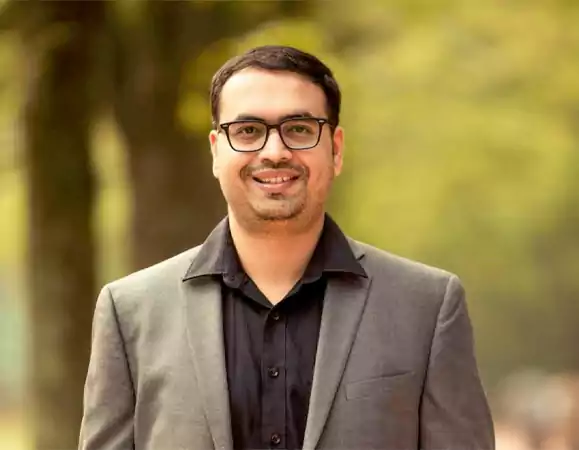
Growing up in the tiny Karnataka village of Sirsi, Guruprasad Marathe found his road ahead via scholarships that supported his studies. Early surroundings shaped his grounding in humility and tenacity; his father operated a small milk-selling firm.
Marathe honed his skills over the years, beginning as a computer engineer, progressing through support and search positions, and finally transferring into architecture and management.
Today, as Principal Solution Architect and Lead Software Engineer, Guruprasad Marathe leads the charge in redesigning digital workspaces using artificial intelligence-driven solutions, platform integration, and automation.
Automating IT Operations: A Shift from Manual to Self-Healing
Marathe believes that modernizing IT activities depends on creating scalable and flexible architectures. Over the past fifteen years, he has spearheaded initiatives to create automation systems that lower human intervention and greatly speed response times.
One prominent example is a system he spearheaded at a big firm (referred to as Zero Touch Dell Direct, which automated the entire asset-management life cycle, from procurement and vendor logistics to delivery. Aside from simplifying processes, the automation helped to reduce high costs.
Moreover, by linking platforms like ServiceNow and Moveworks, Marathe’s team enabled regular operations and IT problems to be automatically solved or proactively flagged, frequently before end users could notice them. This has lowered downtime and freed up IT staff to concentrate on more strategic and value-driven initiatives
AI Chatbots: Beyond Support- To Productivity and Inclusion
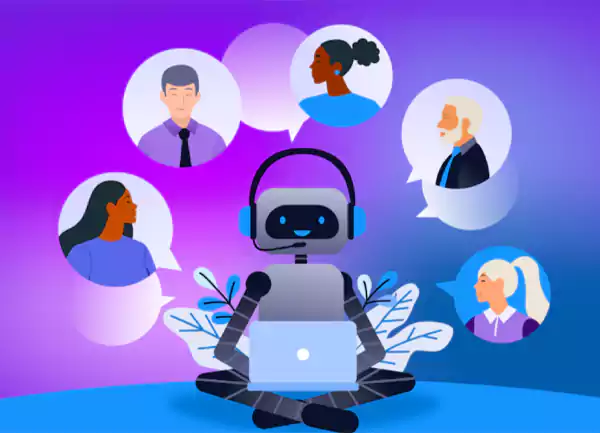
To Marathe, AI-powered chatbots are no longer merely a curiosity, but rather an essential part of the modern workplace infrastructure of the present-day.
According to him, today’s conversational chatbots have the potential to do much more than just answer questions: they can automate repetitive tasks, control workflows and even take action by themselves.
Also Read: BBC Research Exposes Inaccuracies In AI-Generated News Summaries
In IT, chatbots are used for a process like reclamation of software licenses where they prompt employees to confirm usage, automatically terminate unused licenses thus optimizing resource allocation and moving towards cutting costs that are not needed.
In HR and workplace management situations, chatbots make the processes of hiring, firing, communicating about company policies, and ensuring compliance more efficient by providing personalized help and making sure that employees get their queries answered on time. This not only increases productivity but also improves the overall employee experience.
However, the most impressive aspect of technology is how it has positively affected cultural and inclusivity aspects.
For instance, in one initiative termed “Get to Know Me,” chatbots are deployed to aid the correct pronunciation of employees’ names thereby helping to create an atmosphere of respect and understanding in multicultural work environments.
Such considerate utilization of AI signifies that the worth of technology is not just in automation but also in promoting the sense of belonging in the workplace.
The Advice For Engineers and Architects
To the students of engineering and architecture who wish to take Marathe as their teacher, he is giving realistic and workable advice: keep flexible, continue learning, and do not lose sight of real problems being solved when you create novelties that are just technically attractive.
He recommends that future experts always attach their technical works to business goals, become familiar with the larger environment where the systems are functioning, and appreciate working with other departments. This he claims is what sets apart and makes successful engineers and architects who can influence the code less area.
In short, the story of Guruprasad Marathe, who went from a little village in Karnataka to the creation of enterprise-level AI and automation, is an example of how foresight, technical skills, and a user-centred mentality can come together to determine the future of IT operations.
His project is a very attractive map for companies that want to maintain the triptych of efficiency, inclusivity, and human experience in the era of intelligent automation.