How an OKR Template Helps Teams Track Key Results
Jump To Key Section
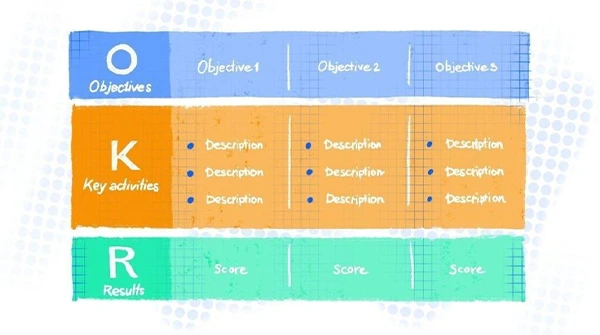
Successful teams always know the goals they are headed towards and the progress metrics they have to hit in order to get there. What helps greatly with this is a clear set of objectives and measurable goals.
Many teams struggle with tracking collective progress and also aligning individual contributors with the team goals.
OKR templates are a simple yet effective tool for every member to monitor the key outcomes they are striving towards as a team. Atlassian State of Teams report claims that teams with transparent goal-sharing and regular progress documentation are 6.4x more likely to produce high-quality work, 2.2x more likely to focus on what matters most, and 4.9x more likely to meet deadlines.
In this article, we will expand upon how OKR templates help teams define and move towards key results while tracking progress.
KEY TAKEAWAYS
- Teams with clarity around goals and progress work together and perform considerably well.
- OKR templates help teams align on goals and measure progress metrics transparently, in addition to setting clear accountabilities and performance reviews.
- They also enable easy adaptability and course correction in case some disruption strikes.
- All this helps keep the team motivated and improve continuously.
Clarity in Setting Objectives
Nobody wants to wander directionless. And in a business environment, being directionless can have drastic consequences.
Hence, every team should have a direction. In fact, they can’t even function without one.
An OKR template helps with this, providing a structured outline of what’s most important at the moment. Clear priorities diminish confusion, so that no one is working on something that matters little or not at all for success. Clear objectives give everyone involved a sense of what the group is trying to accomplish, which brings clarity and common direction to daily activity.
Alignment Across Team Members
Members of a team should always be on the same page about the goals they are working towards and how they aim to achieve them.
An OKR dashboard helps leaders in their effort to synchronize the team’s understanding of the overall direction. It reduces duplicated efforts and drives people to help each other. More aligned teams also have fewer misunderstandings and work together better.
Measurable Progress Tracking
Vague goals don’t lead anyone anywhere. Teams need to have clear, measurable results in sight. It helps in assessing how far behind you are in achieving the goal based on the recently completed milestone.
An OKR dashboard outlines measurable outcomes, making it easier to track progress. Quantifiable key results replace guesswork with clear metrics. Regularly updating these metrics enables teams to see where they stand and make informed adjustments. This transparency ensures progress remains visible to everyone involved.
Enhanced Accountability
Clear accountability helps identify weak players in the team. An OKR template assigns responsibility for each key result, which means every objective has a distinct pursuer. This sense of ownership pushes employees to do their best work. Open tracking makes it clear who owns each result. This visibility encourages accountability and creates a culture of ownership.
Structured Check-Ins and Reviews
Regular reviews keep the goals and the progress at the center of the discussion. An OKR plan forces regular check-ins to review what went well and what challenges are yet to be addressed. Providing these feedback windows allows for timely intervention. Frequent reviews also do a great job in helping celebrate small wins that maintain motivation and momentum until project delivery.
Simplified Reporting
OKR templates provide a standardized format for easy and fast reporting.
They also show progress in an easy-to-comprehend format. This fills all the communication gaps among different stakeholders.
Visual summaries and insight reports allow clear, quick decision-making. It saves time as it makes the situation self-explanatory to every team member. You can simply skip straight to the business of discussing and planning.
Continuous Improvement
You improve learning from your mistakes. A single team member making mistakes can steer the team off its direction. And if an entire team is making the same mistake, it’s bound to fall into the pit of failure.
Employing an OKR framework helps groups identify the things that are not working in their favour. By reviewing outcomes at the end of each cycle, lessons emerge that can shape future objectives. This approach supports ongoing growth and encourages everyone to contribute ideas for improvement.
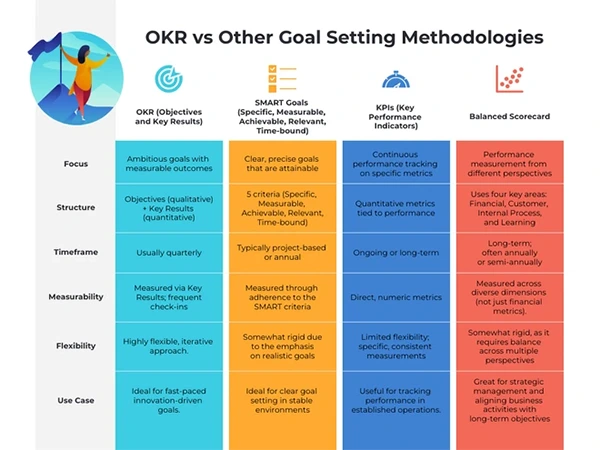
The following infographic clearly informs on how OKR is the best goal-setting framework for team alignment and growth:
Increased Motivation
In a trek, if the destination peak or upcoming base camp is in sight, motivation comes automatically and naturally. Similarly, if you can see how close you have come to the ultimate goal or the next milestone, your enthusiasm boosts. Engagement also increases when each team member knows about their role in the bigger goals.
OKR templates link everyday activities to larger goals, thereby ensuring that individual contributions carry significance. That sense of purpose manifests into higher energy levels and an increased commitment from the group.
Adaptability in Changing Conditions
No matter how good your preparation or planning is, when something unexpected strikes, everything goes askew.
With an OKR template, teams can quickly adapt to the changed situation by simply adjusting objectives and key outcomes as necessary. This allows teams to pivot towards the changed goal or avoid the newly identified speedbreakers in the way. This allows groups to stay effective while still staying on track.
Encouraging Transparency
The foundation of trust is open communication. OKR templates are famous for their inherent transparency, as all goals and corresponding progress are visible to everyone. This transparency minimizes ambiguity about who is responsible for what and enhances the effectiveness of the team. Sharing results in an honest manner builds trust, strengthens relationships, and creates a more favorable and healthier work environment.
Final Thoughts
A team that is aligned with its defined objectives and clear metrics collaborates effectively while moving towards the decided-upon goal.
An OKR framework offers structure, clarity, and accountability throughout this process. Groups that effectively track critical deliverables collaborate better, maintain momentum, and evolve quickly. This way, any team can reach its peak performance and sustain its success.
FAQs
Ans: An OKR plan template is a structure, reusable document used to define, track, and measure Objectives and Key Results.
Ans: OKRs help teams align daily work with the most important goals and measure the progress towards them.
Ans: OKR keeps the team motivated and improves performance in the long term.