On Location: What Photographers Should Know About Working Safely in Public and Private Spaces
Jump To Key Section
- Understanding the Difference Between Public and Private Spaces
- Planning Ahead: The Foundation of Safe Location Work
- Safety in Public Spaces
- Working Responsibly in Private Locations
- Equipment, Setup, and Environmental Awareness
- Accountability and Professional Support
- Comparison of Public and Private Location Considerations
- Building Long-Term Professional Habits
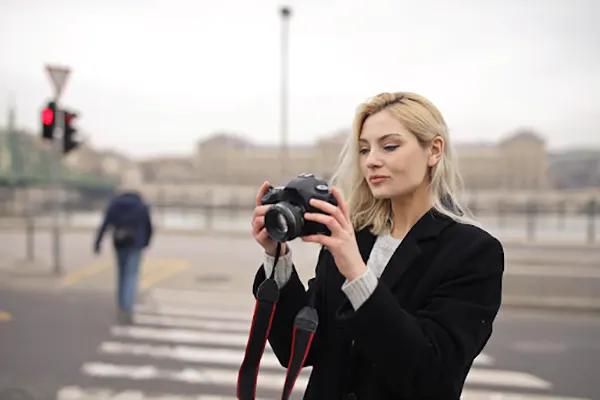
Working outside the studio provides visual richness and authenticity that cannot be duplicated indoors, whether it is in a quiet natural setting, a private venue, or a city street. However, this is where being prepared is important. However, this is where being prepared is important.
Establishing a sustainable photography practice requires knowing how to operate both professionally and safely in public and private settings. Photographers enter shared spaces influenced by norms, expectations, and actual risks once they leave controlled environments.
Just as photographers depend on reliable gear and workflows, understanding when to turn to experienced professionals like Michael Kelly Injury Lawyers can bring clarity and reassurance when situations don’t go as planned. And this article covers some crucial theses around this spectrum.
Let’s begin!
Key Takeaways
- Understanding the difference between public and private places
- Looking at the ways to plan ahead
- Uncovering the parameters of safety in public spaces
- Discussing the important factors for accountability and professional support
Understanding the Difference Between Public and Private Spaces
Before safety, comes whether you can discern between public and private places. It might sound elementary, but you’d be surprised to know how many people get confused making this distinction.
Public spaces cover streets, parks, sidewalks, etc. They are mostly accessible to everyone, though you should still get yourself aware of the local regulations. Private spaces, on the other hand, include venues, businesses, residences, and event locations. Access to it is controlled by the property owner or manager.
Based on the type of space, photographers can do so much. It also determines how they should behave and what permissions may be required. Clarity here helps prevent misunderstandings, so you can focus on your visual creativity, forgetting unnecessary friction.
Planning Ahead: The Foundation of Safe Location Work
You should be duly prepared before the camera comes out of your bag, not after it. The shoots might be smoother if you scout locations, learn access rules, and anticipate potential challenges. Thinking through safety considerations beforehand reduces the likelihood of disruptions on the d-day.
Key steps for planning on-location shoots include:
- Researching local rules or permit requirements.
- Identifying high-traffic or restricted areas.
- Communicating expectations with clients or property owners.
This proactive approach around signaling respect for the space and the people in it makes you appear more professional.
Interesting Facts
Owners of private property—including places open to the public like shopping malls, restaurants, and banks—can restrict photography and ask you to leave. Refusing to leave can lead to trespassing charges.
Safety in Public Spaces
Public locations are very good for dynamic backgrounds, but they also introduce some unpredictability. Pedestrians, vehicles, and changing conditions require you to be on your toes. While photographers are often focused on composition and timing, maintaining situational awareness is just as important.
Simple habits, such as positioning gear away from foot traffic or choosing vantage points with clear sightlines, can make a significant difference. Equally important is respecting boundaries, even in places where photography is generally allowed.
Working Responsibly in Private Locations
Private spaces look synthetic, but that’s also an aesthetic. At least the chaos is controlled. Though the rules and regulations can be a notch higher. Property owners often prioritize safety, liability, and operational flow, especially in commercial or event settings. Photographers working in these environments should be prepared to adapt quickly and follow guidelines without disrupting ongoing activities.
Clear communication is essential. Just know where the equipment placement is allowed and which areas are off-limits. Also, enquire about how long access is permitted to you clearly. All this helps maintain trust and professionalism throughout the shoot.
Common expectations in private locations:
- Adhering to agreed-upon areas and timeframes.
- Minimizing disruption to staff or guests.
- Following site-specific safety protocols.
Equipment, Setup, and Environmental Awareness
Gear management plays a surprisingly large role in ensuring your and others’ safety. Light stands, tripods, cables, and cases can become obstacles to everyone if not placed carefully. A thoughtful setup will not only protect you but everyone around.
Environmental factors, such as uneven ground, weather changes, or limited lighting, also deserve attention. Adjust your setup to match these conditions. This reduces accident risk without compromising creativity.
Accountability and Professional Support
Sometimes, even all the precautions and care fail. You can only prepare for, not completely prevent the unexpected. How should you respond if something happens? Of course, dutifully. Accountability doesn’t mean assuming fault; it means understanding what moving on responsibly is.
You should onboard a professional legal guidance as support from the get-go. Don’t think about it as a last resort. Lawyers with expertise on accidents and liability issues help clarify options and responsibilities, addressing issues calmly, so you can continue working with confidence.
Comparison of Public and Private Location Considerations
The table below highlights how various safety considerations differ based on whether the space is public or private:
| Aspect | Public Spaces | Private Spaces |
| Access | Generally open, with local rules | Controlled by the owner or manager |
| Permissions | Often implicit, sometimes regulated | Explicit permission required |
| Safety focus | Awareness of public movement | Compliance with site protocols |
| Accountability | Shared responsibility | Defined by agreements |
Understanding these differences helps photographers adapt their approach without overcomplicating the process.
Building Long-Term Professional Habits

Ultimately, safe on-location photography needs to be an ingrained part of a professional photographer. They should have a checklist-based routine around that, seeing it as a part of their identity instead of another chore. Over time, these habits build trust with clients, property owners, and collaborators.
By combining creative vision with preparation, awareness, and access to reliable professional support when needed, photographers can focus on what they do best while navigating their environments with confidence and care.
Ans: Smartphones capture 92.5% of all pictures, leaving just 7.5% to conventional cameras.
Ans: 80% of your overall sales could come from 20% of your clients or products.
Ans: It includes crucial concepts like camera angles, continuity, cutting, close-ups, and composition.