From Maps to Micro-Decisions: How Navigation Software Thinks for Truckers Now
KEY TAKEAWAYS
- Learn about the micro decision that actually matters
- Discover where compliance data changes the game
- Understand why consumer GPS still thinks too small in 2026
Remember when truck drivers had to depend on paper maps and pure luck? Miss a turn, hit traffic, and boom, your whole day is messed up. Not fun. Even traffic congestion costs the U.S. trucking industry approximately $108.8 billion per year (2022 data).
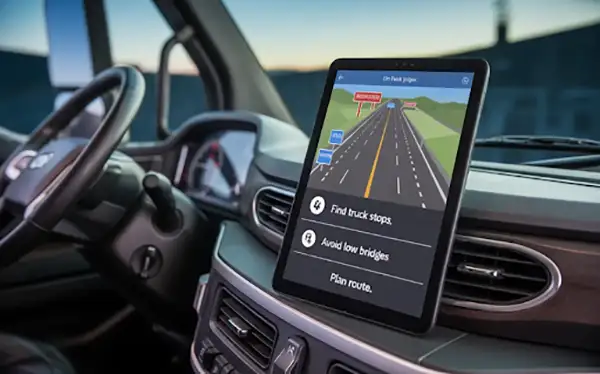
Now? Navigation software does the thinking while you drive. With its smart technology, it tells you where traffic is building, which road to skip. And where you can actually stop without wasting time, which simply means no guessing and no last-minute panic.
It’s not some fancy tech flex. It’s just practical help that makes long drives smoother and decisions quicker. Let’s continue with this article and learn how new navigation software helps reduce stress, fewer surprises, and more control on the road.
The Shift From Directions to Decisions
In 2026, the absolute most serious truck navigation software layers multiple live data streams into a single routing brain. Real-time traffic. High-resolution weather prediction models. Fuel price networks. Parking availability data. Road restriction data sets. Construction schedules. Compliance intelligence. These systems no longer function in isolation. They talk to each other.
That indicates a route is no longer a fixed line drawn at the start of a trip. It’s a living plan, which means it gets updated all the time whenever things shift or change.
If there’s a strong traffic jam a good thirty miles up the road, the software can just send you on a different path right away, rather than waiting until you’re stuck in it. When a winter storm changes direction, we can update your route before any snow even touches the ground. When gas prices jump on one route, the system can suggest to a driver a road that’s a bit longer but saves them money.
The Micro-Decisions That Actually Matter
For drivers, the real value of modern navigation does not show up in dazzling features. It shows up in the dozens of small calls that effortlessly shape a run.
- Should I drive another forty miles or stop now while parking is still available?
- Is it better to ride out this slowdown or detour before traffic locks up?
- Do I fuel here at a favorable price or wait for a cheaper stop ahead?
- Is this shortcut worth it with my current load and height?
In the previous systems, those decisions were made blindly. Drivers guessed, reacted late, or followed whatever the GPS recommended with no context.
In 2026, navigation software adds layers of foresight.
Parking-aware directions will show you spots that are usually snatched up first around dinner time. Weather alerts may provide drivers a heads-up about strong winds on open roads or icy spots before they go forward on a mountain pass.
Traffic models from the past show us that some paths, even if they seem slower when you just look at the map, actually have smoother, accelerated traffic flow in a practical sense. Good fuel optimization tools help you find the best balance between what you pay for gas, how far out of your way you have to go, and the time that costs you. Rather than just trying to get the absolute cheapest gas, no matter what.
These are not huge decisions. But when you’re talking about hundreds of miles and many loads, it actually saves time, gas, and a whole lot of stress.
Where Compliance Data Changes the Game
A really notable upgrade for 2026 navigation software is how it helps you stay aware of compliance regulations.
Drivers won’t have to rely on word-of-mouth or old lists anymore. With weigh stations on Trucker Guide, they can see checking points right there in the route planning. This totally transforms inspections from a sudden problem to something you can calmly plan for, so no more panic rerouting or wasted fuel.
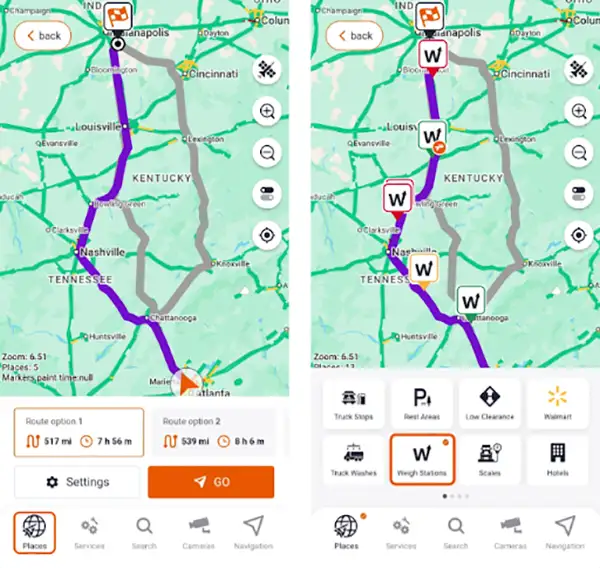
When you know where inspections are going to take place, it really makes you rethink how you time things, where you park your truck, and even how you plan your stops. It can also cut down on potentially harmful things people do, like swerving at the last minute or taking illegal shortcuts, all because they suddenly realize they’re running into something they weren’t ready for.
This isn’t about getting out of danger. It’s about handling compliance smartly, so you know what to prepare for.
Why Consumer GPS Still Thinks Too Small in 2026
Most folks in trucking know all about the issues with using regular GPS.
Even with all the updates, apps like Google Maps and Waze are still designed specifically for cars. They can’t work with real truck profiles. They just don’t really take into account things like how many axles there are, limitations on hazardous stuff, or limits on height and weight. Furthermore, they don’t include any smarts for how parking works or whether rules are being followed or not. Yeah, they actually think any car can go anywhere.
That’s the major reason why people still say things like “My GPS told me to go this way” when they end up lost. There’s a serious gap in how it all works.
Truck navigation software in 2026 is developed with real-world trucking in mind, not just some abstract math for routes. That’s why it helps with those small, smart choices rather than just sending drivers on what looks like the quickest way.
What This Means for the Future Trucker
Trucking is still about making smart calls. When to push. When to stop. When to reroute. When to hold steady and ride it out. Experience still counts more than any app ever will.
The difference now is that those decisions do not have to be made entirely blindly.
Modern navigation software does not replace a driver’s instincts. It strengthens them. It adds context. Furthermore, it reduces surprises. And in a world where one wrong turn can cost an hour and one missed stop can cost a penalty, that kind of quiet intelligence is no longer a luxury. It is beginning to look like standard equipment.
The map is no longer the product. The decisions are.
Ans: It picks the best route, avoiding traffic, which simply helps in wasting less fuel.
Ans: Yes, many, but not all, navigation software works offline.
Ans: It is a feature designed for truck drivers that provides precise navigation to specific loading docks, storage lots, or trailer entrances at a destination.