Rental Operations at Scale: Why Specialized Software Matters Across Asset Types
Jump To Key Section
- Booking Complexity in Car Hire Operations
- Managing High-Value Assets in Heavy Machinery Rentals
- Shared Operational Foundations Across Rental Segments
- Supporting Growth Without Losing Control
- Data as a Driver of Operational Decisions
- Integration and Process Alignment
- Building Resilient Rental Operations
- Conclusion
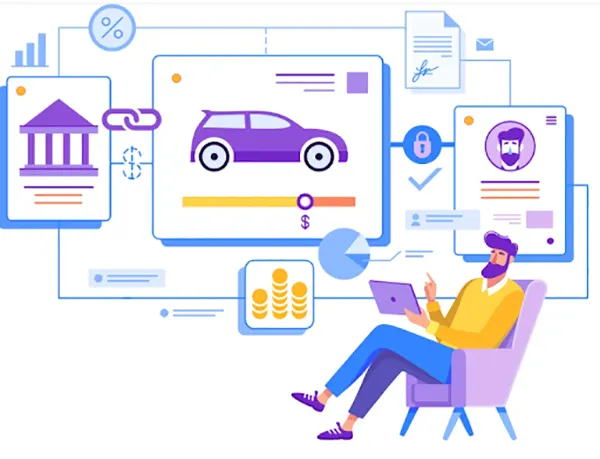
Rental businesses have comparatively an easy path to grow big. But what stagnates the flow of thinking is when it comes to managing the operations. Once you start to scale your business – managing different assets like connected properties, vehicles and equipment – it becomes complex.
This is exactly where specialized software comes into the role and promises you smooth management for diversifying assets. Whether it’s about selecting, buying, implementing, deploying or any other time taking process – specialized software can deal with it.
You might be thinking – ‘how can I start using it?’ Keep reading this post that shares about specialized software – why they are used and how they help you to manage and scale your operations.
Booking Complexity in Car Hire Operations
Car hire businesses usually deal with high booking rates, short rental cycles, and constant changes in availability. Even small mistakes — missed updates, pricing errors, or booking issues — can turn into huge revenue loss.
A structured car hire booking software environment centralizes these processes. Reservations, vehicle status, pricing logic, and customer information are managed within a single system. This reduces dependency on staff coordination and ensures that availability and rates remain consistent across channels.
From an operational perspective, centralized booking logic improves fleet utilization. Vehicles spend less time idle due to scheduling gaps or miscommunication. Managers gain clearer insight into demand patterns – allowing them to adjust pricing actively rather than reactively.
Managing High-Value Assets in Heavy Machinery Rentals
Heavy machinery rental brings a different set of challenges. Assets are costly, utilization cycles are longer, and operational risk is higher. Bookings often involve detailed contracts, deposits, and compliance requirements. Manual handling increases the risk to errors that can have costly results.
Using heavy machinery rental software allows businesses to define how assets are booked, tracked, and maintained. Reservation rules, rental periods, and financial conditions can be defined clearly and applied uniformly. This reduces confusion for both staff and clients – while improving internal accountability.
Scheduling accuracy is particularly important in this segment. Maintenance planning must meet with rental deadlines and downtime must be minimized without compromising safety. Software-based scheduling supports this balance by providing real-time visibility into asset status and upcoming reservations.
Shared Operational Foundations Across Rental Segments
Although car hire and heavy machinery rentals differ in scale and complexity, they rely on similar operational foundations. Centralized rental software supports both parts by providing structure where manual processes break down.
Across different asset types, businesses benefit from:
- real-time visibility into asset availability
- standardized pricing and booking rules
- centralized contract and payment workflows
- accurate reporting on utilization and revenue
- reduced operational risk through automation
These shared foundations allow businesses to manage diverse rental portfolios without fragmenting their operational tools.
Supporting Growth Without Losing Control
Growth is a common objective in rental businesses, but it often exposes weaknesses in existing processes. Adding vehicles, expanding into new locations, or introducing new asset categories increases coordination demands. Without structured systems, growth leads to operational strain rather than improved performance.
Rental-focused software supports controlled expansion by maintaining consistent rules while accommodating change. New assets can be added without redesigning workflows. Additional locations can operate within the same framework, ensuring that reporting and oversight remain intact.
This approach enables businesses to scale gradually, reducing the need for disruptive system changes as operations evolve.
Data as a Driver of Operational Decisions
Rental operations generate valuable data, but its usefulness depends on structure. Booking histories, utilization rates, and revenue distribution provide insight only when they are centralized and reliable. Fragmented systems produce fragmented data, limiting its value.
Modern rental platforms integrate reporting into daily operations. Managers can assess asset performance, identify inefficiencies, and evaluate pricing strategies based on current information. This supports informed decision-making without requiring additional analytical infrastructure.
Over time, data-driven management becomes a competitive advantage. Businesses respond faster to demand changes and allocate resources more effectively.
Integration and Process Alignment
Rental software does not operate in isolation. Integration with booking websites, payment processors, and accounting systems ensures consistency across operations. When systems are connected, data flows automatically instead of being manually transferred or duplicated.
Solutions such as Rent Syst are designed to function within this broader ecosystem. By aligning reservation management with financial and operational tools, businesses reduce administrative overhead and improve data accuracy.
Building Resilient Rental Operations
For rental companies managing diverse assets, software selection is not about feature lists. It is about operational resilience. Structured systems reduce dependency on individual staff members, minimize preventable errors, and support consistent service delivery.
As rental markets become more competitive, businesses that invest in structured operational foundations are better positioned to adapt. They operate with clearer visibility, stronger control, and greater confidence in their ability to scale without disruption.
Conclusion
Specialized software can help smoothen most of the processes that often come across while scaling the business, helping you save time and cost. Let it be booking complexities while running car hire operations, managing high value assets in heavy machinery rentals or handling shared operational foundations across rental segments.
It quietly provides a safety net – when operations grow, the risk of exposing weaknesses also increases. The growth offered by software is both sustainable – supporting growth without losing any control.
Ans: They are much cheaper than the amount and energy you will usually waste and struggle with while managing the operations.
Ans: The tension of putting in more efforts and time and a common thought of risk and how they will manage expanded operations.
Ans: Yes – tracking of the products or assets along with the maintained inventory is available in the software.