Related Posts
Jump To Key Section
Access to quality education remains uneven across the globe, with barriers ranging from geographic isolation to insufficient resources and infrastructure. However, technology is rapidly transforming how education is delivered, helping to bridge long-standing disparities.
From cloud-based learning platforms to AI-driven personalisation, innovation is ensuring that learners, regardless of their location or socio-economic status, have more equitable access to academic opportunity. Here are seven powerful ways technology is closing the global education gap.
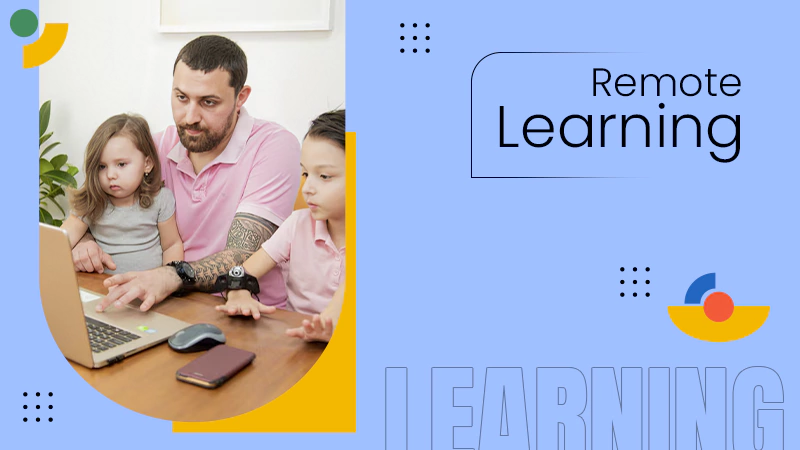
E-learning platforms have transformed access to education, especially where traditional schooling is limited. Cloud-based systems enable learners in rural or conflict-affected areas to participate in virtual classrooms, access educational materials, and even sit for secure, remotely supervised examinations. For example, janison.com enables institutions to deliver remote-proctored assessments, ensuring accessibility and integrity across locations. This democratisation of access empowers learners to continue their education without the limitations of physical infrastructure.
Technology is also levelling the field for students with disabilities. Tools such as screen readers, speech-to-text software, and alternative input devices make learning materials accessible to those with visual, auditory or motor impairments. When thoughtfully implemented, these technologies help integrate diverse learners into mainstream classrooms, supporting inclusive educational experiences that benefit all students.
In many parts of the world, teacher shortages and a lack of ongoing training pose significant challenges. Online professional development courses, virtual mentoring, and collaborative teaching platforms are helping educators stay up to date with pedagogical best practices and subject knowledge. These tools empower teachers to deliver higher-quality education, even in remote or resource-constrained settings.
Artificial intelligence is revolutionising the way students learn by enabling personalised educational experiences. Adaptive learning systems analyse student performance in real-time, adjusting content delivery to match each learner’s pace and understanding. This data-driven approach helps ensure that no student is left behind while also challenging advanced learners appropriately. In doing so, AI supports mastery-based progression and reduces drop-out rates.
Traditional assessment methods can reinforce inequities, particularly when students are unable to travel to testing centres or face interruptions due to external circumstances. Remote testing solutions with secure proctoring capabilities allow institutions to deliver high-stakes assessments in a controlled yet accessible environment. This technology ensures the integrity of results while accommodating a broader range of learners.
Digital platforms allow educators and administrators to collect and analyse student data more effectively. Learning analytics provide insights into student engagement, progress, and outcomes, helping educators intervene early when learners are struggling. This evidence-based approach improves resource allocation, teaching strategies, and ultimately, learner outcomes, especially in regions where education systems are stretched.
Multilingual classrooms are increasingly common, particularly in refugee-hosting nations and linguistically diverse regions. Technology is helping to overcome communication barriers through AI-powered translation tools, subtitling services, and real-time transcription. These tools support both students and teachers in understanding and engaging with content, fostering more inclusive learning environments.
Technology is not a panacea for the global education crisis, but it is undoubtedly a powerful enabler of change. As digital solutions become more sophisticated and accessible, their potential to drive equity in education grows. For educational institutions, embracing innovation is not just a strategic advantage; it is a moral imperative to ensure that every learner, regardless of their background, has the opportunity to thrive.