How to Decide Between Outsourced Solar Energy and Buying Your Own System
“Do what you do best and outsource the rest.” — Peter Drucker
A very old principle, but still very relevant. Today, businesses are confused about many things: own them or simply outsource? One of those things is solar energy. As electricity is getting more expensive, businesses are looking out for alternative energy sources. The sun is one of the best energy sources.
This cuts the operational costs in the long term while being a green energy source at the same time.
But to own a solar system or just lease the sun energy? Not that simple a conundrum to solve, but I’ll try to.
In this guide, I’ll clear your confusion around which one to go for by following a simple method. The following section will explain how to pick the better option for your business with examples.
KEY TAKEAWAYS!
- Moving to solar energy is a better decision for business power needs.
- Setting up a solar system or leasing out sun energy totally depends on your business.
- Cost, effort, business needs, and risk involved determine the best option.
- Clear up the numbers, potential operations, and goals. Then review providers.
Getting a Handle on Your Options
So, let’s get straight to the point: buy a system or buy the power.
Buying Your Own Solar System
If you decide to buy your own panels, you’re taking the driver’s seat. That means upfront costs—sometimes a big chunk of change—but also the chance for long-term savings. You get full control over your system, including how it’s maintained and upgraded. Tax incentives and depreciation can make the numbers even sweeter.
The downside? You’re on the hook for maintenance. Panels, inverters, and other equipment need attention, and repairs or upgrades are your responsibility. Plus, you have to handle the installation logistics. If your team isn’t ready for that, it could be a lot to manage.
Outsourcing Solar Energy
Outsourcing solar energy is a different story. Instead of buying and maintaining a system, you pay a third party to provide the energy. One popular approach is a Power Purchase Agreement (PPA). So, what is a solar PPA? It’s a contract where a company installs, owns, and maintains the system on your property, and you agree to buy the electricity it produces at a set rate for a fixed period, usually 10 to 25 years.
The perks are obvious. No huge upfront costs. Minimal maintenance headaches. And often, predictable energy costs are great for budgeting. But there are trade-offs. You might have less control over the system itself, and because the arrangement is long-term, breaking a contract can be complicated.
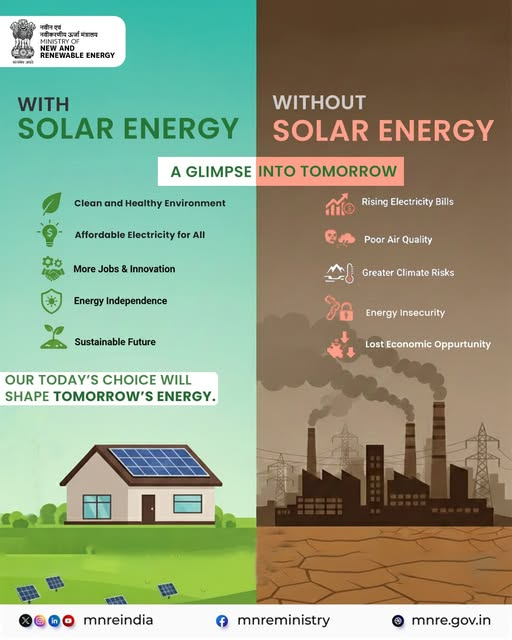
No matter the option you decide, it will be better than the earlier, non-solar power you’ve been using, as described in the following infographic:
What Really Matters When Making the Choice
Besides the monetary investments, many other factors should influence your decision about choosing between buying and leasing solar.
Money Matters
Let’s talk dollars. Buying a solar system requires a significant initial investment, but it can pay off in the long run. You get full access to tax credits, incentives, and potential energy savings. For businesses with the capital to invest, ownership can be a smart financial move.
PPAs involve negligible upfront costs. Tight on cash? Like predictable fees instead of large one-time payments? This is the way to go. Lock in energy rates and you’re safe from rising electricity prices.
Who Handles the Work?
Owning a system comes with perks but disadvantages as well. You also need to maintain, repair, and monitor the performance of the system. Some businesses enjoy this hands-on approach because it gives them complete control. Others see it as a distraction from core operations.
With a PPA, the solar provider handles most of the work. That means fewer surprises and less time spent managing panels, inverters, or software. If your team prefers to focus on the business rather than the roof, this could be a big plus.
Your Business Goals and Energy Needs
Calculate your energy needs, and what are your long-term goals with going solar? Are you looking to save money, cut carbon emissions, or both? If your business plans to stay in the same location for decades, buying might make more sense. But if flexibility matters—or if you’re scaling quickly—outsourcing can give you more breathing room.
Also, consider energy predictability. PPA comes with consistent rates, hence better budgeting. Owning the system results in higher long-term savings, but that can change if you expand or if the equipment goes faulty.
Risk Management
There are very few investments in this world that are not risky. Technology evolves, unexpected events happen, and systems degrade over time. Owning your system means you assume these risks, while a PPA shifts some of that responsibility to the provider. That’s an important factor for businesses that prefer certainty.
A Simple Way to Decide
A simple checklist to pick the better option:
- Assess your budget. Can you afford upfront costs, or do you prefer spreading payments over time?
- Calculate potential savings. Compare projected ROI for ownership versus a PPA.
- Consider operations: time, expertise, or staff to manage a system.
- Align with goals: Importance of sustainability, flexibility, and long-term cost control.
- Review contracts carefully: Especially with a PPA (terms, rates, exit options).
Answering these questions honestly will give you a much clearer picture of the path that fits your business.
Real-World Examples
A mid-sized manufacturing company has cash on hand and wants maximum control over their energy. They decide to buy their own system. Over time, they reap the benefits of tax incentives, full energy savings, and eventual ownership of a fully paid-off system.
Now, picture a growing retail chain. They’re expanding quickly and want predictable energy costs without taking on maintenance responsibilities. A PPA makes sense. Fixed rates, no upfront costs, no maintenance. Both companies benefit from solar—but in ways that suit their unique situations.
Wrapping It Up
So, to buy a solar system or lease sun energy? There’s no definitive answer. Whatever makes sense for your business financially, operationally, and strategically is the right option. Ownership can bring higher long-term savings and full control, while outsourcing through a PPA offers convenience, lower upfront costs, and predictable rates.
Take the time to weigh your options, crunch the numbers, and align with your company’s goals. And remember, whichever route you choose, you’re taking a meaningful step toward cleaner energy and lower costs, an investment that pays off in more ways than one.
Ans: Buying solar panels is a better long-term investment decision. Leasing sun energy saves you from upfront costs.
Ans: Evaluate your needs, budget, space availability, and local incentives.
Ans: Long-term commitment, no system ownership, and missing out on federal benefits.




© 2026 allinsider.net All rights reserved