Did you know? Budget management platforms help manage money effectively, allocate resources appropriately, and monitor performance. (source)
In today’s rapidly changing world, we are witnessing many new trends in investments and asset foundations that are emerging as the new profitable assets.
But the only drawback that people have is their insufficient balance for buying these products because they are stuck in fulfilling their daily needs or purchasing their aspirational goods.
Well, this thing seems to be very chaotic, right? But don’t worry, I’m going to tell you some of the most effective budgeting strategies with the assistance of Albert’s extensive platform programs.
Just read this blog post till the end to get valuable insights regarding this concept.
Let’s get started!
Key Takeaways
Understanding everything about the budgeting basics
Deeply analyzing your income to comprehensively manage expenses
Discovering various metrics involved in debt management
Exploring how compound interests work efficiently to enhance your finances.
Understanding Budgeting Basics
Effective money management, which includes managing money effectively, is at the heart of budgeting. It entails tracking your monthly earnings, expenses, and savings goals to ensure you’re getting by while saving for future financial security.
Term
Definition
Fixed Expenses
Costs that remain the same each month (e.g., rent, car payments).
Variable Expenses
Costs that fluctuate monthly (e.g., groceries, utilities).
Savings Account
A bank account that earns interest on your saved money.
Emergency Fund
A fund set aside for unexpected expenses like car repairs or medical bills.
High-Yield Savings Account
A savings account with a higher interest rate allows your money to grow faster.
Investment Tracking
Monitoring the performance of your investments over time.
Retirement Planning
Preparing financially for your life after you stop working.
Compound Interest Calculator
A tool to calculate how much your automated savings or investments grow over time with interest.
Step 1: Analyze Your Income and Expenses
Knowing where your money comes from and goes is the first step to creating an efficient budget. Albert’s financial dashboard makes budgeting a breeze by instantly linking up with your checking and other accounts. It gives you a quick snapshot of:
Monthly Income: Your regular paycheck, side gigs, and any extra earnings.
Fixed Expenses: Bills like your mortgage, car payments, and insurance.
Variable Expenses: Costs for groceries, utilities, and entertainment.
Savings Contributions: Automatic transfers to high-yield savings accounts and investment accounts.
Pro Tip: Look for consistent spending trends in bank statements over the last three months. Albert’s spending analysis may help you identify wasteful expenditures, such as unused subscriptions or impulsive purchases.
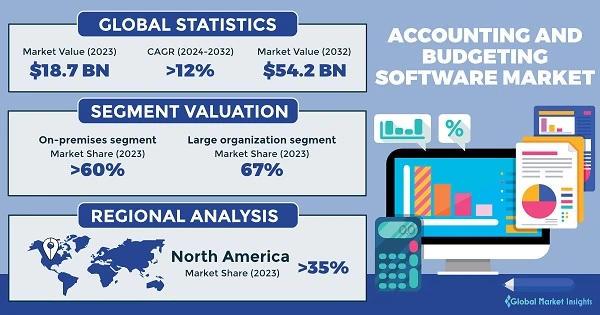
Intriguing Insights
This infographic shows numerous statistics about the Global budget management software market.
Step 2: Build an Emergency Fund
Life may be unpredictable, and unforeseen costs might arise. Creating an emergency fund ensures you’ll be prepared for unexpected events, such as:
Car repairs
Medical emergencies
Job loss
Financial experts advise saving three to six months’ living expenses in a separate account.
How Albert Can Help You
Automatic Savings: Albert allows you to set up automatic deposits into your emergency fund whenever you are paid.
Direct Deposit Options: A portion of your paycheck can be sent directly into your emergency fund.
Pro Tip: To increase your income over time, consider investing your emergency funds in a high-yield savings account or taking advantage of an employer retirement match.
Step 3: Create Savings Goals and Track Progress
Albert makes setting and monitoring savings objectives, both short-term and long-term, easy. Typical objectives encompass:
Down Payment on a Home· Retirement Savings· College Fund· Vacation Fund
You may also use Albert’s compound interest calculator to show how your money increases over time.
Goal
Target Amount ($)
Monthly Contribution ($)
Time to Achieve
Emergency Fund
$5,000
$200
25 Months
Down Payment
$20,000
$300
66 Months (5.5 years)
Vacation Fund
$2,000
$100
20 Months
Retirement Savings
$500,000
$500
40 Years
Interesting Facts The financial management software market is experiencing significant growth, with a projected CAGR of 10.8% between 2023 and 2033, according to Market.us.
Step 4: Manage Debt Strategically
Reduce outstanding credit card balances and other high-interest liabilities to fulfill your financial objectives. To assist in devising a comprehensive debt repayment strategy, Albert recommends the following measures:
· Prioritize repayment of high-interest debts.
· Establish automated payment processes to prevent late fees.
· Tracking your debt payoff progress.
Pro Tip: Use the snowball strategy, which involves paying off the smaller obligations before transferring those payments to higher ones.
Step 5: Invest for the Future
Investing represents one of the most prudent strategies for wealth generation. Albert provides sophisticated investment tracking tools and a comprehensive suite of savings options, enabling you to maintain precise oversight of your:
401(k) and IRA accounts
Mutual Funds and ETFs
Individual Stocks
You can check how your portfolio performs on Albert’s financial dashboard, which helps you decide whether to purchase, hold, or sell.
How Compound Interest Works
Compound interest is pretty awesome. When you reinvest your earnings or add a bit more cash, your money grows faster.
For instance, $10,000 invested in a high-yield savings account with a 5% interest rate will increase to $16,288 after ten years.
Step 6: Monitor and Adjust Regularly
A budget is a living plan that should be modified as your financial circumstances change; it’s not something you should do once. Albert enables you to:
Track monthly income and spending
Adjust savings goals
Monitor investment growth
Analyze spending habits
Pro Tip: Arrange a “Money Checkup” once a month to assess your progress and make any corrections.
Albert vs. Other Budgeting Apps
Feature
Albert
YNAB
EveryDollar
Automatic Expense Categorization
✅ Yes
❌ No
❌ No
Spending Analysis
✅ Yes
✅ Yes
❌ No
Investment Tracking
✅ Yes
❌ No
❌ No
Real-Time Expense Tracking
✅ Yes
✅ Yes
✅ Yes
Financial Dashboard
✅ Yes
✅ Yes
❌ No
Retirement Planning
✅ Yes
✅ Yes
❌ No
High-Yield Savings Account Support
✅ Yes
❌ No
❌ No
Final Thoughts
Budgeting is about making the most of your money, which includes knowing when to spend money wisely, not just cutting back on expenditures. Albert’s automated features, such as high-yield savings account connections, investment monitoring, and cost classification, make money management simple. Enjoy the peace of mind that comes with having a stable income while you begin saving for retirement, start building your emergency fund, and see your savings grow.
Ans: Of course, Albert offers resources for tracking investments, contributing to retirement savings, and keeping an eye on 401(k)s.
Ans: Certainly! Your high-yield savings account may be automated thanks to Albert.
Ans: Albert can easily streamline your finances by automatically classifying your expenses.
Ans: It’s ideal for novices because of its easy-to-use design and financial dashboard.
Ans: Yes, it records your progress and aids in the creation of debt repayment strategies.