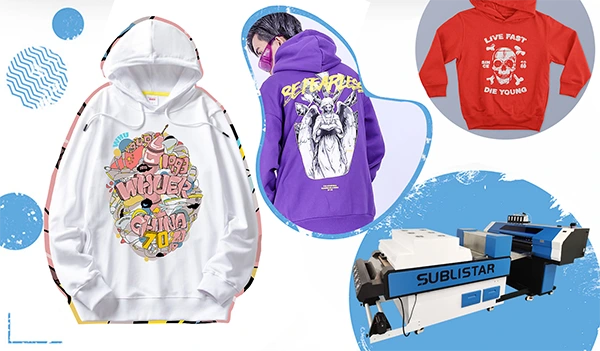
Direct-to-film printing format is transforming the hoodie customization processes for the better with all its quality, durability, and bright colors.
It does not need any complex setup, which makes it easy to use.
This technique is eco-friendly due to its water-based ink and less use of toxic chemicals.
Using high-resolution images will give better results
Fabric pre-treatment, careful film handling, and proper curing will leave a clean and lasting print on hoodies
“Design is not just what it looks like and feels like. Design is how it works.”
– Steve Jobs (Former CEO of Apple)
Being a hoodie lover, this question just clicked in my mind that this piece of cloth is still vibrant even after so many washes. And now, as I read about it in depth, I know how these small clothing brands are getting into selling items with detailed and colorful designs. Of course, the reason is its pocket friendliness.
DTF, which stands for direct-to-film printing, is the new technology that is reshaping the custom apparel industry. In fact, I saw a report by Grand Global Research that shows that the global custom printing t-shirt market is expected to reach USD 5.68 billion in 2025. And here also, this printing is leading in both speed and quality.
Now, whether you are an artist who wants to launch streetwear collections or a small business looking for a way to offer custom apparel, this article will discuss it all. So don’t waste your time and get in quickly to set up your hoodie game like never before.
What is Direct-to-Film (DTF) Printing?
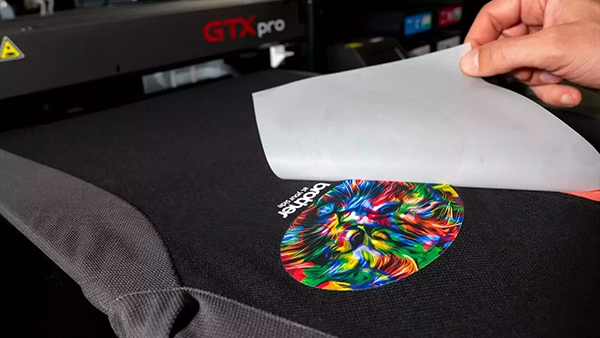
Direct-to-film printing is a modern garment printing technique where designs are printed onto a special film using specific inks, and then it is transferred to the fabric using heat and pressure.
Again, unlike our traditional methods, which were screen printing and DTG, this process gives bold and high-quality prints on different fabrics without any color limitations and the need for pretreatment. It also works well on dark and colorful fabrics.
As a result, it will give you the most durable, clear, and bright type of print, which will stick to any type of fabric, be it cotton, polyester, or blends.
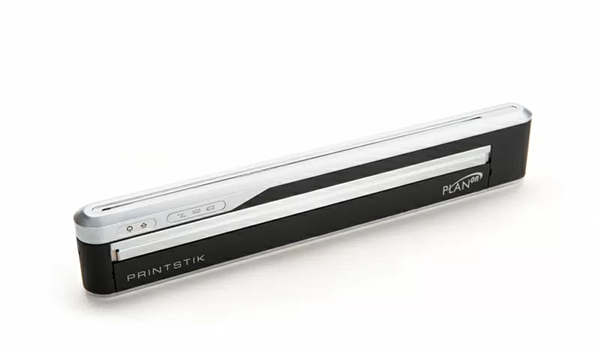
Fun Fact The smallest printer in the world is Printstik, which measures 1x2x11 inches.
Why DTF Printing is Perfect for Custom Hoodies
As we discussed above, DTF printing works well on a wide range of fabrics like cotton and polyester blends. Plus, its durable designs and quality make it even more adaptable for personalized hoodie printing. Here are more major reasons for its perfectness:
Superior Quality
It produces good-quality prints with clear edges and bright colors. And the reason for this is its ink, which has the ability to handle detailed graphics and provide expressive and complex designs effortlessly.
Versatility
This printing form is flexible enough to be printed on various fabrics, and that too, with various designs. Be it light or dark fabric, or photographic prints, or random colorful designs, there are literally no limitations on it.
Durability
The undeniable strength of this printing form is its resistance to fading, cracking, or peeling even after multiple washes. Plus, this quality also makes it suitable for daily wear.
Key Advantages of Using DTF Printing for Your Hoodies
DTF printing offers advantages like good quality, longevity, flexibility, and affordability for hoodie printing, which are obviously big deals. But there are some other advantages also, which make it an awesome choice for printing. And that is what we will discuss here in this section.
No Need for Screen Setup
The traditional printing method (screen printing) needed a different screen for each color, which was both costly and time-consuming at the same time. But here in this printing method, this step is completely eliminated, which makes it both cost-effective and easy to use, especially for custom-made printings.
Eco-Friendly
These techniques produce less waste than other traditional methods that use excess water and chemicals. According to some reports, DTF inks contain 70% lower VOC (volatile organic compounds) levels than traditional inks, which makes them a safer and greener alternative for small-scale printing operations. (Source: DTF NC)
Fast Turnaround
As this method involves no complex screen setups and pretreatment of fabrics, the process of designing and printing hoodies becomes much easier. This quality also makes it a perfect choice for quick order completion and last-minute design ideas.
Cost-Effectiveness
It offers inexpensive short-run printing without compromising on the quality. Also, here you can save on labor and equipment costs by using smart and automated printers like the Prestige XL2 DTF printer.
Fun Fact The earliest form of printing originated in China, where ink and paper were used to create stamps.
How to Design Hoodies with DTF Printing
Designing a hoodie with DTF printing is easy; you have to start by creating a digital design and then print it with water-based ink on a DTF film. Next, you have to apply powder to the print on the film and then heat-cure it.
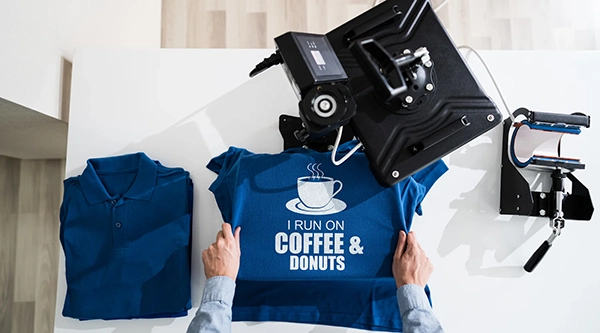
Now, at the end, pre-press the hoodie to remove the creases and moisture, as it will ensure a smooth transfer. Once done, position the print on the hoodie and then heat press it to transfer the design. Later, let the design cool down and remove the film.
This whole process starts with a strong printing strategy, so here are some tips for you to get it right.
Use High-Quality Graphics
It’s important to use high-resolution images, as pixelated ones will not transfer well and spoil the whole process. The preferred choice here is vector graphics, as they can scale easily without affecting quality.
Choose the Right Colors
A major thing to keep in mind is how your chosen color contrasts will look on the considered fabric. In case you have a dark-colored hoodie, make sure the design has a white underbase, as that will enhance the overall brightness.
Consider Placement
The placement of these graphics decides the overall look of clothes. Though it is important to scale, center, and align the design well with the hoodie seams.
Use Design Software
Software like CorelDRAW and Adobe Illustrator is the perfect choice for creating and modifying print-ready designs. It allows for everything, be it resizing, color layering, or exporting the right formats of files.
Best Practices for DTF Printing on Hoodies
If you want your outcome to be the best possible, here are some practices to follow:
Pre-Treatment of Fabric
I know I told you before that there is no need for pre-treatment on fabric, but still, keeping it clean and lint-free is important, as it will give you a better finish.
Proper Film Handling
It’s important to handle the film well with dry and clean hands. Also, avoid touching the print area, as that can smudge the prints.
Curing the Print
Once you transfer the print to the hoodie, cure it properly to lock the ink in place. A heat press at around 320 °F (160 °C) for 15–20 seconds is used for doing it.
Where to Get DTF-Printed Hoodies
DTF-printed hoodies are easily and widely accessible nowadays. You can get it from a custom apparel business, as many of them are now offering DTF printing services.
Moreover, you can also find these suppliers online that will let you upload a design and get a finished hoodie at your doorstep. But before that, check out these tips for paying for customized hoodies to ensure you get the best value.
In case you want to do it yourself or start a business related to it, investing in a quality printer and heat press setup will work. It will streamline production smoothly while helping your brand grow quickly.
Fun Fact 4D printing is a technology that allows objects to change shape over time by adding a fourth dimension.
Conclusion
This modern printing technique is affecting the custom apparel industry, especially when it comes to hoodies. The combination of its different qualities, be it color, flexibility, longevity, or ease of application, is the go-to solution for many artists, clothing brands, and DIY designers.
Now it’s on you whether you want to create a new world of fashion with hoodies or just want to wear them and flex your creativity proudly. Both of these things are now possible by the power of Direct-to-Film printing.
And with this, your hoodie game must have come a level up!
FAQs
Ans: DTF has every quality that makes it perfect for hoodie printing, like versatility, affordability, detailed printing, and a soft, comfortable feel.
Ans: These hoodies are durable in nature, which means they resist peeling and fading even after multiple washes. But it’s still better to wash it in cold water with no harsh detergents.
Ans: Yes, it uses water-based ink and fewer toxic chemicals compared to traditional printing.
Ans: You can use a high-resolution PNG file with a transparent background and vector formats like AI, SVG, or EPS to get the best print quality.
Ans: Yes, it can be used for dark-colored stuff due to its white ink underbase that makes color pop easily.