In the current era of heightened global connectivity, enterprises encounter unparalleled challenges and opportunities in the management of their supply chains.
The dynamics of fluctuating demand, geopolitical uncertainties, environmental considerations, and swiftly evolving consumer expectations render the conventional, localized methodology of supply chain management insufficient.
Now, more than ever, it is imperative for your organization to adopt a global supply chain solution to maintain competitiveness, resilience, and agility. If they don’t upgrade according to new dimensions of technology, then they might face a long downfall.
Through this blog post, we are going to explore everything about this growing segment, giving numerous insights to the readers.
Let’s begin!
What Is a Global Supply Chain Solution?
A global supply chain solution, such as SEKO Logistics Australia, is a comprehensive system that integrates international procurement, manufacturing, logistics, inventory management, and distribution across multiple regions. It uses advanced technologies such as AI, IoT, data analytics, and cloud computing to streamline operations and improve visibility across borders.
These solutions enable companies to optimize resources, reduce costs, and ensure timely delivery, all while minimizing risks associated with global commerce.
Interesting Facts Many businesses are embracing Industry 4.0 principles, including automation and digitization, to improve productivity, flexibility, and speed. (Source)
The Rising Importance of a Global Supply Chain Strategy
Globalization Is Here to Stay
The global economy is more interdependent than ever. Whether you’re sourcing raw materials from Asia, manufacturing in Eastern Europe, or selling products in North America, you’re already part of a global supply chain. A dedicated solution allows you to efficiently manage these interconnected components, reducing friction and increasing output.
Mitigate Supply Chain Disruptions
Recent events like the COVID-19 pandemic, the Suez Canal blockage, and geopolitical tensions have exposed serious vulnerabilities in supply chains. Companies with global supply chain solutions in place could pivot quickly—rerouting shipments, finding alternative suppliers, or reallocating inventory.
Real-time visibility and predictive analytics, integral parts of modern global supply chain solutions, help you anticipate disruptions before they happen.
Customer Expectations Are Evolving
Today’s customers expect fast, accurate, and transparent service. Global supply chain solutions enable real-time tracking, consistent quality control, and faster delivery across international markets. Whether it’s B2B or B2C, customer satisfaction increasingly depends on supply chain excellence.
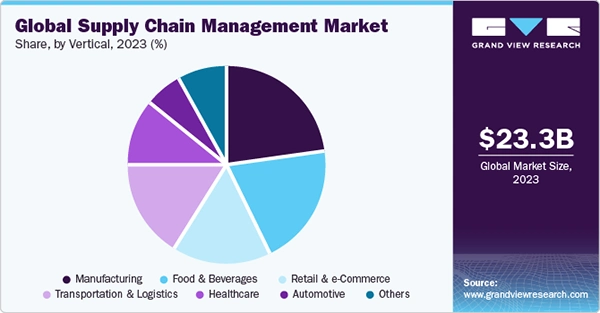
Intriguing Insights
This infographic market statistics of the global supply chain market
Key Benefits of Implementing a Global Supply Chain Solution
Cost Optimization
With a global supply chain strategy, companies can take advantage of regional cost differences in labor, materials, and logistics. You can choose the most cost-effective suppliers, transport routes, and warehousing facilities, all while maintaining service levels.
Risk Management
From political unrest to natural disasters, cross-border operations are fraught with risks. A global solution mitigates these risks by leveraging data-driven insights and contingency planning, ensuring continuity and stability.
Scalability and Flexibility
As your business grows, your supply chain should scale seamlessly. Cloud-based global supply chain solutions allow businesses to add new vendors, enter new markets, and expand product lines without significant infrastructure investment.
Regulatory Compliance
Operating internationally means navigating complex regulatory environments. Global supply chain platforms often include compliance management features to ensure you meet local and international regulations, reducing the risk of costly penalties and delays.
Why You Need a Global Supply Chain Solution Now
Delaying the implementation of a global solution can leave your company vulnerable. Businesses that continue using outdated or regional systems risk inefficiency, poor customer experiences, and missed opportunities. Meanwhile, competitors that adopt global solutions gain a strategic advantage through:
Faster time to market
Lower operational costs
Improved supplier collaboration
Greater resilience in crises
The earlier you act, the better positioned your business will be.
How to Get Started
Adopting a global supply chain solution does not have to be complicated. Start by evaluating your current supply chain and identifying inefficiencies or gaps. Then, look for a solution that offers:
End-to-end visibility
Real-time analytics
Scalability and integration capabilities
Vendor and carrier management tools
Multi-regional compliance support
Partnering with a reliable supply chain technology provider can make implementation smoother and more effective.
Final Thoughts
The global marketplace is rapidly changing, and supply chains are at the heart of this transformation. A global supply chain solution isn’t just a luxury—it’s a necessity. By investing in the right tools and strategies today, you position your company for long-term success in a complex, dynamic world.
Ans: 79% of companies with high-performing supply chains achieve greater revenue growth than the average for their industry. 73% of supply chains experienced pressure to improve and expand their delivery capabilities
Ans: Advanced technologies are shaking up the supply chain world. With quickly evolving capabilities across generative AI, data analytics, automation, machine learning, Internet of Things (IoT), blockchain, and more, the ‘smart’ supply chain is well on its way to becoming the new normal.
Ans: Climate change, geopolitics, and industrial action are still exerting pressure on global supply chains. Advanced technologies such as AI can help refine and optimize supply chains in 2025