7 Ways Hospitality Design Builds Stronger Brands and Lasting Impressions
Jump To Key Section
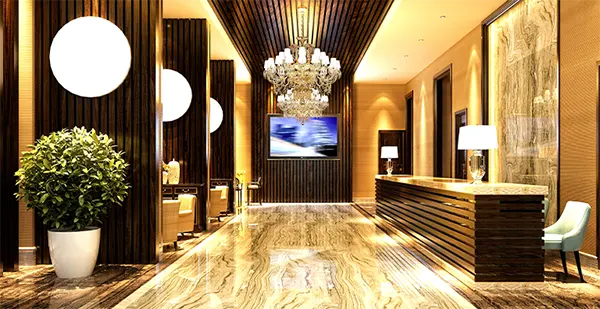
In hospitality, ‘design is more than just style’. It is made beautiful not just to look good but to build a way to communicate with guests. From the lighting of the lobby to the placement of the chandelier, everything matters. An attractive hospitality design is a necessary factor to create a long-lasting impact on guests’ minds.
Hospitality design is what makes it a reputable brand. Read this article to explore the 7 ways by which hospitality design builds stronger brands and creates long-lasting impressions on guests. Explore what makes a guest visit the same place again and again.
Key Takeaways
- First look is enough to decide about the place – whether the place is approachable or not.
- Interactive designs create a long-lasting impression, making travellers remember the brand name.
- Sustainable design feels rewarding to the travellers as it feels like encouraging environmental protection.
- Guests remember the ambience of the place and how it made them feel.
1. Creating a Strong First Impression
Good design ensures that entrances or lobbies are not just functional but also inviting. That first look tells guests what kind of experience to expect and whether the brand feels approachable. In this way, design is part of brand identity, reinforcing it one more time. The colors, textures, and shapes used throughout a space say a lot about what the company stands for.
Interesting Fact
Studies have shown that the traveler usually takes only 7 seconds after entering to form a judgment about the place. A better interior creates a better and longer-lasting impact on the traveler’s mind.
2. Reinforcing Brand Identity Through Design
The colours, textures, and styles found within a space can be very revealing about what that corporation stands for. For instance, a boutique hotel that uses sleek furniture and monochrome colours carries an entirely different feeling from a rural estate with natural wood earth tones. Guests do not simply see a comfortable room or tasteful dining place: they emotionally connect with what the space represents.
3. Improving Function and Flow
Always remember that guests need to move naturally through areas without feeling lost or inconvenienced. A simple instance of not being able to find restrooms can create a bad impact on guests’ minds. Simple practices, such as the proper availability of staff at the right places, can make things easier. Some interior designs can be adjusted in such a way that guests will easily identify where to get help from. Improper setting of interior designs that add difficulty can make guests feel uncomfortable.
4. Enhancing Comfort and Atmosphere
What makes us feel at home outside the home is not just food. Places that use various lighting and effective seating according to the theme, audience, and time can also make us feel the comfort of home. Many hotels and restaurants are famous for providing an authentic and traditional feel. This is because they know how to set such an atmosphere for the guests to make them feel that way. Warm tones and soft textures bring feelings of ease; bold designs evoke excitement. Comfort comes to symbolise a purpose, which means the pursuit of comfort is concomitant with purpose.
5. Encouraging Guest Engagement
An effective usage of space can enable guests to have a conversation with each other. Hospitality Design can be adjusted to make travellers comfortable with each other. For instance, separate spaces for each guest may be good for privacy, but they do not encourage guest engagement. Guests who have more interaction can say a little more meaningfully. These conniving moments turn into gushing evaluations for the travel industry or its operatives, which, being incredibly valuable to any business growth strategy, translate into big money off negative press.
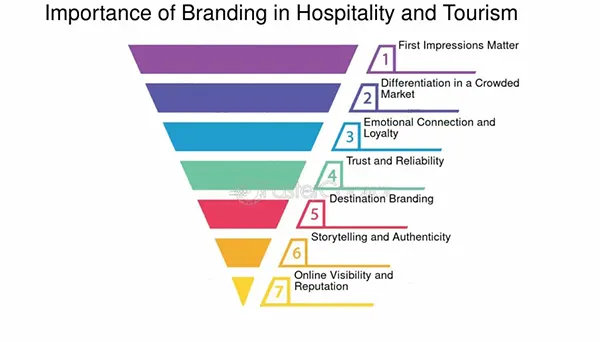
6. Supporting Sustainability and Innovation
A common myth was seen among brands that sustainability doesn’t support being creative and unique. Nowadays, hotels are made both sustainable and beautiful with eco-friendly materials. Even guests feel more satisfied and comfortable in places that support sustainable development, as it gives them a feeling that they are supporting and encouraging sustainability and innovation. And this is very important to save things for our future generations.
7. Creating Memories That Last
Hospitality design is one of the major reasons why people remember a place. They may forget the food they ate, but the experience that they got from that place, that comfort and home-like feeling, is unforgettable, and this is what creates a long-lasting impact. In many cases, design becomes the reason someone chooses one venue over another. By leaving guests with an experience that lingers, businesses secure long-term success.
Design Shapes Experiences That Stay With Guests
From the moment the guest takes entry to the time they exit, they keep noticing the hospitality design. Sustainability and innovation make it more memorable for the guest. Design is a factor that can significantly enhance the way a place is seen. With better hospitality designs, businesses can elevate the effectiveness of the place. Innovative hospitality designs help to connect emotionally with the guests, so that they remember the place for a long time.
Ans: Hospitality design refers to the interiors of hotels, resorts, and other hospitality spaces. These designs help visitors connect with the hospitality service.
Ans: A better hospitality design creates a long-lasting impact on the visitor’s mind. This makes the visitor remember the brand. This is how brand identity and hospitality designs are connected.
Ans: This shows that the hospitality provider is a responsible citizen and plays their required role in protecting the environment.
Ans: Yes, from the entrance gate to the colour of the walls, everything creates an impact on the visitor’s mind and signifies something.