How to Choose the Right Shipping Container for Your Needs in Auckland
KEY TAKEAWAYS
- Take your requirements into consideration before buying any container.
- They come in various sizes, and price heavily depends on that.
- Used containers can be a great investment and are quite affordable.
- Make sure to check local laws of Auckland before placing a container on your property.
The global shipping container market is said to reach $18 billion by 2028, showcasing its rapid growth and usefulness. It’s no longer limited to carrying goods; as a matter of fact, in the modern age, it is used for various things.
They can be used for creating small homes, temporary storage, greenhouses, and many more. Based on your needs, it can be customized. But choosing the right container can be a hassle. Shipping Container Auckland has always been a task, but don’t worry, I’m here to assist you with this.
In this article, I’ll be mentioning how to choose the right shipping container for your needs in Auckland. Let’s get started.
Define Your Purpose
The first step in choosing the right shipping container is understanding your specific requirements. Shipping containers come in different sizes, types, and layouts, so knowing your purpose will help you narrow down the options.
Here are a few standard uses for shipping containers in Auckland:
- Storage Solutions: If you need additional space for personal items, tools, or materials, a container can provide a secure, weatherproof solution.
- Pop-Up Shops: Many owners are transforming containers into mobile retail spaces or food trucks. If this is your goal, you’ll want a container that’s in good condition and easy to remodel.
- Workshops and Offices: Containers are perfect for creating short-term or permanent office spaces or storage units. You might need to think about insulation, windows, or electrical installations.
- Construction or Housing Projects: If you’re preparing to build a modular home or other property, you’ll want a high-quality, well-maintained trailer.
By understanding your intended use, you’ll have a clearer view of what size, condition, and type of storage vessel will work best for you.
Choose the Right Size
Shipping containers come in a number of sizes, and selecting the right one is integral to increasing space and ensuring it meets your needs.
- 20-foot Containers: These are the most commonly used containers and offer around 33 cubic meters of space. A 20-foot container is ideal for personal storage, small businesses, or smaller construction projects. It’s also easier to transport and fits better in smaller spaces, making it a typical choice for Auckland’s private residential areas.
- 40-foot Containers: These containers are double the length of a 20-foot container and provide around 67 cubic feet of space. If you need to store large quantities of goods, equipment, or want a significantly greater workspace, a 40-foot container will be more helpful. It’s also a great option for larger construction assignments or as a base for modular homes.
- 10-foot Containers: While less common, 10-foot containers are also available for those with more specialized needs, such as extra storage or a small retail unit.
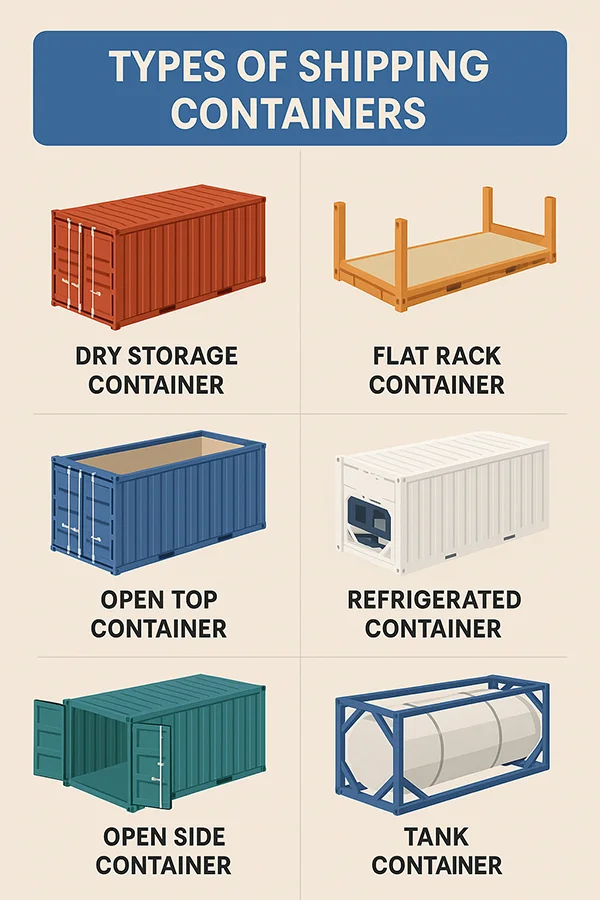
In Auckland, where urban floor space is often limited, think carefully about how much room you have for placement, and remember that the heavier the container, the more space you’ll need to allocate for delivery and placement. Below, you can see different types of shipping containers.
Condition of the Container
The condition of the container is one of the most concerning factors when choosing the right one. Shipping containers are usually sold as new, used, or refurbished.
- New Containers: If you need a container in pristine mint condition with no rust, damage, or wear, a new container is the way to go. This is highly recommended if you want a container that looks great and will last for many years without requiring any emergency repairs.
- Used Containers: These containers are typically more reasonably priced, and while they might show signs of wear, they are still reliable. Be sure to inspect used containers thoroughly for rust, dents, or leaks, especially if you plan to store valuable or dangerous items.
- Refurbished Containers: These containers have been repaired, cleaned, and often repainted. They are a good substitute if you’re looking for a middle ground between cost and condition, offering excellent durability without the price tag of a brand-new carrying case.
When buying or renting a container, always inspect its hardware in person or request detailed photos if you order online.
Consider Modifications and Features
Shipping containers are easily adjustable, so think about whether you need any additional features or updates. Some common upgrades include:
- Ventilation: If you’re storing commodities that are sensitive to moisture or heat, adding ventilation can help keep the air circulating and prevent rust from appearing.
- Insulation: For climate-sensitive projects (such as office spaces or living spaces), insulation is required to control interior temperatures and reduce energy costs.
- Doors & Windows: If you’re converting your container into a shop, office, or home, you’ll need additional doors and privacy curtains for access, light, and humidity control.
- Electrical Fittings: For those turning containers into workspaces or living spaces, electrical wiring and electricity outlets may be necessary.
Many container suppliers in Auckland offer personalized options, so be sure to inquire about what’s available.
Delivery and Accessibility
When choosing a shipping container in Auckland, consider how easy it will be to get it delivered to your site. Auckland’s diverse physical attributes and urban layout mean that access can be extremely difficult in certain areas. You’ll need to make sure your property has the proper access for a truck to lift and place the containers.
Additionally, some vendors will offer door-to-door delivery, while others may be paying extra for transport, depending on your location.
Check for Permits or Zoning Issues
Before placing a shipping container on your property, check with the Auckland City Council to ensure there are no zoning restrictions or certification requirements. Depending on where you live, you might need regulatory approval to place a container, particularly if you’re using it for business purposes or living quarters.
It’s always a good idea to confirm the prohibitions before purchasing or renting a container, particularly if you plan to keep it on-site for an upcoming period.
Conclusion
Choosing the right shipping container for your needs in Auckland involves considering several factors, from size and condition to delivery options and modifications. By carefully determining your purpose, available space, and budget, you’ll be well on your way to finding the perfect shipping carrier.
Whether you need it for storage, a pop-up shop, or a custom home, the right container can provide a scratch-resistant, secure, and cost-effective solution for your operation.
Ans: Choosing the right shipping container includes considering its size, price, purpose, and what modification would be made in the future.
Ans: A standard brand-new 20ft container can cost between $2000-$4000. A used one can be bought for half of the price.
Ans: In most cases, you can make modifications like ventilation, insulation, electrical fitting, doors & windows, and more.