How to Stop Ransomware from Locking Your Business Down
Key Takeaways
- Outdated software is a major reason for the growing ransomware.
- It is important to have regular and secure backups stored offsite or in the cloud for restoring data after an attack.
- Strong passwords and multi-factor authentication (MFA) are a must to protect your accounts.
- A multi-layered cybersecurity system is the most effective way against ransomware threats.
- Employee awareness is another major defense line.
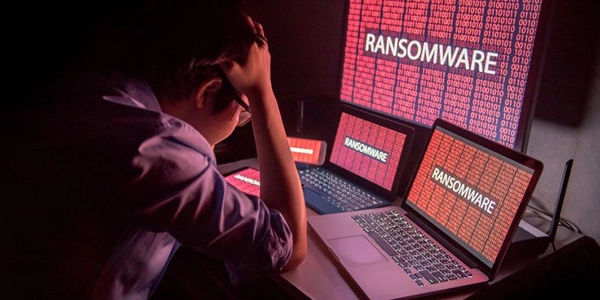
What if your company’s data became inaccessible overnight? Would you be able to work without those customer records, financial records, and internal systems? Well, many companies had already been through it.
According to a 2024 report by Cybersecurity Ventures, global ransomware damages are expected to reach over $30 billion annually by 2026. In fact, many companies, like Colonial Pipeline and JBS Foods, have already paid millions to regain access to their systems.
As cybersecurity expert Bruce Schneier said, “Only amateurs attack machines; professionals target people.” And the fraudsters are doing exactly that. But now you can prevent your business from these ransomware attacks by following the right steps. Let’s begin with the strategies before it’s too late.
Automate Updates
The common reason for ransomware is outdated software, as hackers use the known vulnerabilities in operating systems, plug-ins, and applications. To prevent these threats, you can automate updates wherever possible.
You can also allow automated patching on your system and devices so that all the essential security updates are installed promptly and attackers do not get any chance to use them.
Create and Maintain Secure Backups
Another most effective way against ransomware is to have clean and reliable backups. You can back up your business data and systems regularly and store them in different places, like a cloud base or an offsite option. If you want to shift to the cloud, read more on How Cloud Migration Can Enhance Your Business’s Data Security to understand its full benefits.
Moreover, test your backups frequently to ensure that they are working and can be restored quickly in case of an attack.
Enhance Account Password Security
If you have weak passwords on your systems, it is a goldmine for cyber criminals, so make sure you have strong passwords for all your accounts. This complexity is increasing the need for Password managers for enterprises to securely generate and store login credentials.
Multifactor authentication (MFA) should also be mandatory to provide an additional layer of protection.
Do you know?
The first known ransomware attack happened in 1989, and it was called the AIDS Trojan.
Educate Your Employees
According to a report from 2023, human error or phishing was identified as the root cause in nearly 26% of ransomware cases. (Source: IBM)
Human error is another most common reason for cybersecurity breaches, but by regularly training your employees in recognizing phishing emails, suspicious links, and other social engineering tactics, you can ensure safety.
Keep conducting simulated phishing tests to check awareness and customize your training accordingly. Always remember that a well-informed team is your first line of defense against ransomware.
Secure Network Access
Your network is the digital backbone of your organization, and it must be secured to prevent unauthorized access. Also, implement firewalls, intrusion detection systems, and network segmentation to be aware of potential threats.
You can provide remote workers with encrypted connections through the best VPN solutions. It ensures that data stays protected even when accessed from outside the office.
Conclusion
Stopping ransomware is not about a single solution but about building a strong and layered defense! That is actually the only way to be protected now.
The businesses can reduce the risk of a ransomware attack by automating updates, securing backups, making strong account credentials, educating staff, and protecting network access.
You can also read The Cyberattack That Could Destroy Your Business Overnight—And How to Stop It to understand how quickly things can get out of control. Your business depends on it, so be watchful, stay updated, and take cybersecurity seriously.
FAQs: Stopping Ransomware in Your Business
- Immediately disconnect infected systems.
- Notify your IT and cybersecurity teams.
- Consult with a cybersecurity expert.
Ans: Absolutely. In fact, small and medium-sized businesses are more on the target as they typically have fewer cybersecurity resources.
Ans: A VPN encrypts internet traffic, especially on public or unsecured networks.
Ans: Ideally, backups should be performed daily or even on an hourly basis, but it depends on your operations.
REFERENCES