What Is an ADU in Real Estate? A Practical Guide to ADU Builders, Property Value, and Flexible Housing
Jump To Key Section
- What Is an ADU in Real Estate?
- ADU Meaning in Simple Terms
- Why ADUs Matter in Real Estate
- Common Types of ADUs
- How ADUs Can Add Real Estate Value
- Why Permits and Legal Status Matter
- ADUs for Homeowners, Buyers, and Investors
- What to Consider Before Building an ADU
- Is an ADU a Good Real Estate Investment?
- Conclusion
- FAQs
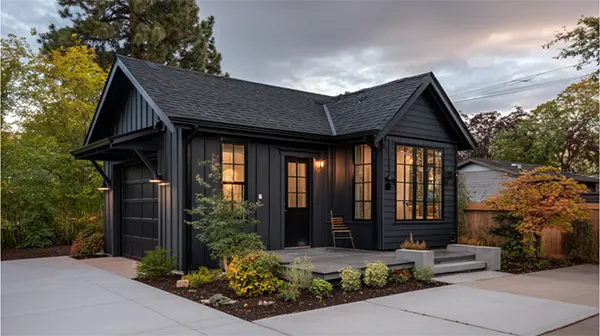
“Home is the starting place of love, hope, and dreams.” — Brad Henry (Ex-Oklahoma Gov)
Homes today are expected to do more than ever before. They may need to house aging parents, create rental income, provide workspace, or adapt to changing family needs. As housing costs rise and flexibility becomes more valuable, accessory dwelling units, or ADUs, have moved from a niche idea to a major real estate conversation.
But what is an ADU, and why are homeowners, buyers, and investors paying close attention?
It’s a secondary residential space built on the primary home property in the form of a backyard cottage, a converted garage, a basement apartment, etc. It truly changes how a property is used, marketed, and valued.
For some homeowners, it creates room for family. For others, it opens the door to rental income or long-term flexibility. The real value, however, often comes down to smart design, proper permits, and local compliance.
In this article, I’ll explain what an ADU in real estate is. The following sections discuss how accessory dwelling units work, explore different types, understand property value impacts, and discover key building considerations.
KEY TAKEAWAYS
- ADUs are secondary residential units built on the same lot as a primary home.
- A legal and properly permitted unit can improve property flexibility and market appeal.
- They can support rental income, multigenerational living, guest housing, or future lifestyle needs.
- Local zoning laws, permits, and property conditions heavily influence ADU feasibility.
What Is an ADU in Real Estate?
It’s designed for independent living, which is what separates it from a spare room or finished basement.
A typical ADU may include:
- Sleeping area
- Bathroom
- Kitchen or kitchenette
- Living space
- Private entrance
Depending on local codes, it may also require independent utilities, parking, fire safety features, and specific design standards.
It is usually designed to function as a livable unit where someone could stay for an extended period of time.
ADU Meaning in Simple Terms
In simplest terms, it’s a second, smaller home sharing the same lot as the primary house. It gives the property another usable living space without requiring the owner to buy a separate lot.
ADUs are also called granny flats, in-law units, backyard cottages, guest houses, secondary suites, etc. The terminology changes by region, but the concept is generally the same.
Why ADUs Matter in Real Estate
A single ADU addition can influence:
- Buyer appeal
- Future resale options
- Income opportunities
All at once.
A permitted ADU can make a property more attractive because it gives future owners options. One buyer may want rental income. Another may need space for aging parents. Another may want a private home office or guest suite. This flexibility can make the property more useful to a wider range of people.
However, an unpermitted unit can create problems. Converting a garage or basement without approval may not beget expected value. It can also raise concerns during inspections, appraisals, insurance reviews, or rental use.
Common Types of ADUs
There are many types of ADUs.
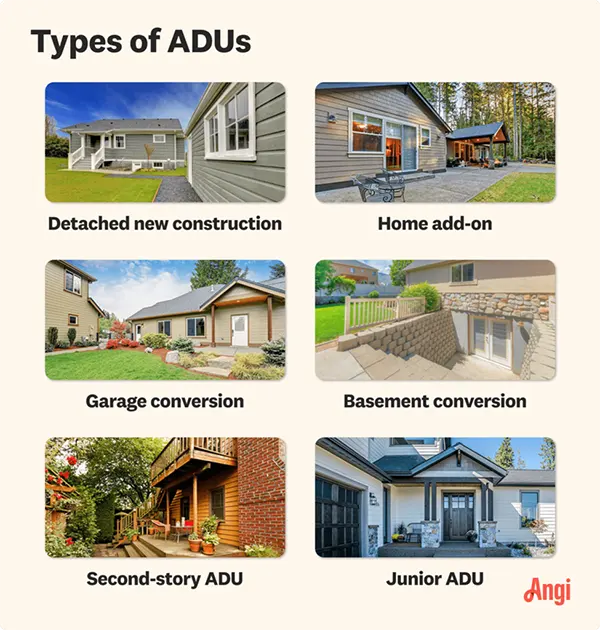
Detached ADU
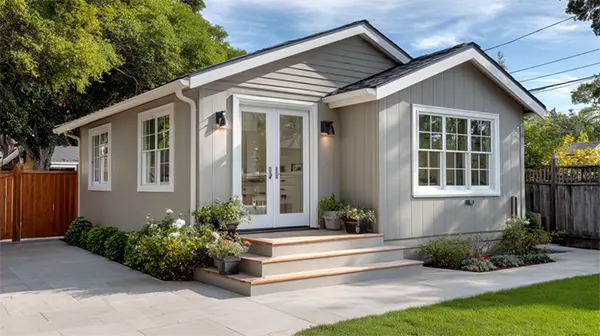
It’s a standalone structure built separately from the main house. It is often located in the backyard and may look like a small cottage, studio, or modern guest home.
Detached ADUs are popular because they offer privacy. They can work well for rental units, multigenerational living, or long-term guests. In cities like Seattle and Bellevue, detached units are often referred to as DADUs.
Attached ADU
It’s connected to the main home. It may be built as a side addition, rear addition, or converted section of the house with its own entrance.
This is good if you do not have enough lot space for a detached structure.
Garage Conversion ADU
It turns an existing garage into a legal living unit. This can be appealing because the structure already exists, but it still requires careful planning.
The garage may need insulation, plumbing, electrical upgrades, heating and cooling, windows, flooring, fire separation, and accessibility improvements. It also needs to meet local habitability requirements.
Basement or Interior Conversion ADU
Some ADUs are created inside the existing home. A basement, lower level, or unused portion of the house may be converted into a separate unit.
This can be a smart use of existing square footage, but it must meet requirements for safety, ceiling height, exits, ventilation, privacy, and access.
Junior ADU
It’s usually smaller than a standard unit and is commonly created within the existing home. Rules vary by location, but junior ADUs often have size limits and may share certain features with the main residence.
This one’s perfect for homeowners who want a smaller and less complex option.
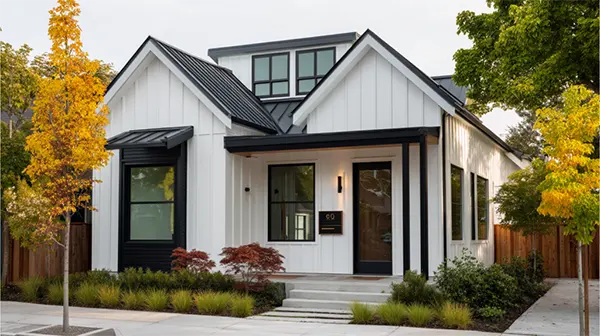
How ADUs Can Add Real Estate Value
It genuinely makes the entire property more useful; naturally, the value increases.
More Usable Living Space
An ADU gives a property more functional living space. That can be valuable for families, guests, renters, or future lifestyle changes.
A home with a legal unit will surely serve more needs. This can improve its appeal in markets where buyers are looking for flexibility.
Rental Income Potential
Many homeowners build ADUs to create long-term rental income. A separate unit can allow the owner to rent part of the property while still living in the main home.
This income potential can be attractive, but it depends on local rental demand, rental laws, property management responsibilities, vacancy risk, and the total cost of building and maintaining the unit.
Multigenerational Living Appeal
ADUs are often used for aging parents, adult children, relatives, or caregivers. They allow family members to live close while maintaining independence and privacy.
No wonder they have become a rage in real estate. They offer a practical solution for families who want connection without crowding everyone into one house.
Buyer Demand and Resale Considerations
A permitted ADU can make a home more attractive to buyers who want options. Some buyers may see it as a rental opportunity. Others may see it as family housing, a guest suite, or a future downsizing plan.
The strongest resale benefit usually comes from legal, functional, attractive, and easy-to-access units. Poorly designed or unpermitted units aren’t worth it.
Why Permits and Legal Status Matter
Without a permit, your unit might not be legally recognized as an ADU.
Legal ADU vs. Unpermitted Unit
A legal ADU has gone through the required local approval process and meets applicable codes. This may include zoning, building, electrical, plumbing, mechanical, energy, and safety requirements.
An unpermitted unit may create issues during a sale. Buyers may be hesitant. Lenders may not count the space the same way. Appraisers may treat it differently. Insurance coverage may be more complicated. Local authorities may even require changes before the space can be legally used.
For homeowners planning an ADU in growing urban cities such as Bellevue or the greater Seattle area, working with a local team such as Seattle Modern Buildings ADU Builder can help clarify lot-specific design, zoning, and permitting considerations before construction begins.
Local Rules Can Change the Project
Rules surrounding this are highly local. Two properties in different cities may have very different requirements, even if they are similar in size.
Local rules can affect setbacks, height limits, lot coverage, parking, utilities, design, fire access, tree protection, owner-occupancy rules, and rental use. These details can shape the size, layout, placement, and cost of the ADU.
That is why homeowners should start with feasibility before jumping into design or construction.
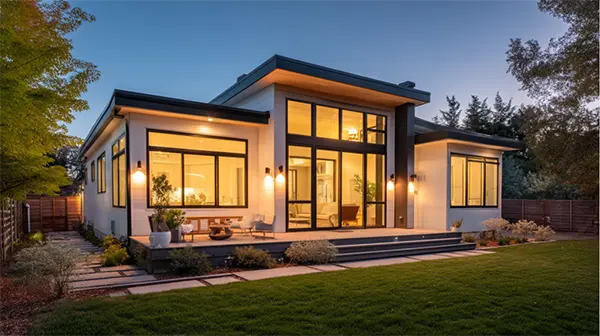
ADUs for Homeowners, Buyers, and Investors
Different people see it differently. A buyer values family use, a homeowner sees rental income, while an investor looks at the resale value.
For Homeowners
For homeowners, an ADU can make the property more useful. It can provide a place for family, create a private guest space, support aging in place, or generate extra income.
It can also give homeowners more flexibility over time. The same unit may serve different purposes as life changes.
For Buyers
Buyers should ask pertinent questions like:
- Is the ADU permitted?
- Does it have separate access?
- Are the utilities shared or separate?
- Was it built to code?
- Is there a rental history?
- Are there restrictions on how it can be used?
A legal ADU can be a strong benefit, but buyers should verify the details before assuming it adds full value.
For Investors
Investors may view ADUs as a way to increase income from a single residential property. In the right market, it can help improve cash flow and expand rental options.
However, investors should evaluate construction costs, financing, maintenance, vacancies, local rental laws, and long-term demand. An ADU can be a strong real estate tool, but it should be analyzed like any other investment.
What to Consider Before Building an ADU
Before building a unit, ensure four things: space, resources, a plan, and skilled labour.
Property Layout and Lot Size
The lot must support the type of ADU being considered. Detached ADUs need enough outdoor space, proper setbacks, and access. Attached or interior ones may depend more on the existing structure and layout.
Some properties are ideal for ADUs. Others may require creative design or may not be practical.
Budget and Financing
The costs can vary widely. A garage conversion may cost less than a detached backyard home, but site conditions can change the budget quickly.
Costs may include design, engineering, permits, utility upgrades, foundation work, framing, finishes, appliances, landscaping, and inspections. Financing options can also vary, so homeowners should understand the numbers before starting.
Design and Long-Term Use
The best ADU designs begin with the end use in mind. A unit for a family may need accessibility and comfort. A rental unit may need privacy, durability, storage, and a separate entrance. A guest suite may have different priorities.
Good design should serve both immediate needs and future possibilities.
Choosing the Right ADU Professional
Because the rules, costs, and build requirements vary by location, many homeowners choose to consult experienced ADU Builders early in the process to understand what is realistic for their property before finalizing plans.
The right professional can help identify feasibility issues, avoid costly mistakes, and guide the project through design, permitting, and construction.
Is an ADU a Good Real Estate Investment?
It should be evaluated as a long-term strategy rather than a quick upgrade. Its success often depends on how well it aligns with market conditions and property goals.
An ADU may make sense when the local rental market is strong, the property has enough space, the owner plans to hold the property long-term, and the project can be built legally within a realistic budget. It may also be valuable when the owner has a clear family or lifestyle need.
An ADU may not be the best fit if the lot is too limited, the budget is too tight, local rules are restrictive, or the owner does not have a clear use for the space. Utility challenges and construction costs can also affect the return.
Conclusion
As housing needs continue to evolve, ADUs are becoming more than an extra structure on a property. They represent flexibility in an era where homes increasingly serve multiple purposes. Whether the goal is family housing, additional income, or future-proofing a property, a well-planned unit can transform the way owners think about residential space.