What to Do Before Calling Emergency Plumbing
Jump To Key Section
- Locating and Turning Off the Main Water Meter
- Shutting Down Your Hot Water System Safely
- Draining the Remaining Water from the Pipes
- Clearing the Area and Protecting Your Belongings
- Identifying the Exact Source of the Problem
- Warning Other Members of the Household
- Documenting the Damage for Insurance Purposes
- Taking Control of Your Home Plumbing Crisis
- FAQs
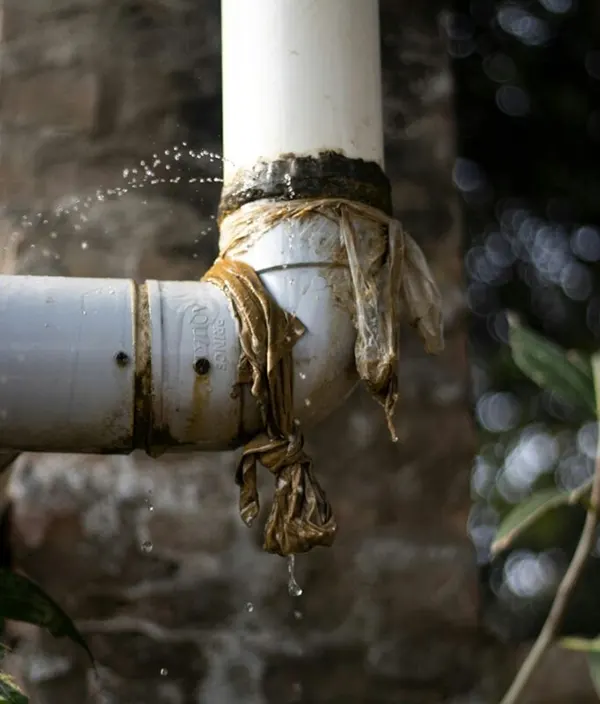
As a homeowner, you get to face many emergency situations almost every month. A pipe burst here, an overflowing toilet there.
You should definitely call the plumber in such a situation, but you have to do some things even before that to ensure things don’t go so out of hand that even a skilled plumber can’t take care of it. For example, to minimize damage, shut off the main valve and ensure electrical safety within 60 seconds of the crisis (Source).
In this guide, I’ll tell you many other similar steps you need to take immediately while the plumber arrives. The following sections will help you manage the crisis effectively.
KEY TAKEAWAYS
- Only a plumber can skillfully handle a water system crisis.
- But before he reaches your home, you need to take some steps to handle the situation so the damage is minimized.
- Turn off the main valve and ensure electrical safety.
- Clear your stuff from the wet zone and document the damage that has already been done.
Locating and Turning Off the Main Water Meter
The foremost thing to do in a plumbing emergency is to turn off the main valve. You will find this near the front boundary of your property, often housed in a small plastic or concrete box buried in the ground.
Turning the handle clockwise will cut the flow of water to your entire house. This immediately stops water from flooding further around the burst pipe.
Shutting Down Your Hot Water System Safely
If the issue happened with your hot water system, immediately cut its power supply. Locate the electrical switchboard and flick the circuit breaker marked for the hot water, or turn the gas valve to the off position near the tank itself.
Leaving a hot water system running without a steady supply of water can cause the heating element to burn out.
Draining the Remaining Water from the Pipes
Even after you cut the supply, the water that has already flowed stays still there in the pipelines. So go to the lowest tap on your property, which is an outdoor garden tap, and turn it on fully to let the system drain out. This prevents the trapped water from continuing to leak out of the broken pipe inside your walls or under your kitchen sink while you wait for help.
Clearing the Area and Protecting Your Belongings
Remove any moisture-sensitive furniture or electrical appliances from the wet zone. You might want to use old towels or a bucket to catch any small drips and try to soak up as much standing water as possible from your floors.
If the leak is near a power point, stay away from the water and turn off the electricity at the box for your safety.
Identifying the Exact Source of the Problem
Telling the plumber about the situation in as much detail as possible is helpful. So, try to find the source of the plumbing emergency. Notice a small crack in a flexible hose under the vanity or see water seeping out from behind a specific wall in the laundry.
In case a pipe bursts, it’s mostly due to the reasons listed in the following infographic:
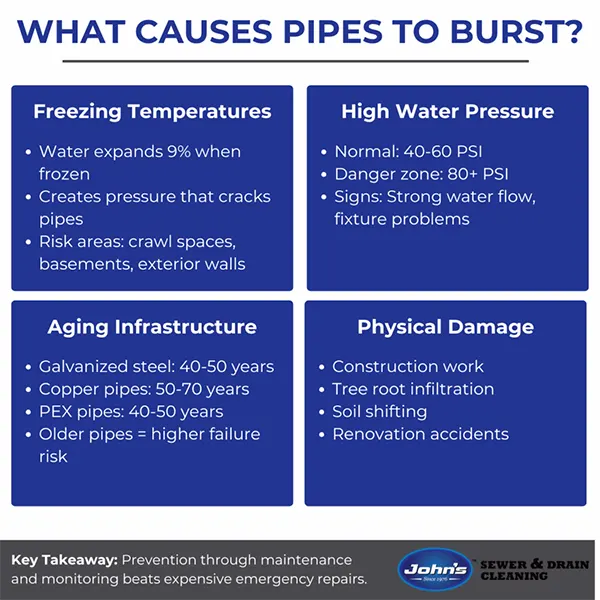
Providing this data helps experts like Emergency Plumbing North Shore services bring the right spare parts and tools with them on the first trip itself.
Warning Other Members of the Household
Family members continuing to use the utility systems after the crisis can make things worse. Hence, it’s advisable that everyone in the house gets to know about the situation to act accordingly.
You might want to leave a small note over the bathroom sink as a reminder for children or guests who might forget about the plumbing issue. Keeping everyone informed keeps the situation under control, so no new problem arises as you wait for the plumber.
Documenting the Damage for Insurance Purposes
As the situation persists, don’t forget to capture all the damage to your property. These images are helpful if you need to make a claim with your insurance company to cover the cost of new carpets or professional drying services.
Keep a record of the time the leak started and any steps you took to stop the water from spreading further through your house.
Taking Control of Your Home Plumbing Crisis
A plumber might take care of the entire crisis, but you also have to be on your toes to minimize damage until he arrives.
By following these steps, you transform from a bystander into an active participant in the safety and maintenance of your own home. Always remember that your quick actions in the first few minutes can make a massive difference in how your life returns to a comfortable and dry routine.
FAQs
Ans: Shut off the main water supply, turn off electricity in the affected area, and call a professional plumber.
Ans: The rule states that the cumulative change in direction of drain-waste-vent pipes shouldn’t exceed 135 degrees.
Ans: Verify his credentials and understand the costs.