Why Online Games Are Changing Safety Rules for Younger Players
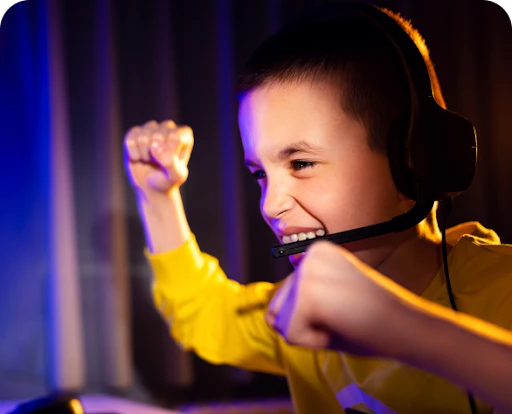
Online gaming has shown drastic changes over time. What used to be a simple video game experience on screens has evolved into an interactive space where kids chat, communicate, and even play along with people across transnational boundaries.
This evolution has led to mixed results, where on one hand it blends social interaction with gaming, whereas on the other hand it even raises safety concerns, especially for young minds indulged in these games.
This is why constructive changes with adherence to safety norms of children, better moderation systems, and monitored chat settings are coming into practise to protect the young players.
Read further to know more!
Key Takeaways
- The growing social nature of online games brings drastic changes to the gaming industry and has an impact on children
- Differentiating the online risks for adults and children to identify the uniqueness that exists in the case of children
- Understanding the limitations of the gaming moderation to best analyse the situation with the kids
- Your go-to course of action when security systems fall short in case of your kids.
The Growing Social Nature of Online Games
Online games have evolved far beyond simple gameplay. Many now function as social spaces where :
- players talk
- work together
- and spend time with one another while playing.
Also, advanced features like chat, multiplayer lobbies, and shared virtual environments make it easy to build friendships and take part in group activities.
Genres such as a space strategy game bring this to life especially well, as crew management, alliances, and cooperative missions naturally encourage players to communicate, strategize, and grow closer as a community.
On platforms that support user-generated content, players can even build their own worlds, mini-games, and events, which adds another layer of interaction.
But at times this openness can create great hurdles, such as :
- Exposure to unknown people
- Unexposed game bullying
- Severe addiction
With the changing nature of the gaming industry, developers are even focusing on creating a secure environment for the young audience.
Why Younger Players Face Unique Online Risks
The experiences of adults and children vary in online spaces. Especially when stranger interaction is readily available, the risks of unsafe experiences multiply easily.
Online games often include :
- direct messaging
- voice chat
- and shared group spaces where players coordinate activities.
These features are prominent in supporting teamwork and connection, but they also make room for strangers to start conversations with younger users.
In some cases, those conversations may move outside the game or become more private over time.
Another big challenge is scale. Modern gaming platforms make room for millions of users at a time. This means:
- an enormous amount of messages,
- voice communication,
- and user-generated content.
Automated filters and reporting tools can catch some issues, but they cannot catch everything.
In such circumstances, accurate guidance, such as how to protect kids from emerging online threats, highlights the importance of setting clear boundaries around online interactions and keeps the kids aware of fraudulent and harmful content.
That kind of familiarity makes it easier to notice concerns early and respond when something feels wrong, even for parents.
Roblox Highlights the Pressure on Gaming Platforms
Large gaming platforms that attract younger audiences often face heavier scrutiny around safety features and moderation practices compared to those that run on a small-scale.
Maintaining a safe environment becomes a greater challenge when :
- When millions of players interact through chat systems
- Indulge in shared spaces
- Rely on user-created experiences
Roblox is a strong example of how such a platform works. It allows users to create and publish their own games, which has helped it build a massive global community that includes many younger players.
Especially, with rising concerns about online interactions involving minors, platforms have started adjusting how certain features work for younger users.
Some have introduced stricter communication controls, while others have limited access to specific social features.
Similarly, Roblox now restricts social hangout spaces for users under 13.
Changes like these show how gaming companies are refining safety systems as their communities continue to expand.
The Limits of Moderation and Automated Safety Tools
Online gaming companies rely on a mix of automated tools and human oversight to monitor player behavior.
Tools such as :
- Chat filters
- Keyword detection
- and reporting systems are all designed to identify harmful interactions and remove inappropriate content.
These tools matter, especially on platforms with very large user bases.
Even then, moderation at scale is difficult. This is because gaming platforms process :
- huge volumes of messages
- voice conversations
- and user-generated content every day.
Automated systems can identify some patterns or flagged language, but they often struggle with context, subtle manipulation, or behavior that develops gradually.
Human moderators help close some of those gaps, but that work takes time and resources. As communities grow larger and more active, the process becomes even more demanding.
Because of these limits, gaming companies continue updating moderation systems and adjusting safety features for younger players.
Some of the major platforms are:
- Age-based restrictions
- Stronger reporting tools
- and clearer community standards
When Safety Systems Fall Short
Most interactions in online games are harmless, and many platforms invest heavily in tools designed to reduce harmful behavior.
Even so, no large online community can remove every risk. When serious problems do happen, both the factors of the safety system and platform responses matter equally.
Parents aware of troubling interactions can take up these actions for better security:
- documenting the event
- saving screenshots or messages
- and reporting the issue through official channels.
In more serious situations involving exploitation or sustained harmful contact, some families look for guidance beyond standard reporting systems.
In that context, learning about legal options for Roblox exploitation victims can help you with a better understanding of how accountability forms the main picture.
As online communities continue to grow, questions around transparency, reporting systems, and meaningful safeguards are likely to remain central to how platforms build trust with families.
Conclusion
In a nutshell, Online games shape how young people socialize, learn new skills, and spend time in digital communities.
This is why understanding these systems is crucial to creating a secure space that breeds creativity and connection, along with improved security.
Inhabiting a security net is no longer a precaution but is actually needed in the contemporary period.
FAQs
Ans: Online safety is important to protect our kids from any online mischief, cyberbullying, data breaches, etc.
Ans: You can protect your kids by utilising technology, such as keeping information private, keeping webcams covered when not in use, etc.
Ans: Online names, if not created with caution, can spark conflicts or invite trolls in case of offensive names.
Ans: Online gaming carries a lot of negative impacts, such as Obesity, Isolation, aggression, anger, and even violence.