What to Know Before Renovating an Old Weatherboard Home
Jump To Key Section
- Understanding the Nature of Weatherboard Construction
- Heritage Overlays and Planning Restrictions
- Structural and Subfloor Considerations
- Asbestos and Hazardous Materials
- Energy Efficiency and Insulation Challenges
- Electrical and Plumbing Upgrades
- Maintaining Character While Modernising
- Budgeting and Contingency Planning
- Final Thoughts
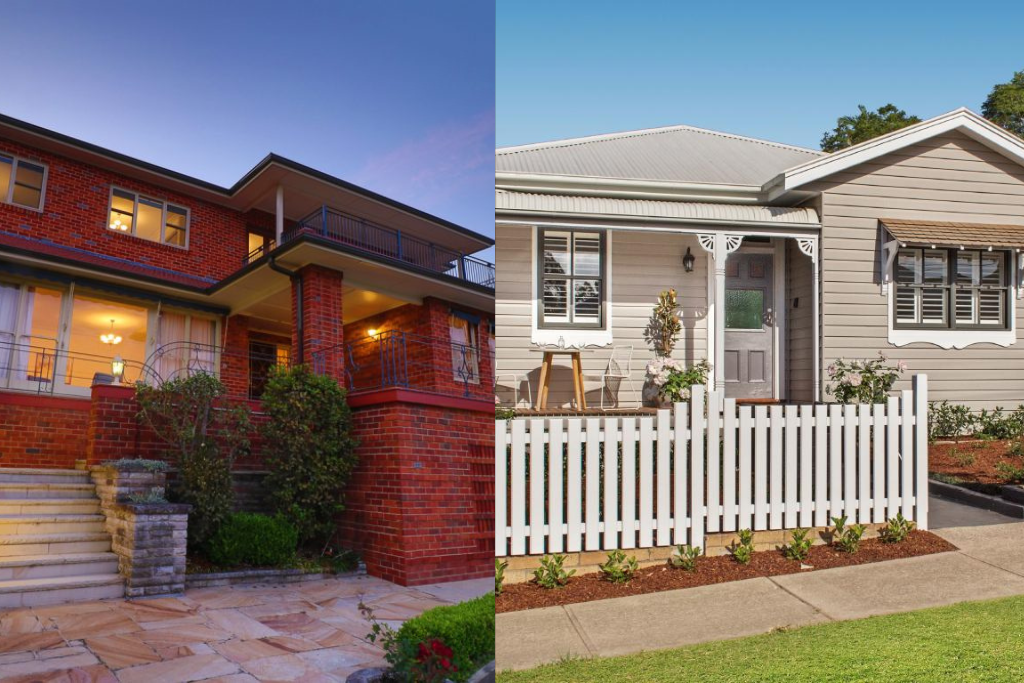
Are you looking for details that you need to know before renovating an old weatherboard home?
According to Grandview Research, the U.S. residential remodelling market size was estimated at USD 527.36 billion in 2023 and is projected to grow at a compound annual growth rate (CAGR) of 4.6% from 2024 to 2030.
This article studies the details to know before renovating an old weatherboard home, heritage overlays and planning restrictions, structural, and subfloor considerations, along with understanding home renovations Melbourne.
Key Takeaways
- Understanding the nature of weatherboard construction
- Heritage overlays and planning restrictions
- Structural and subfloor considerations
- Asbestos and hazardous materials
- Energy efficiency and insulation challenges
- Electrical and plumbing upgrades
- Maintaining character while modernising
- Budgeting and contingency planning
Understanding the Nature of Weatherboard Construction
Weatherboard homes are typically timber-framed structures clad with overlapping timber boards. While this construction method offers flexibility and aesthetic appeal, it is more vulnerable to deterioration over time than modern brick or rendered homes.
Common issues associated with such homes are :
- Timber rot
- Termite damage
- Movement in the subfloor
- Weather-related wear.
A thorough building inspection by a qualified professional is a critical first step. Identifying structural weaknesses early can prevent costly surprises later in the renovation process.
Heritage Overlays and Planning Restrictions
Many older Melbourne weatherboard homes fall under heritage overlays or neighbourhood character controls.
External alterations such as replacing cladding, modifying rooflines and altering façades require council approval. In some cases, internal changes are also regulated if the home has heritage significance.
Before finalising any renovation plans, make sure you consult your local council’s planning department or engage a town planner experienced in Melbourne heritage properties.
Failure to obtain the necessary permits can result in fines, delays, or forced rectification work.
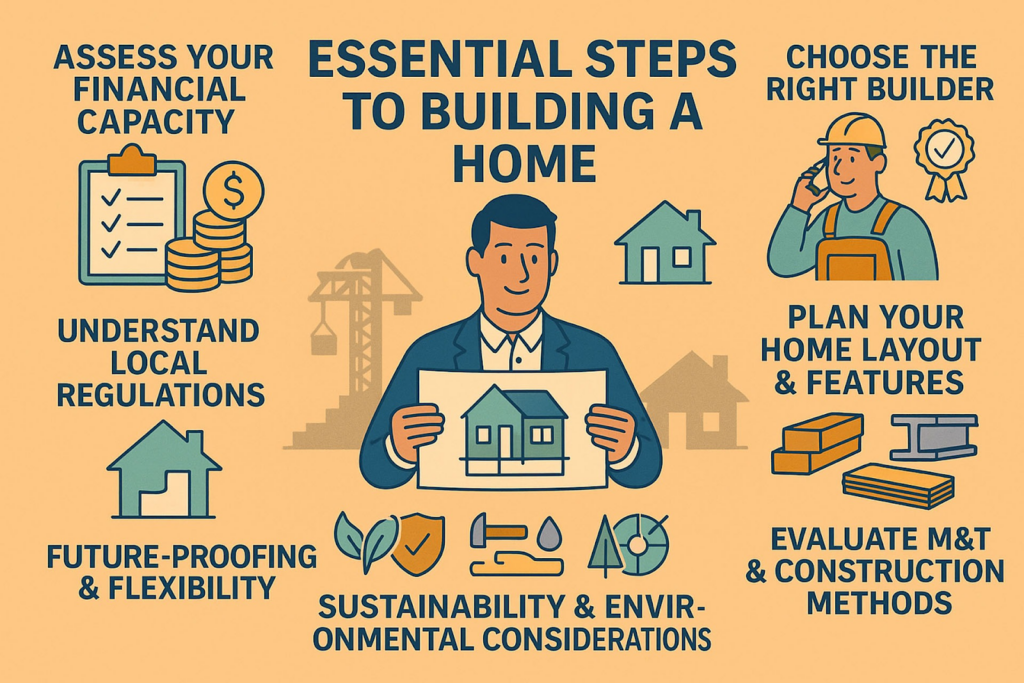
The infographic below depicts planning to make a home :
Alt text: From planning to Move-In
Structural and Subfloor Considerations
Older weatherboard homes are often built on stumps rather than concrete slabs. Over time, these stumps may sink, rot, or become uneven, leading to sloping floors and cracking walls.
Re-stumping or re-levelling may be required before any cosmetic or internal renovation work begins.
Additionally, subfloor ventilation plays a crucial role. Poor airflow beneath the house can accelerate timber decay and increase moisture levels, which may lead to mould and structural damage.
Fun fact : A brick is named based on its size, use, origin, texture, quality, and the materials used to make it.
Asbestos and Hazardous Materials
Homes built before the mid-1980s in Melbourne commonly contain asbestos, particularly in wall linings, eaves, wet areas, and external cladding.
Removal of asbestos must be handled by licensed professionals in accordance with Victorian regulations.
Lead paint is another concern in older homes. Disturbing lead-based paint during sanding or demolition can pose health risks, especially for children.
Budgeting for hazardous material assessments and safe removal is essential when renovating an old weatherboard property.
Energy Efficiency and Insulation Challenges
One of the biggest drawbacks of traditional weatherboard homes is poor energy efficiency.
Many lack adequate insulation in walls, ceilings, and floors, resulting in heat loss during winter and excessive heat during Melbourne’s summer months.
When renovating, you should :
- Consider upgrading insulation
- Sealing gaps
- Installing double-glazed windows
- Improving draught-proofing
While these upgrades may not be visible, they significantly enhance comfort, reduce energy bills, and improve the home’s overall value.
Energy-efficient improvements are increasingly important for resale, particularly in an environmentally conscious property market.
Electrical and Plumbing Upgrades
Outdated electrical wiring and plumbing systems are common in older homes.
Therefore, a comprehensive electrical and plumbing assessment should be conducted early in the renovation process. Upgrading these systems not only improves safety but also ensures compliance with current Australian standards.
Planning these upgrades alongside layout changes can reduce costs and minimise disruption.
Maintaining Character While Modernising
One of the most appealing aspects of a Melbourne weatherboard home is its period character.
Features such as:
- decorative cornices
- ceiling roses
- timber floorboards and fireplaces
- And sash windows add significant value when preserved.
Retaining period details while introducing contemporary kitchens, bathrooms, and open-plan living spaces can dramatically enhance both liveability and resale appeal.
Budgeting and Contingency Planning
Renovating an old weatherboard home often costs more than renovating a newer property due to unforeseen structural issues and compliance requirements.
Thus, it is wise to include a contingency allowance of at least 15 to 20 per cent in your renovation budget.
Engaging experienced builders, architects, and tradespeople who specialise in heritage and weatherboard homes can help manage costs and avoid costly mistakes.
Final Thoughts
Renovating an old Melbourne weatherboard home can be a highly rewarding project, offering the opportunity to preserve a piece of the city’s architectural history while creating a comfortable, modern living space.
However, success depends on careful planning, professional advice, and a clear understanding of the unique challenges involved.
Ans: Think about traffic patterns, furniture size and placement, colours, lighting and how you expect to use the remodelled space before renovating the home.
Ans: A home repair is considered urgent if it involves water, safety, or security, such as a leaking pipe, unstable railing, or broken lock.
Ans: Timber weatherboard is perfect for getting that classic warm look, while fibre cement and aluminium are sleeker options for a more modern finish. Vinyl is affordable and has lots of different choices of colour.
Ans: With a typical lifespan of 50 years, fibre cement cladding is the ideal way to enhance the weatherproofing and durability of a building, as well as giving the exterior an attractive finish.