How Technology Enhances Safety for Seniors at Home
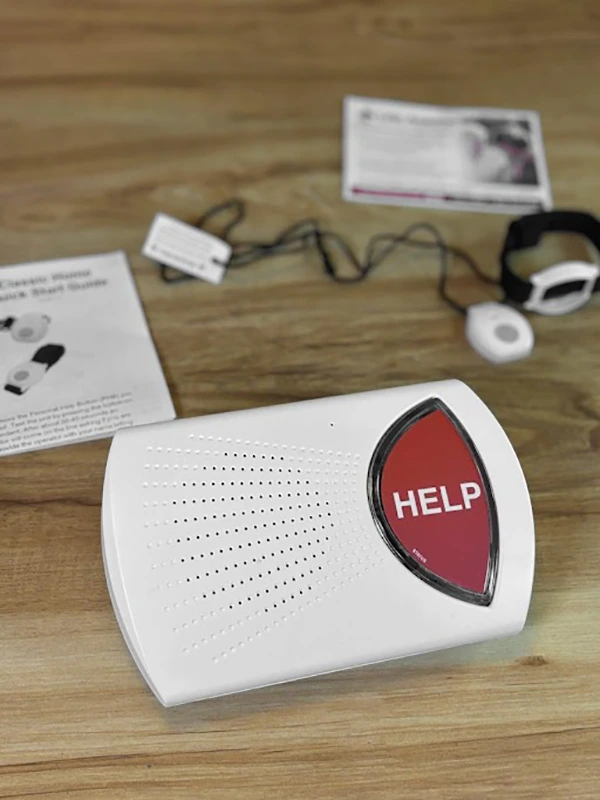
Smart tools are helping the elderly to stay at home safely. These solutions detect any potential harm before it surfaces. Foot touches the floor, lights turn on. Nobody is in the kitchen, stoves go off. Simple interventions like these prevent accidents from happening.
And they’re neither as intrusive as 24/7 surveillance cameras. All these tools work in unison, as a system. And for a home with the elderly, these are literally a boon for their lives. Fall detection tech can bring help to the elderly twice as fast (Source).
In this article, I’ll expand upon these smart home solutions. The following sections will list each one and how they can help your elderly loved ones to spend their final years inside the house safely and securely by preventing accidents.
KEY TAKEAWAYS
- Smart home solutions let your elders live safely inside houses.
- The elderly can get help in half the time with new detection tools.
- Voice-command-based tools are easier for the elderly to operate.
- Health monitoring devices have become portable and easy to use.
Building a Strong Safety Net at Home
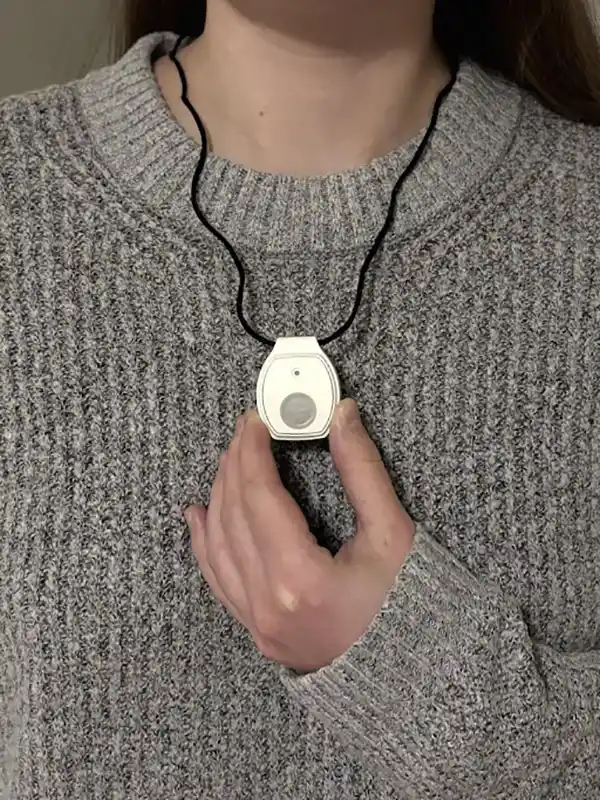
A strong safety net for the elderly brings help to them fast in case of accidents. These setups must stay simple so anyone can use them during a scare. Most folks like wearing a small button for a sense of real freedom. It kills the fear of being stuck alone with no way out.
Reliable Personal Security Systems
Picking the right personal security alarms is a huge step toward staying independent. These units link you to experts who answer calls at any hour. Most options use cell signals, so you do not need an old phone line. You can wear a wristband or a necklace based on your own style.
Fast Help During Emergencies
Speed is everything when a health crisis hits someone at home. Pros stay on the line until a medic or daughter walks in. They share your health history with the ambulance crew right away. This info helps doctors give the right care without wasting a second.
Smart Detectors for Fall Prevention
Falling on the floor might not seem to be a big issue, but it becomes one when you live alone. And for the elderly who live alone, it’s nothing less than a nightmare.
New tech can help with falls. They know the difference between a person and a pet. These do not need you to push a button to work. They send an alert the moment a body hits the ground hard.
How Motion Hardware Works
Trackers help by watching how a person moves during the day. A unit sends a note if it sees no activity for hours. This lets family check in without acting like a nosy neighbor. Here are a few ways these tools help out at home.
- Floor lamps light the path to the sink at night.
- Bed pads alert the app if someone never got up.
- Door chimes ring if the exit stays open too long.
- Kitchen tools track if a person skips their lunch.
Preventing Trips and Slips
Most spills happen in the bathroom, where tiles get very slick. Smart water alarms find a leak before a puddle forms. This stops a person from slipping while they walk to the tub. Bright lights also help by clearing up any dark spots in the hall.
Using Voice Tools for Daily Help
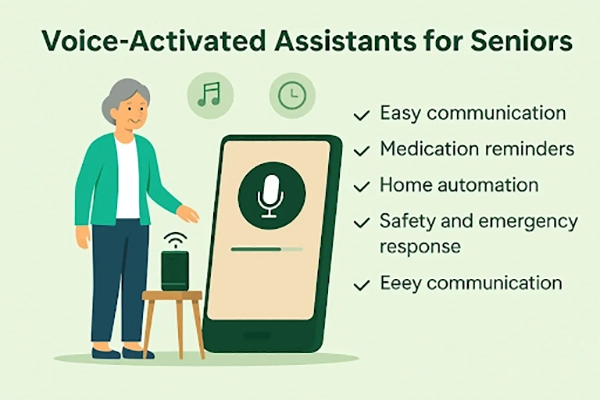
Elders lose quick mobility with aging. So, voice command-based tools are great for them. They can just talk to the air to get an answer, set timers for tea, or reminders for heart pills. The elderly can also make calls without reaching for a phone.
Setting Up Reminders
Keeping a schedule is tough as the years start to add up. Voice tech acts like a helper that never forgets a date. It manages a full day and gives a shout for every task. This keeps life on track without a nurse in the house.
Staying Connected with Family
Video calls feel easy when you start them with just a word. Seeing a smiling face helps a person feel less alone. Family can send new photos to a screen in the den. It turns a gadget into a frame for fresh family memories.
- Voice links lock the front door from the couch.
- Seniors check the rain forecast before going outside.
- Users play old songs or books by just asking.
These voice-based tools greatly help the elderly:
Better Ways to Monitor Health
Health tracking becomes a weekly chore in the life of the elderly. New tech enables blood pressure checks while you sit in a chair. This data goes to a secure app for a nurse. It allows for quick checkups without a long trip to town.
Remote Health Checking
Doctors use this tech to watch over a weak heart or lungs. If your numbers look bad, the office calls you right back. This move keeps people out of wards and in their beds. The Mayo Clinic says remote tools lead to better health.
Privacy and Data Safety
Keeping your info safe is a top goal for tech firms. Most safety gear uses tough codes to hide your private life. Pick a brand that has a clean history with user data. Read about antivirus software to learn more about staying safe online.
Choosing the Best Setup
Each house is unique, the people who live inside are also unique. Hence, the smart tool system also has to fit accordingly. Some want one button while others want a smart home. Start with just one piece of gear to see how it feels. Add more units as you get used to the new setup.
Testing the Equipment
Regular tests make sure the tech works when a crisis hits. Check the batteries and the signal at least once a month. This habit stops a failure when you really need the help. The National Institute on Aging says being ready is key to staying free.
Finding Help for Installation
Many seniors worry about the tech side of new gadgets. Pros can come to the house to set it all up. They teach you how to use the apps and commands. Having a pro do the work means no dead zones.
- Check the web signal in the far back rooms.
- Make sure the wristband feels soft on the skin.
- Try a fake emergency call to see the response.
Supporting Long Term Independence
Tech enables old people to live freely and safely. The smart tools create a home that looks out for you. Every new gadget adds a layer to your safety net.
Modern gear lets seniors live with total peace. Families sleep better knowing help is a tap away. These tools turn a house into a safe haven.
FAQs
Ans: It helps them live freely and safely.
Ans: Fall-proof the floor, better lighting, and install grab bars around.
Ans: The rule advices 40 year-olds to talk about future caregiving required by their parents (who would be around age 70).