Can Your Pillow Help With Snoring and Sleep Apnea?
KEY TAKEAWAYS
- Snoring is a typical condition that disturbs your sleep. It mostly occurs when air can’t flow smoothly through your nose or mouth.
- Sleep apnea is a potentially serious sleep illness in which breathing frequently stops and starts.
- Side sleeping can lower snoring and enhance other symptoms of OSA.
- Back sleeping increases the risk of airway blocks and deepens sleep apnea symptoms.
- In any sleep position, it is best to use a pillow that aligns your head, neck, and spine.
- Special pillows can provide relief and improve symptoms, especially in mild cases.
Do you feel tired in the morning even after sleeping for 7 to 8 hours, or wake up at night feeling breathless? If yes, then this can be a sign that you are suffering from mild sleep apnea.
In movies, TV, and even in real life, snoring is viewed as an annoying or sometimes as a funny thing, but the reality is it can be a sign of something more serious, like obstructive sleep apnea (OSA).
While there are many treatment and therapy options available, people still wonder and question if a pillow can help with sleep apnea. Well, the short and simple answer can be yes, but in the right conditions. Want to know what those are? Let’s just dive into the article and learn more about it, like its role, type, and benefits.
Understanding Snoring and Sleep Apnea
Snoring is a common condition that disrupts your sleep. It happens when air can’t flow easily through your nose or mouth. Mild or occasional snoring is not a big concern. But chronic snoring can increase the risk of certain health conditions like stroke or heart attack.
Sleep apnea is a potentially serious sleep disorder in which breathing repeatedly stops and starts. There are three types of Sleep apnea: obstructive sleep apnea, central sleep apnea, and treatment-emergent central sleep apnea. If you snore loudly and feel tired even after a full night of sleep, you might have sleep apnea.
There are a few main factors that cause these sleeping illnesses. Here are some of them:
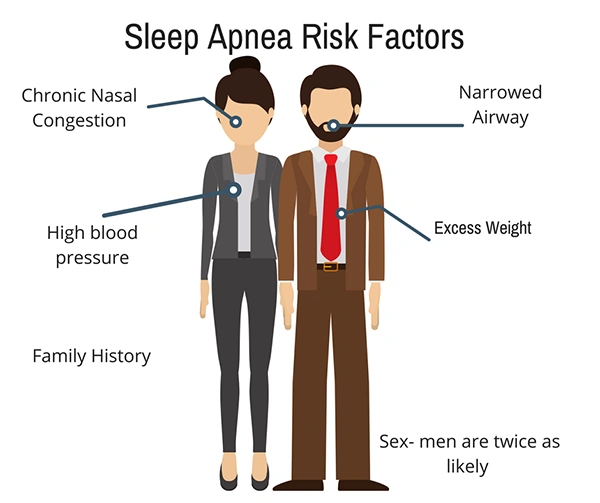
The Role of Pillow Position and Support
A lot of people underestimate the effects of the right pillow positioning and body posture while sleeping. Your sleeping posture and your pillow position can directly impact the alignment of your airway.
Here’s how your pillow can make a difference:
Spinal Alignment and Airway Opening
The right pillow keeps your head, neck, and spine in the right position. If in sleep you bend your head too far forward or backward, it can narrow down your airway, which can result in snoring or apnea events. Orthopedic and cervical pillows solve this problem, as they are made to support proper alignment.
Elevating the Head
Elevating your head can be a smart decision. It can reduce the risk of snoring and mild sleep apnea. Wedge Pillows or adjustable beds can help you achieve this position.
Side Sleeping vs. Back Sleeping
Back sleeping can increase the risk of snoring and sleep apnea. The reason behind it is gravity, as it causes the tongue and soft palate to collapse to the back of the throat. Specialized pillows, such as contour pillows and body pillows, can promote side sleeping, which keeps the airway more open.
Anti-Snore Pillows
There are pillows like anti-snore pillows that are specially designed to minimize snoring. Some of these have come with contour shapes, memory foam, or even vibration sensors to encourage side sleeping. Others came with specialized features to elevate the head and the proper alignment while sleeping.
DID YOU KNOW
According to the American Medical Association, it is believed that more than 30 million people have sleep apnea in the US.
Types of Pillows That May Help
Pillows can differ in shape, style, material, and firmness level. Finding the best option that works best for you depends on your sleeping posture and preference. As for snoring and sleep apnea pillows, there are a few categories that are generally best.
- Memory Foam Pillows
This type of pillow constantly provides support and helps maintain the alignment of the head and neck. This is important to keep the airway open.
- Wedge Pillows
These are inclined pillows that lift the upper body and help with acid reflux, snoring, and mild OSA.
- Cervical Pillow
These types of pillows are designed to support the natural curve of your neck. It prevents the head from falling into a poor position that helps maintain the open airflow.
- CPAP Pillows
For the people using CPAP (continuous positive airway pressure) machines, special CPAP helps support the oxygen mask and offer neck support so you wake up rested instead of restless.
Not every pillow works for everyone. Give yourself a few nights as a test. Before you buy any pillow, see if you can return it if it does not help with your snoring and sleep apnea.
When a Pillow Isn’t Enough
Special pillows can provide some relief or improve symptoms, especially in mild cases, but they’re not a cure for sleep apnea. If you find any signs of OSA, it is crucial to get professional help and a diagnosis. You can also get treatment like CPAP therapy, oral appliances, and weight management or, in serious cases, surgery.
Apart from this, if you are a smartwatch user, then buying Apple Watch 10,9 or Ultra can help you as they come with a special feature like ‘sleep apnea’ which measures sleeping disturbance during sleep.
However, if you are using CPAP machines or mouthguards, the right pillow can significantly enhance the effectiveness of the given treatment and make you feel comfortable, too.
Final Thoughts
A snoring or sleep apnea pillow can be very helpful for people who snore or have mild sleep apnea or especially those who are seeking comfort with CPAP machines. Although it is not a complete cure, the right pillow can support proper sleeping posture, reduce snoring, and give comfort with CPAP machines.
Now, if you or your partner are noticing symptoms like waking up tired, trouble breathing at night, or snoring, don’t ignore them. Consult a doctor and try to make essential changes in your sleeping routine, and start with your pillow.
Ans: Losing weight can provide meaningful improvement, but it usually does not completely cure the illness.
Ans: Weird breathing patterns can be a sign. This may include snoring, snoring or pausing breathing during sleeping.
Ans: To detect sleep problems, doctors usually conduct a sleep study.
Ans: In many cases, anxiety is the main cause of sleep apnea.