Learn what kind of care Colossal is planning to provide to dire wolves
Understand how Colossal is managing ongoing monitoring and transparency Learn how they are balancing research needs and welfare
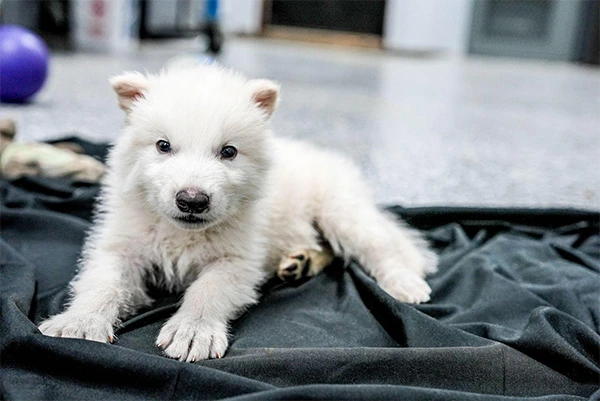
Colossal comes back with an amazing project. Any idea what that is? Yes, they announced the de-extinction of the dire wolves. It means they are bringing back the dire wolves that have been extinct for thousands of years.
The main point in this announcement was that their facility and care protocol have received certification from the American Humane Society. An important organization that is truly dedicated to animal care and respect.
Now you might be wondering why this certification is involved in this, and how it matters to bring them back. This guide explains the whole case, so read the article carefully.
A Prestigious Welfare Designation
The American Humane Society is the oldest and most respected animal welfare organization. This is an undeniable fact that this Society never gives its certification to anybody randomly.
It makes sure that the facility that is getting the certification meets the high standard of animal care and treatment. Colossal getting this certification shows that they are fully committed to their project and the welfare of the dire wolves once they bring them back.
DID YOU KNOW American Humane was founded in 1877 as the country’s first national humane organization, and in 1886, it began advocating for the rights of children as well.
The Five Freedoms Framework
There is a key concept that the American Humane Society uses in the process of approving the certification, and that is the ‘Five Freedoms’ framework. This is an internationally famous approach to animal welfare. Let’s have a look at them.
Freedom from hunger and thirst
Freedom from discomfort
Freedom from pain, injury, and disease
Freedom to express normal behavior
Freedom from fear and distress
Now, for dire wolves meeting these standards needs special protocols, but Colossal is willing to give its best. Even Genzart specially pointed out that ‘the staff is passionate, highly engaged and devoted to the animal in their care’. This clearly shows that the care part was also reviewed in the certification process.
Spacious Natural Habitats
The main thing this certification seems to focus on is the natural habitat and plenty of space. The thing is, Colossal’s preserve is 2000+ acres, which will provide dire wolves more than enough area to roam around. Also, these habitats will closely resemble the environment that dire wolves would have encountered in the wild, such as trees, open areas, and plenty of room to run.
To understand thedire wolf biology and psychology, Colossal also built natural dens for them. They also clarify that this helps them understand their species-specific behavior.
Veterinary Care and Health Monitoring
Keeping the dire wolves healthy is the topmost priority. The American Humane Society would have assessed this element as well. Let’s look at what Colossal has done to ensure dire wolves stay healthy.
Their facility includes an ‘on-site veterinary clinic’ and a ‘wolf management facility’. These facilities ensure immediate help and regular health monitoring. This also reduces the stress and time of transporting the wolves to an external facility for help.
Socialization and Behavioral Development
Socialization is very important for dire wolves and their development. Interaction with one another helps them learn essential social skills and natural behavior.
This not only makes them happier animals but also prepares them for the future if they have to return to real wildlife. Which is why Colossal currently houses three dire wolves- the males Romulus and Remus, the females Khaleesi. This will provide a small social group with species-specific interaction for dire wolves.
The certification would likely have evaluated how the social grouping is managed and if the wolves have the proper facility and opportunity to interact with others.
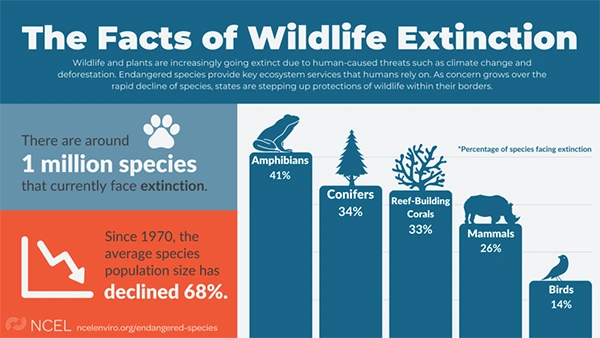
FUN FACT A UN report from 2019 estimated that about one million species are at risk of extinction, while a 2023 study found that 48% of evaluated animal species are decreasing in number.
Staff Expertise and Training
As I mentioned earlier, Genzart comments on how the staff is passionate, highly engaged, and devoted, which shows that the American Humane Society not only evaluates the physical facilities, but it also reviews the assessment of caretaker qualification and approach.
In the Colossal documentation, it is mentioned that they have employed ten full-time animal care staff to support the wolves’ mental and physical health.
There is a high chance that AHS evaluated whether the staff is fully trained to handle wolves’ behavior and health. And also, if they have expertise to work with unique animals and strict protocols.
Ethical Considerations in De-Extinction
Reintroducing an extinct species raises a lot of ethical questions. Colossal takes this responsibility very seriously and is dedicated to ensuring that all the practices used in their projects are ethical and prioritize the welfare of the animals.
Also, Genzert states that, ‘the technology they are pursuing may be the key to reversing the sixth mass extinction and making extinction events a thing of the past. ’
This statement clearly shows that the certification evaluation considered not just the immediate welfare of dire wolves themselves, but also broader ethical frameworks and conservation goals of Colossal work.
Ongoing Monitoring and Transparency
Transparency and ongoing monitoring are very important elements of the Colossal approach. By keeping an open line of communication about the care and well-being of dire wolves, they built that trust and accountability.
Also, their Interactive’s ‘dire wolf development tracker’ clearly shows that they are committed to transparent monitoring of wolf developments and health.
Industry Benchmark Setting
By achieving the American Humane Society certification, Colossal has become the first facility housing de-extinct animals who go so far.
And it sets the standard high for other animal care or research facilities. This benchmark serves as a model for other organizations.
Also, Genzert specifically highlighted that ‘Colossal is the shining example of excellence in humane care and welfare,’ which shows that their approach could serve as a model for other organizations that are doing similar work.
Balancing Research Needs and Welfare
Colossal is also focused on balancing research opportunities with the dire wolves’ welfare. While they study these animals to gain insight into their behaviours and needs, the top priority remains to ensure they are well taken care of.
This way, research can contribute to enhancing their quality of life without compromising their well-being.
Looking Forward
As Colossal continues its exciting journey of bringing back the dire wolves, the American Humane Society certification serves as the guiding principle. The central focus of their mission would remain the welfare of the animal and ethical practices.
With the certification, Colossal is committed to providing the dire wolves with a healthy, safe, and enriching environment. This thing is not only beneficial for dire wolves but also for the future of animal care and conservation efforts.
Frequently Asked Questions
Ans: Yes, Colossal Bioscience has announced the successful birth of the three dire wolf pups through a re-extinction process.
Ans: They found it in different places, like one 13,000-year-old tooth found in Sheridan Pit, Ohio, and the other 72,000-year-old ear bone underneath American Falls, Idaho.
Ans: Colossal Bioscience has received funding from investors, including George R.R. Martin, Peter Jackson, Tom Brady, Tiger Woods, and Paris Hilton, as well as other countless companies.
Ans: Woolly mammoth, Tasmanian tiger, and dodo are some animals that Colossal is planning to bring back.