Why High-Authority Domains Make Negative Content Nearly Impossible to Bury
In today’s digital world, people easily trust and believe what they see on Google. It is easy to make judgments and decide about someone or some product from Google results without even meeting that person or using that product. Especially when the information is coming from a renowned website or resource, as it gets ranked higher in Google results.
A single negative blog, article, or news from a trusted source can effectively change people’s mindset and opinion. And it becomes truly difficult to hide or outrank that content. One destructive headline from a trusted source can hide dozens of positive stories posted online.
Read this article to know why negative content on high-authority domains sticks and stays relevant for a longer time, and becomes nearly impossible to bury.
Table of Contents
- What is a High-Authority Domain, and how is it made to rank higher?
- Why does negative content on high-authority domains stick for longer?
- Real-world effect on reputation
- Why “Burying” Isn’t as Simple as It Sounds
- How to fight back strategically
What Makes a Domain “High Authority”
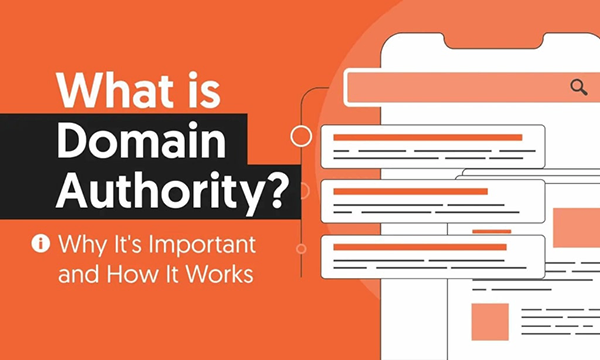
Domain High Authority means the websites and sources that are very trusted by Google, as they have been providing content that is trustworthy and available with relevant trusted links for a long time. The responses, reviews, and engagements of users are often influenced by these websites.
High Authority content has a high DA (Domain Authority) score. This score (from 0 to 100) is developed by Moz, which indicates how well the website or content will rank on the search engine result pages(SERPs). A higher score means a higher domain authority or higher visibility of content.
Sites with high authority are Wikipedia, Times of India, BBC, and more. These websites are ranked higher naturally in the Search engines. These sites have high-quality backlinks and offer an optimized site experience. Their site is well audited, and their content is link-worthy, which makes their content of ‘High Authority’.
Why Negative Content on High-Authority Domains Sticks
Negative content should be removed from Google in no time, and this is what happens. But when it comes to high-authority domain websites, such as Wikipedia, Forbes, Geek for Greeks, the content sticks for longer. Let’s understand why high authority domains stick for longer.
1. They Already Have the Search Engine’s Trust
Although, negative content is never supported by Google, and is removed as soon as it is detected. But high-authority domains such as Wikipedia have won the trust of Google, and they are already enjoying the search engine’s trust. This is why, often it doesn’t matter what content they are posting – good or bad, it will be ranked higher only.
2. They Attract More Clicks
High-authority domains are very popular and trustworthy sites, due to their continuous posting of relevant content. People also easily trust the irrelevant content posted by well-known sites, as they trust them, which attracts more clicks.
3. Negative Stories Spread Faster
Negative content easily gets attention; people are more drawn to know about the negative content only. Such posts are shared quickly, which eventually boosts their ranking, and all these reasons make such content ‘stick’ for longer.
Must-to-Know Fact
Content posted by high-authority domains, like a government website, is ranked on the first page within hours. Their DAīīī (Domain Authority), strong backlinks, and reputation make their content truly difficult to outrank.
The Real-World Effect on Reputation
Posting of even a single article from credible sources or high-authority domains can have daunting and long-lasting effects. For a specific individual, it can have a severe impact on future opportunities and jobs, as there are high chances that the employer will believe what trusted domains are saying. And for businesses, their sales can be decreased, and they can lose their customers and their trust in them.
Once one has gone through trusted high-authority domains, one does not consider other, less competitive domains, even when their positive achievements are mentioned there. First impression from the trusted sources hides other neutral information. A single negative review by a high-authority domain equals years of negative publicity by traditional media.
Why “Burying” Isn’t as Simple as It Sounds
If negative content is posted by high-authority domains, it becomes very hard to bury that. Simple tricks like publishing positive content are very ineffective in front of these trusted high-authority domains. These domains are already favored and highly ranked by Google searches, due to their strong backlinks, high credibility, and high engagement. This is why posting dozens of positive content can also not compete with a single article by a high-authority domain.
Burying content by continuously posting positive content is a very time-consuming process and needs continuous effort. Although a well-planned and long-term approach can help reshape the perspective.
How to Fight Back Strategically
It is almost impossible to directly fight back against high-authority websites. Still, some effective steps can be taken to strategically tackle this. It’s not about directly tackling the available content, but about creating a good online presence that will be noticed by search engines and valued by the users.
1. Flood the Web With High-Value Positive Content
Continuous posting of relevant and positive content, stories, and articles will have an effect in strategically tackling the negative content. With time, a strong network of positive signals will be made online that will help you to compete with the negative content available.
2. Leverage Platforms That Already Have Authority
Using platforms that can easily highlight your positive messages will allow you to take a better position in the competition. Powerful platforms such as YouTube, LinkedIn, and Twitter are already ranked well, which will allow you to spread your positive messages at a high pace.
3. Invest in Professional Reputation Management
Another effective step is to take help from a reputation management professional who uses SEO, PR, and digital strategies to reshape the available negative content. They have a good understanding of how to add worthy backlinks and optimize positive content.

Final Thoughts
High-authority domains have a strong command in the digital world, which allows their negative content to stay on the online platforms to rank higher for a longer time. Due to their credibility and favour by Google searches, it becomes truly difficult to compete with them.
However, some effective steps can be taken to fight back strategically. This includes posting high-quality positive content for a long time, using platforms that already have a high authority, and seeking help from the reputation management professionals who very well know how to deal with such a situation. Concluding it, this will not be a one-time effort. Fighting back will require continuous and strategic tackling of the negative content.
FAQ’s
Ans: It is a score between 0 to 100 that indicates how well your website will be ranked on search engine result pages (SERPs). It is developed by Moz.
Ans: Users are interested in negative stories. This is why they are more shared than the positive ones, which also increases their ranking and SEO.
Ans: It can have a huge impact on the job of an individual, as there are more chances that the employer will trust in the high-authority domains. Barely, future opportunities will be provided.
Ans: Reputable platforms such as YouTube, Twitter, and LinkedIn can be used to fight back strategically. These platforms can spread the positive content at a high pace.