Collaborative Efforts in Addressing Cyber Threats: A Closer Look
Key Takeaways
- Public-Private Partnerships (PPPs) Are Crucial because they form a powerful synergy for threat detection and mitigation together.
- Human Error is a Leading Weakness for cyberattacks, which can only be cured by training programs and awareness campaigns.
- Advanced technology like AI, cloud-based platforms, and blockchain helps in detecting the threat faster while enabling seamless cooperation across sectors and borders.
- Equal access for small and medium-sized businesses is a key to global security.
- Cyber ranges and drills help in improving the inter-organizational coordination and response capabilities when under pressure.
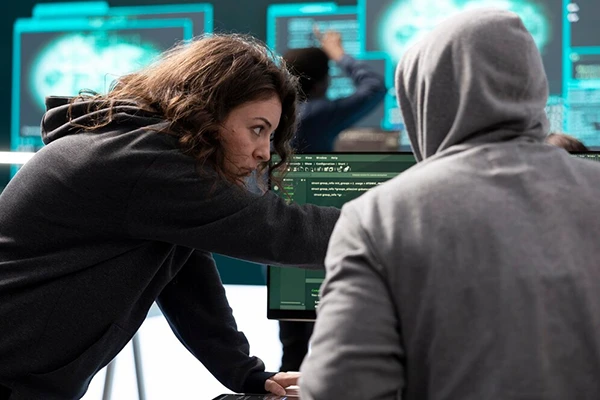
“Cybersecurity is much more than a matter of IT.”
– Stephane Nappo (Global Chief Information Security Officer)
Do you know that a single vulnerability in a software supply chain can compromise almost 18,000 organizations worldwide— a type of cyberattack that could destroy your business overnight? Yes, it is not a hypothetical scenario, but a real-world crisis that has taken place in recent years.
For example, the 2020 SolarWinds was a supply chain attack that has entered U.S. federal agencies and Fortune 500 companies; meanwhile, the 2021 Colonial Pipeline ransomware incident has directly disrupted the fuel supply across the southeastern United States. (Source: TechTarget) In fact, global cybercrime damages have already reached $8 trillion in 2023, which is expected to grow to $10.5 trillion by 2025. (Source: GetAstra)
Now, with this data, one thing is 100% proven: that no single entity, be it public or private, can stop it alone. And the only way to do it is with the collaboration of both. So here in this article, we will explore the strategic and technological ways of collaborative cybersecurity efforts. Let’s begin!
The Position of Public-Private Partnerships
Public-private partnerships (PPPs) are the foundation of modern cybersecurity strategies. How? Because the Government has the needed infrastructure and legal authority, while the private companies have control over vast networks, data archives, and innovative technologies. Now, when these two things come together, they create a synergy that will improve threat detection, mitigation, and response.
To understand it better, hear this example of how Fortinet mitigates and discloses vulnerabilities: Fortinet, which is a leading cybersecurity firm, is working closely with government bodies and industry stakeholders to identify and patch vulnerabilities before they are exploited. This company is setting standards for transparent and responsible cybersecurity behavior by engaging in open disclosure practices and providing detailed advisories.
This type of collaboration also plays an important role in national cybersecurity strategies. Like, the U.S. Cybersecurity and Infrastructure Security Agency (CISA) works together with tech companies and critical infrastructure providers to make the defenses against foreign cyberattacks stronger. Same way, the European Union’s NIS Directive has also made cooperation between private operators of essential services and national cybersecurity authorities mandatory.
Fun Fact
Cyberattacks happen every 39 seconds on average. That means by the time you are done reading this sentence, another system somewhere may have already been attacked!
Improving the Reliability and Proactiveness of Intelligence Sharing
Doing things at the right time is the key to doing it the right way. Same way, sharing the intelligence on time and in an accurate way is essential for staying ahead of cyber adversaries. With the help of this, Organizations can easily anticipate and act before any damage is done. But this process needs a high level of trust, legal clarity, and technological infrastructure.
Different initiatives, like the Malware Information Sharing Platform, are central to this collaborative model. It is an open-source threat intelligence platform that allows companies to share indicators of compromise (IOCs), tactics, techniques, and procedures (TTPs) in real time. The decentralized architecture of this platform allows its users from different industries and jurisdictions to collaborate without compromising any type of sensitive data.
The value of such platforms is visible at the time of coordinated global campaigns like ransomware attacks. When one of them identifies a new malware, they immediately upload it to the MISP, which allows others to update their defenses immediately; hence, no windows for vulnerability.
Collaborative Incident Response
In a case of cyberattack, time is of the essence. And this collaborative model helps you with exactly that by bringing teams together from different organizations to assess, contain, and remediate threats quickly. This approach avoids duplication, improves situational awareness, and makes sure that a unified response is given to complex threats.
Computer Emergency Response Teams (CERTs) and Information Sharing and Analysis Centers (ISACs) are some of the important players in this field. CERT usually coordinates at the national level, providing technical support and coordination during big incidents. On the other hand, ISAC is a sector-based group that provides accurate information and joint response strategies within industries like finance, healthcare, and energy.
For example, you can look at the times of the SolarWinds supply chain attack where public agencies and private firms worked together to find the origin of the attack, assess its impact, and issue mitigation guidelines. Such incidents show the importance of rapid communication channels and trusted collaboration between stakeholders in urgent times.
Fun Fact
Established tech companies like Google, Facebook, and Microsoft run bug bounty programs that pay ethical hackers in thousands and sometimes in millions too. And all of this just for reporting system flaws instead of exploiting them.
Training and Awareness for a Defensive Stance
Technology is needed against cyberthreats, but it can not defend here alone, though human awareness is equally important too. Cybercriminals usually target human error through phishing, social engineering, and poor password quality.
In fact, it is proven by IBM’s 2023 Cyber Security Report that 95% of cybersecurity breaches are primarily caused by human error. And this is why training and awareness programs are considered a vital component of collaborative cybersecurity strategies.
These joint training exercises between government agencies and private companies help in detecting cyberattacks, allowing participants to test their response capabilities and refine protocols. Such simulations are referred to as “cyber ranges,” which help in improving coordination and decision-making under pressure.
Moreover, the initiatives taken by industry, such as Cybersecurity Awareness Month, also help in promoting best practices and circulating educational resources to the public. These programs motivate people to act as the first line of defense against cyber threats by creating a culture of protection-mindedness.
The Impact of Technology on Collaboration
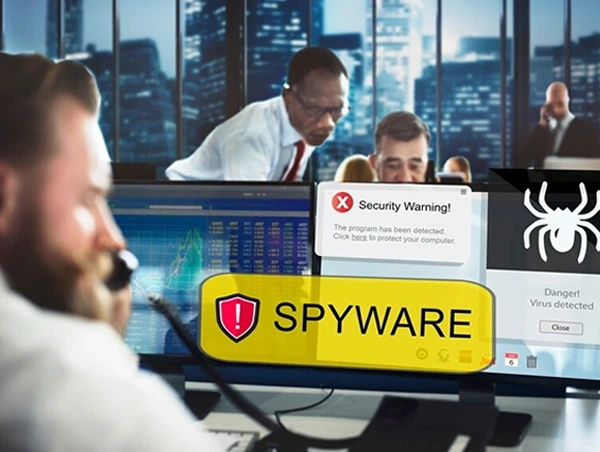
The growing technologies have not just transformed the nature of cyberthreats but have also opened new opportunities for collaboration. Other technologies like Cloud-based threat intelligence platforms, artificial intelligence (AI), and blockchain are reshaping how organizations coordinate and respond with each other.
For example, we can take AI here, as it is used for analyzing huge datasets from different entities to know about the emerging threats at an unmatched speed. Machine learning models again help in improving time and learning from shared data to become more effective in detecting irregularities and predicting attacks.
Now, as the collaboration is becoming so damn sophisticated technologically, it is important to ensure that these tools are available for both small and medium-size businesses also. In fact, I feel equal access to collaborative technologies is the real key to building a globally resilient cybersecurity ecosystem.
Want to take the next step? Learn more about how you can secure your business data with cybersecurity measures to safeguard against evolving threats.
FAQs
Ans: Collaborative efforts bring different expertise, data, and resources from both the public and private sectors together, which obviously allows for a more effective and unified defense against cyber threats.
Ans: It contributes by allowing organizations to share threat intelligence immediately, helping others quickly adapt their defenses and reducing the chances of emerging threats.
Ans: It grows awareness and preparedness, which then helps others in recognizing and responding to threats effectively. Hence, no breaches caused by human error.
Ans: Yes, they can access the valuable intelligence and support to make their cybersecurity posture strong through industry groups, training programs, and open-source platforms like MISP.
Reference