How to Respond Legally to Requests for Live-in Aides in Rental Units
Jump To Key Section
KEY TAKEAWAYS
- Live-in aides must be allowed as legal accommodation for disabled tenants.
- Landlords cannot charge extra rent or require tenant applications from aides.
- Reasonable documentation is enough to make requests.
- Consulting a disability lawyer ensures your lease stays legal and respectful.
- Aide housing must end when their support for the tenant ends.
Under 24 CFR § 982.316, the U.S. Department of Housing and Urban Development (HUD) requires Public Housing Authorities to accept live-in aides as reasonable accommodations for disabled tenants.
Requests for a live-in aide, when a tenant needs assistance with daily care, feel unnecessarily complicated for landlords and property managers. But there is also an opportunity to comply with laws such as the Fair Housing Act while maintaining positive relationships with tenants and avoiding discrimination claims or discrimination violations.
This article will specify what your legal obligations are concerning requests for live-in aides. We will define reasonable accommodation, then walk through how to document the request, screen, and best practices for compliance and fair treatment of tenants.
Understanding What Qualifies As A Live-In Aide
A live-in aide plays a bigger role than just being a roommate. In housing law, a live-in aide refers to a person who lives with someone with a disability and is important to their care. They don’t pay rent, aren’t considered tenants, and may stay only while the disabled person needs housing.
Any requests from disabilities for a live-in helper can be made in any way, and landlords have to be responsive to all inquiries. Landlords may review documentation justifying the aide, but shouldn’t request full medical records or probe into the tenant’s disability.
In many instances, just having a brief note from a healthcare provider meets what is required by law.
Recognizing The Landlord’s Legal Obligations
Upon a tenant’s request for a live-in aide, landlords are obligated to take part in the interactive process. This means landlords must talk with the tenant to find ways to meet the request while following the lease.
People unable to provide a live-in aide to a tenant can be accused of violating disability law and potentially be open to legal or human rights complaints. Additional conditions for the aide must not violate disability protection laws.
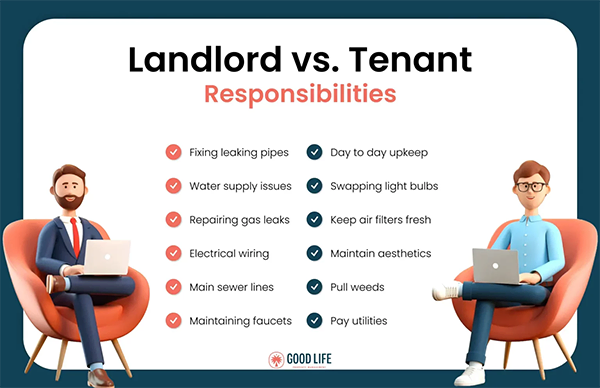
For example, asking for more rent or insisting that the aide completes a tenant application is forbidden. Assistance for the Congress member is a need, not a want, and must be treated accordingly. Below, you can see the responsibilities of the landlord and the tenant.
Addressing Occupancy Limits And Lease Terms
An issue that many landlords have is making sure letting a live-in aide does not surpass the number of people allowed under the lease or violate its provisions. However, housing laws require landlords to allow tenant adjustments, even if they conflict with lease rules.
Occupancy limits might need adjusting so the disabled tenant can better use the required space. Landlords are recommended to document their chats with the tenant regarding their request, noting any worries shared and what they propose to solve the issue. This record can be important if disputes arise later.
If landlords are not sure how to keep their leases in line with the law, consulting a LTD Lawyer Toronto can help simplify matters. Having a disability law expert assist with lease changes ensures tenant rights and shields the owner from liability.
Managing Property Access And Privacy Concerns
Landlords should make sure that the live-in aide does not disregard the building’s noise-free times, safety measures, and rules on guests. At the same time, these rules must be balanced with the tenant’s right to appropriate accommodation.
A live-in aide should be given the same rights as other tenants and cannot be kicked out on the landlord’s whim. The tenant’s status is legally protected as part of their right to disability-related assistance. When a landlord’s concerns about a worker’s conduct arise, it is significant to deal with it with care.
Disruptive or unsafe behavior should be addressed, but not penalize the person needing assistance. In such cases, one should keep a record of the problem, speak politely about your concerns, and talk to a long term disability lawyer if you need further advice.
Preparing For The End Of Tenancy Or Aide Transition
The landlord is not bound to permit a live-in aide to continue living in the property if they are no longer the tenant’s helper, or decide to move out on their own. Because the aide isn’t a tenant, they may stay only while assisting the disabled person.
For this reason, it is necessary to confirm and write down the aide’s status when establishing the arrangement. Landlords should treat a new aide with the same care as the original tenant.
It means checking the agreements and making sure the new aide qualifies as fair accommodation. Staying following the law is key, and an LTD Lawyer Toronto supports building owners throughout the changes in building standards.
PRO TIP : Make sure to include a written agreement with the aide outlining their role and end-of-stay terms to avoid future disputes!
Building A Compliant And Respectful Rental Environment
Handling in-home care requests involves developing a facility that is welcoming to everyone and by the law. If building owners take their duties seriously and honor these requests, they often build strong tenant relationships and avoid legal issues.
Landlords can turn to a long-term disability lawyer to clarify and manage the specifics of disability law. Respectfully communicating with the tenants, documenting all issues, and consulting a lawyer when required are necessary for handling requests for live-in aides successfully.
In this way, building owners are both lawful and help provide superior living chances for individuals with long-term impairments.
Ans: No, landlords are required to accommodate a request for an aide to live in that unit when a tenant’s disability is documented. If they don’t, they are violating federal housing and anti-discrimination laws.
Ans: No, a live-in aide is not a tenant, does not pay rent, and cannot be required to fill out a rental application or lease agreement.
Ans: Once the aide is no longer helping, they can no longer live there, and must vacate the unit as provided in law.