Enhancing Video Content: A Strategic Approach to Music Integration
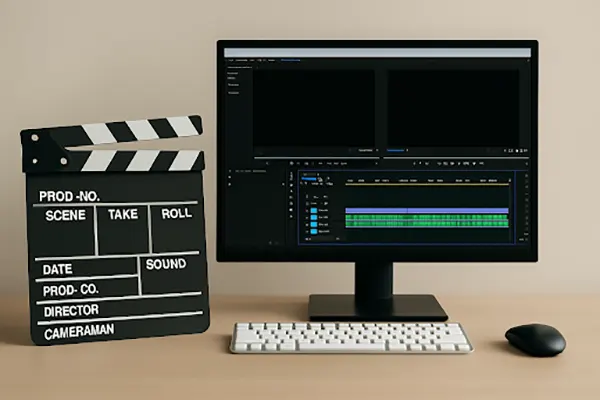
Music has grown well beyond its role as an artistic consideration to be a critical part of the finished video. It is affecting how viewers respond emotionally, the way viewers perceive what the creator is trying to say, and keep engaged with the content longer.
No matter if you’re building a simple 15-second TikTok video or add music to video for YouTube, choosing the right background song will help create the emotional atmosphere needed to help engender emotional engagement with the content. You can learn how to use music and sound effectively in order to convert scrollers into loyal viewers.
This guide will explain some technical obstacles associated with using music in your video and help you adhere to copyright laws to avoid any copyright strikes from YouTube. By learning to effectively combine visual images with music and sound, you can ensure that your messages will be remembered by your intended audience.
KEY TAKEAWAYS
- Music enough to set a particular mood provides an additional emotional attachment for the audience to the film.
- YouTube and TikTok promote videos that have quality audio/visual elements that are engaging and have an integrated feel.
- With proper use of audio ducking, background music does not interfere with important dialogue.
The Impact of Music on Video Engagement and Viewer Retention
Music isn’t decorative—it’s functional. Research consistently demonstrates that videos with appropriate background music achieve higher completion rates than silent equivalents. Soundtracks can be used to direct the emotions of the viewer and underscore vita points, as well as produce lasting memory connections between the company and brand, message, and the viewer.
Algorithms of different platforms identify these increased levels of viewer interaction associated with Soundtrack content. The quality of Soundtrack content used in YouTube videos leads to higher YouTube ranking and recommendations on the YouTube platform. With Instagram and TikTok, platforms focus on retaining viewers longer on evolving content. Soundtracks play a large role in viewer retention.
According to DAC Group’s analysis, 68% of social media users discover new music through short-form video content, with music being a central feature in 90% of the most-viewed videos on major platforms.
The psychological impact of music in video cannot be overstated. Upbeat tracks increase perceived energy and positivity. Dramatic scores heighten tension and importance.
Ambient-type soundtracks create calm, focused attention. Marketing teams utilize the association between a Soundtrack and a company’s logo or brand, leveraging a consistent audio identity. A viewer might not remember specific dialogue, but they’ll recall how a video made them feel, largely influenced by music choices.
Selecting the Right Music for Your Video Content
Music selection separates amateur content from professional productions. The ideal Soundtrack gives emphasis to the message but does not distract from the message; it will also be in line with the identified preference for the audience.
Matching Music to Content Purpose and Audience
The required use of different Soundtrack types varies throughout varied content types. For example, instructional Videos earn maximum audience viewing by employing subtle Soundtrack background music that doesn’t compete with the Voiceover Education explanation.
Marketing content uses energetic music that conveys brand personality and motivates action. Documentary-style videos employ emotional scores that underscore storytelling without manipulation.
Music Selection Criteria:
- Mood alignment with content tone – Ensure music emotional quality matches your message; uplifting tracks for positive content, serious tones for professional presentations
- Tempo matching visual pacing – Fast-paced editing in Videos requires the use of energy-driven tracks, while slow-paced or contemplative Video segments require the use of calmer Soundtrack music.
- Genre appropriateness for audience – Consider demographic preferences; younger audiences respond to contemporary trends, professional content suits neutral instrumental tracks
- Licensing and copyright compliance – Use only royalty-free music, licensed tracks, or original compositions to avoid copyright strikes and legal issues
- Cultural sensitivity and relevance – Select music that resonates with target audience cultural context without appropriating or misrepresenting traditions
Soundtrack music should provide support for a company’s message without overshadowing it. When there is narration, the Soundtrack music should also be present in a low-level capacity that contemporaneously provides support to the overall delivery of the message without distracting from it. Pure visual sequences allow music to take prominence, driving emotional response and maintaining engagement during transitions.
Technical Best Practices for Audio Integration
Adding music to video involves more than importing an audio file. Professional results require attention to mixing, timing, and technical specifications that ensure consistent playback across devices and platforms.
When creating videos with Soundtracks, the video production team needs to do more than simply add audio tracks; instead, they need to create an accurate and professional audio mix to produce quality audio sound delivery on all Video-viewing platforms and devices. Poor mixing creates jarring experiences where viewers constantly adjust volume or miss important information because music drowns out speech.
Balancing Music and Dialogue
Many audiences will put up with some visual imperfections or lower quality video portions of content, however, if they cannot hear or understand the Audio portion of the video, then they will turn off the video. Creators can also add subtitles to video so key dialogue and information remain clear, even when the audio is difficult to hear.
Strategic volume management keeps all audio elements clear and purposeful.
Audio Integration Techniques:
- Apply audio ducking to dialogue sections – Automatically reduce music volume when speech occurs, typically dropping background music 10-15 decibels below voice levels
- Use fade-in and fade-out transitions – Gradually introduce and remove music rather than abrupt starts and stops that jar viewer attention
- Match audio bitrate to video quality – Use 128kbps minimum for compressed web video, 256kbps or higher for high-quality productions
- Normalize audio levels across clips – Ensure consistent volume throughout the video to prevent viewer frustration with constant volume adjustment
- Export in appropriate formats – MP3 offers good compression for web, WAV preserves maximum quality for professional distribution
When video is cut to music, it provides a sense of rhythm and intention, greatly enhancing production quality. When an action sequence occurs at a musical crescendo, this increases the impact of the action.
According to Statista’s music streaming data, global music streaming continues growing, reflecting audiences’ expectation for quality audio in all content. Viewers accustomed to high-fidelity music services notice and judge poor audio integration in video content.
Creating Consistent Audio Experiences Across Platforms
Each platform imposes unique audio requirements that affect how your music translates to viewers. Full stereo audio with high bit rates are supported by YouTube while Instagram has heavy compression on audio files and TikTok places emphasis on music as the centre of content. Understanding these differences ensures your audio strategy works everywhere you publish.
Mobile viewing dominates video consumption, meaning most viewers experience your content through smartphone speakers or earbuds. To optimise for the small speaker’s limited dynamic range, it is important to optimise audio for such speakers. Bass-heavy tracks do not have the same level of impact when played from a phone speaker compared to more powerful speakers. Content must sound good on laptop speakers, professional monitors, and smartphone audio equally.
Audio Strategy Implementation:
- Create audio brand guidelines – Define preferred music genres, volume standards, and mixing approaches for consistent application
- Build curated music libraries – Collect licensed tracks organized by mood, tempo, and use case for quick access
- Test across multiple devices – Review audio mix on various speakers and headphones before publishing
- Monitor engagement metrics – Track completion rates and audience retention to identify whether music choices enhance performance
- Update selections based on feedback – Audience comments and engagement data reveal whether music resonates or distracts
FAQs
Ans: Audio ducking is a method that decreases the volume of music when someone is speaking.
Ans: Using copyrighted material without obtaining a license can result in a copyright strike, regardless of the amount you use.
Ans: Music positively impacts your video’s performance on search engines by increasing viewers’ engagement levels and time spent watching.
Ans: Royalty-free means that you can purchase a license for a piece of audio once and use it multiple times without having to pay again.








© 2026 allinsider.net All rights reserved