What Is UX Research – and Why It’s Critical for Digital Products
Jump To Key Section
- What UX Research Actually is (and What it isn’t)
- Why Assumptions Quietly Damage Digital Products
- The Types of UX Research That Actually Change Products
- What UX Research Changes Inside a Company
- The Hidden Cost of Skipping Research
- Why Research Becomes Critical in Complex Products
- Research is Not Validation Theatre
- When UX Research Becomes Strategic
- The Real Role of UX Research
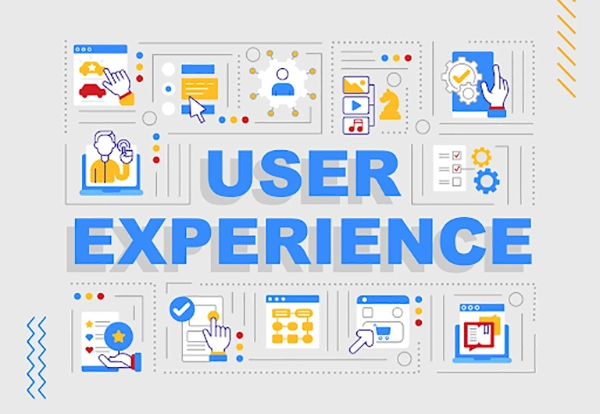
Why do most products fail even while looking fresh and new with all their flashy looks, even though it was never a design or feature issue? The real reason may shock you.
The products fail because they don’t do any research on how users think, decide, and move through the product. They don’t give a thought to UX research.
This guide explains what UX research actually consists of and why it has become vital for products that look to design around behaviour.
Key Takeaways
- Different types of UX research that actually matter and give a fresh look to products
- The cost that products pay when skipping user research
- Strategic use of UX
- The real benefit and application of prioritising UX research
What UX Research Actually is (and What it isn’t)
UX research is not asking users which colour they prefer.
It’s not sending out a post-launch survey and calling the results insight. At its core, UX research is a structured investigation into:
- how users approach a task;
- where they pause;
- what they misunderstand;
- what they expect to happen;
- What actually happens instead.
It is the study of the behaviour of something, not just an opinion. Users don’t really tell what the pain points are; instead just accept it and slowly transition out of using the product.
Research looks beyond polite feedback. It focuses on what people actually do when no one is watching, say the experts at StanVision.
Why Assumptions Quietly Damage Digital Products
Every product team operates on a belief:
- “We think users want more flexibility.”
- “We assume this feature will reduce confusion.”
- “Our competitors do it this way, so it must work.”
Sometimes those assumptions are correct. Often, they’re expensive.
Internal confidence of a team is challenged by UX research, as it forces clarity of a designa dns implicity before engineers spend time developing it.
It asks uncomfortable questions:
- Are users genuinely struggling here?
- Do they even notice this feature?
- Is this step necessary, or is it internal complexity disguised as functionality?
Without research, product decisions feel decisive. With research, they become deliberate.
There’s a difference.
The Types of UX Research That Actually Change Products
Research doesn’t need to be academic to be powerful. It needs to be intentional. The most impactful methods are often straightforward.
User interviews
Not “Do you like this?” But: “Walk me through how you currently solve this.”
The target isn’t seeking approval; it’s more about understanding models and how users think about the problem in your product before it even enters the picture.
When their language differs from yours, that gap matters.
Usability testing
Watching someone attempt a real task inside your product. No guidance. No hints.
Where do they hesitate? Where do they click twice? Where do they scroll back up to look for confirmation?
One usability session can reveal more friction than weeks of internal debate. Because hesitation is visible. And visible hesitation is fixable.
Behavioural observation
Session recordings and interaction data expose recurring patterns.
If multiple users hover over a non-clickable element, it’s not random. If they repeatedly abandon at the same step, it’s not a coincidence.
It’s a signal that the interface isn’t aligning with expectations.
Discovery research before building
Research shouldn’t start after launch.
Before adding a new feature, mature teams validate:
- Is this problem frequent enough to matter?
- How are users solving it today?
- What would a genuinely better solution look like from their perspective?
Building without validation increases risk. Research reduces it. Not completely. But significantly.
What UX Research Changes Inside a Company
UX research doesn’t just improve interfaces. It changes conversations:
- Instead of: “I think this layout is clearer.”
The discussion becomes: “Users consistently miss this action.” - Instead of: “This feels cleaner.”
It becomes: “Three out of five participants couldn’t complete the task.”
Research removes ego from product discussions. And when ego leaves, clarity improves.
That shift alone elevates product maturity.
Fun Fact
According to sources, 32% of customers leave a brand they loved after one bad experience.
The Hidden Cost of Skipping Research
Skipping research feels efficient. You move straight into design. You ship faster. You avoid “extra steps”.
Until the cost surfaces later:
- features no one adopts;
- onboarding that requires explanation;
- support questions that repeat weekly;
- redesigns that could have been prevented.
Research doesn’t slow momentum. It prevents avoidable detours.
There’s a difference between moving fast and moving blindly.
Why Research Becomes Critical in Complex Products
In SaaS, fintech, AI platforms, or data-heavy systems, cognitive load is already high.
Users don’t waste time with failed design; if the interface isn’t in line with what they expect, they just end up leaving it altogether.
UX research reveals:
- where complexity is acceptable;
- where it becomes overwhelming;
- where simplification builds confidence instead of removing capability.
Complex products don’t need to be simplistic. They need to feel understandable.
Research defines that line.
Research is Not Validation Theatre
There’s a difference between genuine investigation and confirmation bias.
If research is designed to prove a pre-existing decision, it isn’t research. Its performance.
True UX research sometimes invalidates your favourite idea. It may show that a feature isn’t needed. Or that the problem is different from what you assumed.
That’s not a setback. It’s clarity before cost.
Strong teams treat uncomfortable findings as direction, not threat.
When UX Research Becomes Strategic
UX research becomes strategic when it:
- informs product direction before engineering begins;
- shapes prioritisation;
- clarifies user language that influences positioning;
- reduces redesign cycles;
- increases confidence in decision-making.
At that point, it’s no longer a UX activity. It’s risk management. It’s alignment. It’s discipline.
The Real Role of UX Research
UX research isn’t about pleasing users.
It’s more about how they want your products to solve certain problems; this method exposes gaps between what is needed and what is presented to the user. Between what a design team thinks is essential and what users actually experience.
Design without research is an assumption. Research without action is reporting.
But research that informs real product decisions? That’s where digital confidence comes from. And in competitive markets, confidence compounds.
Ans: It is the user experience research of a product; it includes studying what the user actually wants in the product and how they feel about the whole interaction.
Ans: The following are the types of UX research that change products:
- User Interviews
- Usability testing
- Behavioural observation
- Discovery research (pre-building phase)
Ans: If UX research is ignored, it results in features that nobody asked for, redesigns at later stages, regular support questions, and less clarity of the product interface.
Ans: The following are the benefits of UX research:
- Reduced development cost
- Increased sales
- Validation of designs
- Improved overall experience










© 2026 allinsider.net All rights reserved