How to Check if an Apartment Gets Excessive Street Noise

Street noise is a common concern for tenants who look to move into new apartments. Emergency services, construction, nightlife, and businesses are some of the sources of sound that may affect sleep and concentration.
Some noise is normal in urban areas, but constant high levels of sound are often inconvenient. A thorough inspection helps people determine if an area is quiet during regular hours.
Here’s how you can identify if your apartment faces excessive sound problems due to various factors and stay informed.
Key Takeaways
- Areas are often louder during rush hour or late evening than during a scheduled viewing
- A tenant should stand near closed windows to listen for traffic or voices
- Walls shared with elevators, stairwells, or garbage areas are also sources of noise
- Planned developments or road projects are indicators that an area will become louder
Observing the Surrounding Streets
The first step is the examination of roads near the building – Intersections with many vehicles, bus routes, and commercial streets are sources of high sound levels.
Areas are often louder during rush hour or late evening than during a scheduled viewing. Traffic lights, public transit stops, and loading zones are indicators of high activity.
Nearby businesses and public spaces are also important – Restaurants, schools, and entertainment venues are sources of noise depending on their hours of operation.
Apartments near retail areas are subject to delivery trucks or customer activity. People looking at apartments for rent Langley or other developing areas should monitor streets with new construction, as business growth is a cause of increased noise.
Visiting the Apartment at Different Times
Multiple visits are effective for the evaluation of noise. A unit is often quiet in the afternoon but loud during morning traffic or evening social events.
Visits during peak commuting hours help determine the amount of traffic noise that enters the rooms. Evening visits reveal sounds from nightlife or pedestrians that are absent earlier in the day.
Weekend visits are useful because neighborhood activity is different than on weekdays.
Residential streets are often crowded with visitors or outdoor gatherings on Saturdays, besides Sundays. Listening from inside and outside the building allows a comparison of noise patterns that affect comfort.
Examining Apartment Windows
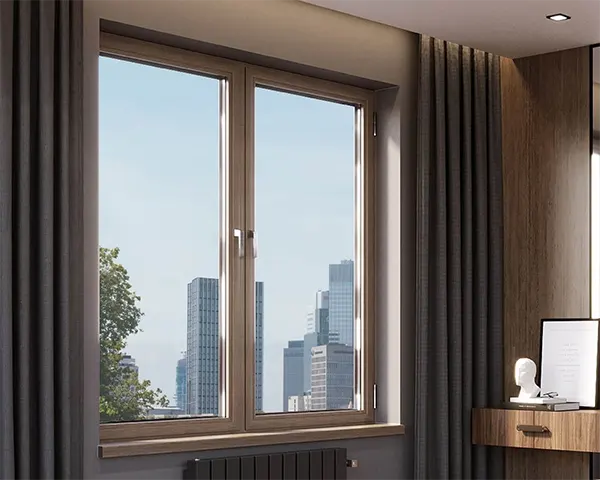
Windows are the primary barrier for outdoor noise – Thin glass and old frames are often the reason street sounds travel into an apartment.
A tenant should stand near closed windows to listen for traffic or voices. Sound insulation is limited if these noises are clear while the windows are shut.
Physical gaps around window frames are also a concern – Damaged seals are paths for air and sound to enter the unit.
Double-pane windows prove to be more effective for sound reduction than single-pane windows. It is also important to check if the windows seal tightly, as loose fixtures are noisier during wind or heavy traffic.
Listening for Indoor Noise Transfer
Street noise is only one factor to evaluate – Sound is also able to travel through walls, ceilings, and hallways. A visitor should listen for voices, footsteps, and elevators during the tour.
Buildings with low-quality insulation are often loud because sound moves easily through the structure.
Ceiling and wall materials indicate sound control, as older buildings with thin walls or hard floors are more prone to sound transfer between units.
Apartments that face internal courtyards are generally quieter than units that directly face main roads. Noise levels vary for every apartment, depending on its orientation and floor level.
Did You Know?
According to research, high street noise indicators (above 70 dB) are directly linked to increased blood pressure, sleep disturbances, and even metabolic diseases in urban residents.
Checking Bedroom Placement
Bedroom location is a factor in sleep quality – Bedrooms that face roads or parking entrances are subject to noise during the night and early morning.
Tenants should stay in the bedroom with the windows closed to hear if outside sounds are audible.
Walls shared with elevators, stairwells, or garbage areas are also sources of noise – these features are causes of background sound.
A bedroom located away from outdoor activity is usually more comfortable. Evaluation of the floor plan helps tenants avoid sleep disruptions.
Researching the Neighborhood
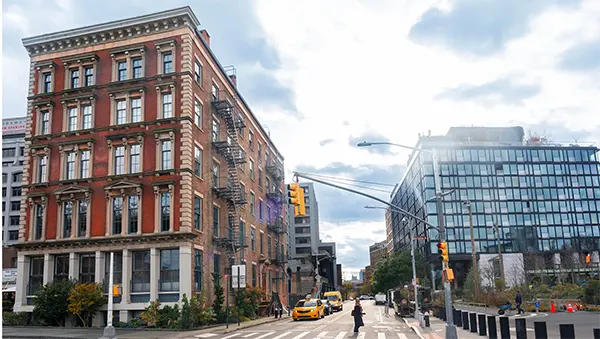
Online research provides data about noise conditions – Maps, transit routes, and construction plans are sources of information about future noise.
Planned developments or road projects are indicators that an area will become louder.
Tenant reviews are sources of information about common noise complaints. Repeated comments about traffic or poor insulation are signs of persistent problems. Combining research with visits allows renters to make better decisions.
Making a Final Decision
Observation of street noise is a process that requires patience. Noise levels are important for relaxation and work routines. An apartment is uncomfortable if outdoor sound is constant, even if the unit is attractive.
Renters are more likely to find a quiet home when they inspect streets, visit at various times, and check windows. Identifying the sound conditions ensures that the apartment is a peaceful residence.
Conclusion
Potential tenants are responsible for identifying street noise before they go ahead and sign a rental agreement, as sound levels alter during different hours. One visit is often not enough to fully understand the environment.
People are able to see how sound affects a home when they look at the local streets, the building materials, and the activities in the neighborhood.
Detailed information is available when a person visits the property, examines the construction, and researches the local area – these actions are helpful to avoid homes that are loud or distracting – this process ensures that an apartment is suitable for sleep, professional tasks, and physical ease.
FAQs