The Ultimate Guide to Turning Old Computer Parts Into Cash
Jump To Key Section
- Assess the Value of Your Old Computer Parts
- Understand Which Components Sell Fast
- Choose the Right Platform to Sell
- Create Listings That Attract Serious Buyers
- Prepare Parts for Safe and Secure Shipping
- Bundle or Part Out for Maximum Profit
- Avoid Common Mistakes That Cut Into Profits
- Explore Alternative Ways to Monetize Old Hardware
- Conclusion
- FAQs
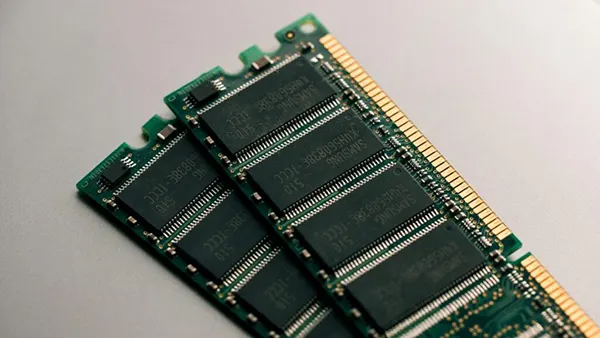
Every time you upgrade your computer, the old parts often get pushed aside or forgotten. A graphics card gets replaced, extra memory sticks get stored away, and an old motherboard ends up in a box “just in case.”
Over time, this pile-up begins to feel like clutter, ignoring the fact that these old computers have a solid demand in the market where they can get you easy money.
Gamers, repair technicians, hobby builders, and budget-conscious buyers actively search for affordable hardware.
Turning old computer parts into cash is not complicated. It does require a bit of strategy. The key is to approach the process with clarity and purpose instead of guessing your way through it.
Key Takeaways
- Understanding how to assess the value of your old computer parts
- Building an explanation of which components sell fast
- Exploring how to choose the right platform to sell
- Drawing a bundle or part out for maximum profit
Assess the Value of Your Old Computer Parts
Here is how to start :
- Start with a complete inventory.
- Lay out each component and identify the exact model numbers.
- Look at the CPU, GPU, RAM, storage drives, motherboard, and power supply. Accuracy matters here.
- Buyers search for specific chipsets, clock speeds, and storage capacities, so vague descriptions will not help.
Next, consider the age and condition of each part. A three-year-old graphics card in excellent condition can still command a fair price. A ten-year-old hard drive with heavy use will likely attract minimal interest.
Also, do not forget to check for visible wear, missing accessories, and any performance issues. Honesty about the condition protects your reputation and saves time later.
Understand Which Components Sell Fast
Certain components consistently attract buyers.
For example :
- Memory modules
- mid-range graphics cards
- solid-state drives
- Popular CPUs tend to move quickly.
These parts are easy upgrades for people looking to extend the life of older systems without investing in brand-new builds.
RAM is especially appealing because it is simple to install and delivers noticeable performance improvements.
You can sell RAM to gamers, repair shops, and refurbishers who constantly need affordable memory upgrades for older desktop systems.
Pro Tip: Detailed labelling of capacity, speed, and compatibility reassures buyers and reduces unnecessary questions.
Graphics cards also hold value, particularly models that still support modern games at reasonable settings. SSDs attract attention because faster storage improves system responsiveness. CPUs remain desirable when they fit widely used motherboard sockets.
Choose the Right Platform to Sell
Selecting the right platform influences how quickly your parts sell and how much profit you keep.
On one hand, large online marketplaces offer broad exposure and steady traffic. On the other hand, Tech-focused communities often attract more knowledgeable buyers who appreciate detailed listings.
Local platforms work well for bulky items such as cases or complete systems. Shipping large hardware can cut into profits, so local pickup reduces costs and risk. A slightly higher asking price may be necessary to protect your margin.
Create Listings That Attract Serious Buyers
Strong listings build trust.
Start with a clear title that includes the full model name and key specifications. Buyers often scan, so clarity helps your listing stand out. Descriptions should cover condition, testing status, and any included accessories.
Mention if the component was lightly used, pulled from a working system, or recently cleaned. Transparency reduces hesitation.
Photos matter just as much as text. Therefore, do not forget to use good lighting and capture multiple angles.
Close-up shots of connectors and labels help buyers verify authenticity. Pricing should reflect your earlier research. Competitive pricing encourages serious inquiries rather than lowball offers.
Prepare Parts for Safe and Secure Shipping
Careful packaging protects both your hardware and your reputation.
Even sensitive components such as RAM and motherboards require anti-static bags. Bubble wrap or padded materials cushion items during transit.
Before shipping storage devices, wipe all personal data securely.
Data privacy is essential, and buyers expect clean drives. Seal packagescan even tightly and use sturdy boxes.
Reliable shipping practices lead to positive feedback. Positive feedback supports future sales and strengthens your presence in the marketplace.
Bundle or Part Out for Maximum Profit
Selling strategy plays a major role in how much you ultimately earn.
This is why some systems generate better returns when broken down into individual components. While others attract more interest when sold as a functional bundle.
Start by comparing the total value of each part on its own. A popular graphics card or processor may command a strong standalone price.
Further, lower-demand components, such as older cases or basic power supplies, may struggle to sell individually.
Even bundles make sense when parts naturally complement each other.
A motherboard and compatible CPU packaged together can save buyers time and reduce compatibility concerns. Memory kits also perform well as matched sets rather than separate sticks.
Avoid Common Mistakes That Cut Into Profits
Overestimating value is one of the most common errors.
Incomplete descriptions also create problems.
Buyers want specifics, including model numbers, clock speeds, storage type, and condition details.
In such cases, Missing information leads to hesitation or constant follow-up questions. Testing should never be skipped.
Confirm that components function properly before listing them. A faulty part returned after shipment costs time, money, and credibility.
Shipping expenses can quietly eat into profit. Weigh items in advance and calculate realistic postage costs. Factor in platform fees so you understand your true net return.
Explore Alternative Ways to Monetize Old Hardware
Online marketplaces are not your only option. Local repair shops often purchase working components, especially RAM, storage drives, and compatible CPUs.
Bulk deals may even produce quicker payouts with less effort.
Electronics stores sometimes offer trade-in programs. Store credit may not equal cash value, but it can offset the cost of new upgrades.
As a result, Community networks also present opportunities.
Further, Schools, nonprofits, and small businesses frequently look for affordable systems. A well-maintained older computer can still handle everyday tasks such as browsing, word processing, and light productivity work.
Old computer parts do not have to sit idle in storage.
Demand exists for reliable, affordable hardware, especially among budget-focused buyers and repair professionals. Clear evaluation, smart platform selection, and professional presentation make a measurable difference in results.
A structured plan keeps the process straightforward. Assess value carefully, focus on high-demand components, choose the right selling channels, and protect your reputation with honest listings and secure shipping.
Even Strategic bundling and awareness of common pitfalls further strengthen your position.
Conclusion
Turing old computer parts into cash is a practical way to declutter your space while recovering value from unused technology. Whether you sell them, trade them or recycle responsibly, the options are endless.
With the right approach, outdated hardware can become a valuable source of income rather than electronic waste.
FAQs