How Social Media Trends Turn Football Headlines Into Entertainment
Jump To Key Section

Football fans are crazy. They want a second-by-second update about the game. But how they do that has drastically changed over time. The earlier transition was from TVs to online media, but at the moment, even that has gone obsolete.
The current crop of football fans prefers social platforms to discuss things around the game. As per The Financial Express, over 60% football fans under 30 turn to social media first for match-related content rather than official league channels. In addition to being rapid, it also gives an emotional context to the discussion. You get to know how people are feeling about the update.
Social platforms allow democratic broadcasting of opinions and analysis, most of the time with a pinch of humour. This was never possible with traditional media.
In this article, I’ll tell you about how football updates are taken by fans, and scrupulous discussions on social media make them trend on the platforms. The following sections discuss how events quickly turn into shareable content with proper narratives. These are usually humorous memes that give a deeper context to the headlines.
KEY TAKEAWAYS
- Traditional sources of football news don’t interest the fans anymore.
- People rather like to munch on derivative content on social media.
- Social platforms give everyone the power to broadcast their ideas and commentary around those headlines.
- Content creators and memers turn those headlines into short-form, engaging, and shareable content.
How Manchester United News Became Shareable Content
It was big news when Ruben Amorim stepped down as the coach of Manchester United. Afterwards, the interim coach, Michael Carrick, gave a new direction to the team.
Early victories against Manchester City and Arsenal shifted the tone about the club. Meanwhile, attention turned toward players on loan. Marcus Rashford became central to that discussion since his spell at Barcelona raised questions about his long-term place.
Many discussions framed Rashford fresh start as a decisive return, while others questioned whether he would even want to come back. Some users pointed to his past issues with previous managers, while others argued that Carrick’s arrival could change that dynamic. Carrick’s connection with former teammates added another angle, since fans debated how he might handle returning players.
This steady stream of updates kept the story active, while each detail pushed new reactions across various social media platforms.
Why Football Stories Spread So Quickly Online
People around the globe are fond of the sport of football. Small news reaches a large audience in seconds. Social platforms with the sharing of related short-form content play a big part in this. Stories gain traction when they involve change, uncertainty, or strong emotion.
Transfer rumours, injuries, and managerial shifts often drive this process, since they suggest future outcomes. Cristiano Ronaldo’s return to Manchester United created global discussion, while Lionel Messi’s move to Inter Miami sparked wide attention. These moments carried significance beyond results on the pitch, while fans analysed every detail.
Social media algorithms favour content that sparks reactions, so bold claims rise quickly. Short posts often travel further, while deeper analysis circulates among smaller groups. This balance shapes how football narratives grow online.
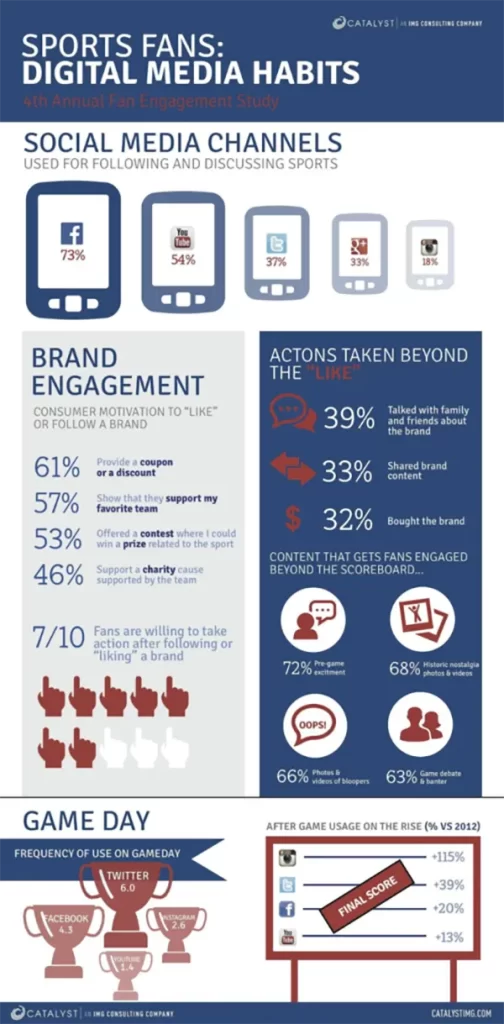
The following infographic lists some relevant stats around sports fans’ social platform use:
How Fans Turn Headlines Into Narratives
Any supporter can spin a narrative with a unique angle around player or club news. Through social platforms, he can effectively broadcast that as well.
A single headline can lead to multiple interpretations, each shaped by expectation and past events. These narratives influence perception even before matches take place.
Kylian Mbappe’s future often generates speculation, since each update invites new interpretations. Jude Bellingham’s rise at Real Madrid gained strong attention, while fans framed him as a central figure in a new era. These stories develop through constant discussion, which builds shared understanding among audiences.
Rashford’s situation reflects a similar process, since his career includes both success and scrutiny. Different viewpoints are spread through posts and clips, which form a wider narrative.
The Role of Humour and Memes in Football Coverage
Wrapping any story with humour makes it easily digestible to many. As a result, football memes spread far and wide, getting all kinds of reactions from the audience.
A serious headline can shift into a humorous post within minutes, which increases visibility. This approach keeps stories active across different groups.
Clubs with inconsistent results often become frequent subjects, since unpredictability invites creative content. Manchester United has appeared in many posts, while comparisons between eras add another layer. Carrick’s early results inspired both praise and playful exaggeration.
Players also feature in this space, since their performances create recognisable patterns. While his role sparked both criticism and support, Harry Maguire has appeared in many discussions.
When Football Trends Reflect Deeper Conversations
Social media trends often arise from discussions by fans on football headlines. These usually lead to public commentary on performance and expectations from individual players or clubs.
Players become symbols of larger ideas, such as leadership or development. These themes add depth, while audiences engage with concepts beyond match outcomes.
Mbappe’s contract decisions raised questions about ambition and timing, while debates extended across platforms. Messi’s move to the United States brought discussion about legacy and global influence. These stories show how football connects with wider ideas through digital platforms.
Rashford’s journey also reflects this pattern, since it involves adaptation and pressure. His potential return creates debate about opportunity and consistency, while fans analyse his role.
How Social Media Shapes the Meaning of Football Headlines
Football headlines can turn into anything once they get into the hands of social media users and memers. People indulge in layered discussions from different angles, while memers use it as inspiration for humorous content. This process turns information into shared content while guiding public perception.
Stories about players like Rashford show how quickly narratives shift, while engagement remains high. Manager changes, player transfers, and performances all contribute to this cycle. Social media acts as a stage where football stories continue to develop after publication.
This interaction between news and audience explains how football headlines transform into entertainment. Social media trends guide how stories spread, while fans influence how they are understood.
FAQs